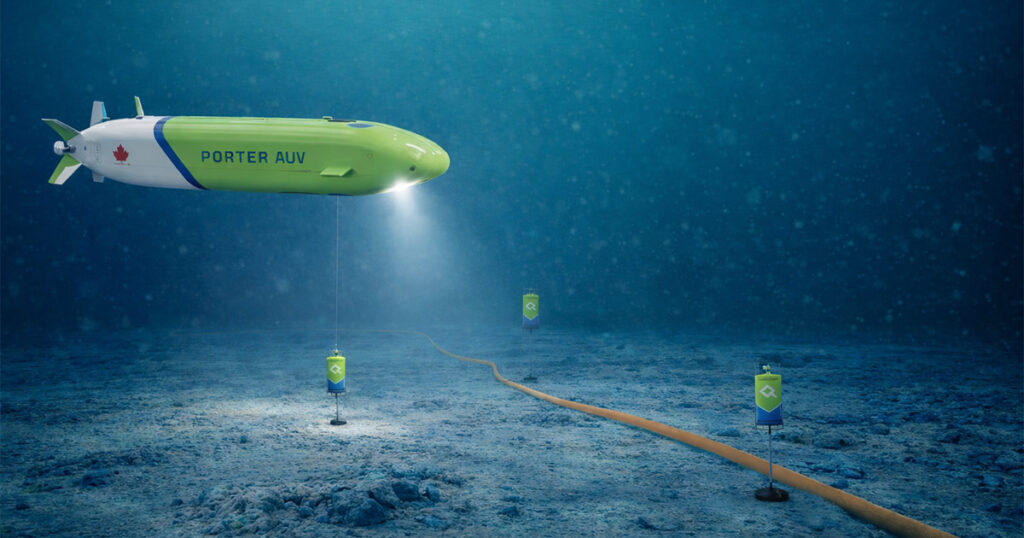
Today, debates continue regarding the proper role and optimal acquisition strategies for unmanned surface vessels (USVs) and unmanned underwater vehicles (UUVs). The US Navy has already conducted multiple USV integration tests, including with USV Ranger and Saildrones. These vessels offer an opportunity to significantly augment US power-projection forces at a time when the fleet is shrinking as the Navy phases out older platforms. Additionally, USVs and UUVs could play a vital role in challenging Chinese presence in the South China Sea, offering a low-risk alternative for power projection and maritime domain awareness within Beijing’s extensive weapons engagement zone.
INTEGRATION CHALLENGES
Nevertheless, the US Navy and its industry partners must overcome several challenges before America’s sailors can fully reap the benefits of autonomous vessels. Simply put, revolutionary technologies offer little combat power if not accompanied by new doctrine, tactics, and training. American warfighters, moreover, are unlikely to trust unproven systems without thorough testing and exercises, especially when their lives are at risk.
Such challenges are not new. During the 1930s, naval leaders in the US, the UK, and Japan each faced difficulties—to varying degrees—in adopting carrier aviation and redefining their operational concepts for carrier-centric warfare. Although many aviators had ambitious ideas as to what their planes could do in the maritime domain, this technology could not be immediately embraced. As historian Geoffrey Till notes in Military Innovation in the Interwar Period, it took the “constant tinkering” of the carrier and its planes, in incremental steps, for them to become the centerpiece of the modern fleet by the end of World War II.
COOPERATION IS KEY
The US Navy, to its credit, mostly succeeded in adopting and integrating carrier innovation as America’s early naval aviators had the resources and autonomy to quickly develop, test, and refine their equipment and doctrine. The Navy’s Bureau of Aeronautics and champions like its first Chief Admiral William Moffett helped integrate these technical breakthroughs into America’s national defense strategy through their connections with industry, Congress, and the Office of the President. The US was able to win the Pacific War in part because the foundations it laid through the carrier development process maximized its operational value to combat Japan’s own carrier forces.
To once again foster such an environment, America must strengthen cooperation among academia, industry, and the military to develop strategies for integrating autonomous vessels into naval warfighting. Leveraging its ability to convene, the Center for Maritime Strategy, along with its parent organization, the Navy League of the United States, can play a crucial role in nurturing these connections.
One important platform for this is the Sea-Air-Space Exposition: the nation’s leading event where policy makers, industry leaders, and military officials gather to discuss innovative technology in the maritime domain. Through these events, the US can unite defense and industry leaders to successfully develop and integrate the next generation of technologies in the fleet, ensuring American warfighters maintain a qualitative advantage amidst the shifting character of naval warfare.
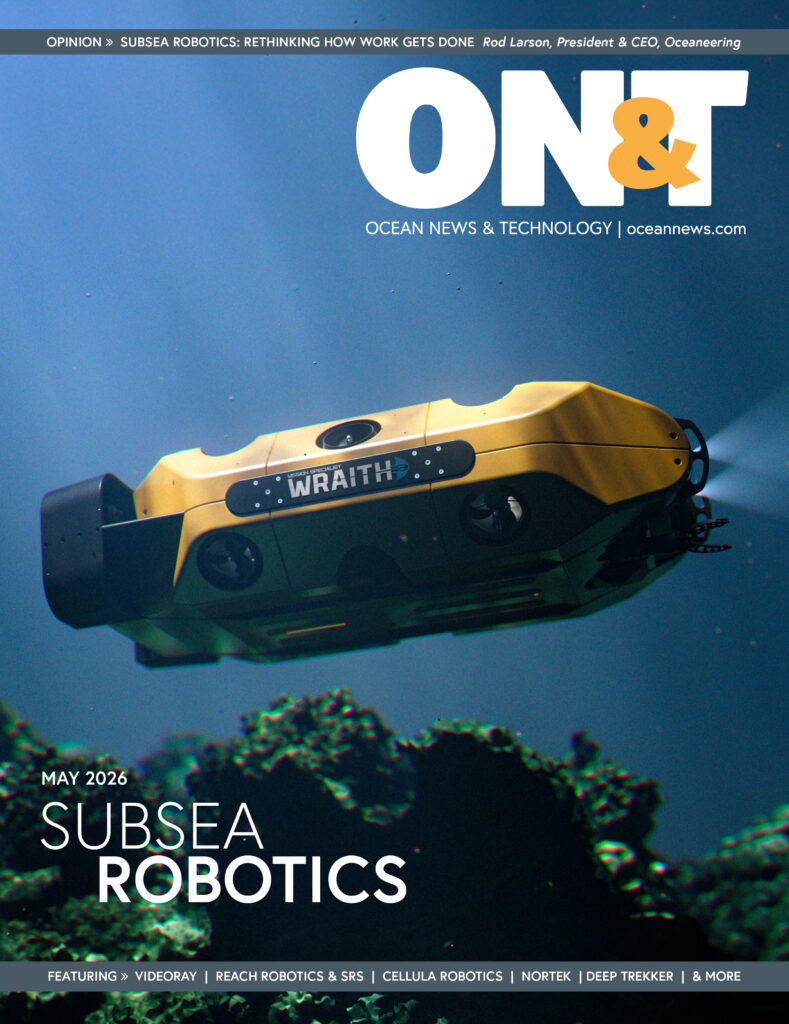
This spotlight appeared in ON&T Magazine’s 2026 January Special Edition, The Future of Ocean Technology Vol. 6, to read more access the magazine here.