
The investment required for an analytical scope is small compared to the cost of committing to the wrong approach. In many cases, saving just a single day offshore can more than offset the cost of the study many times over—and in the best cases, early analysis studies have delivered returns tens or even hundreds of times their original cost.
The Early Bird Catches the Worm
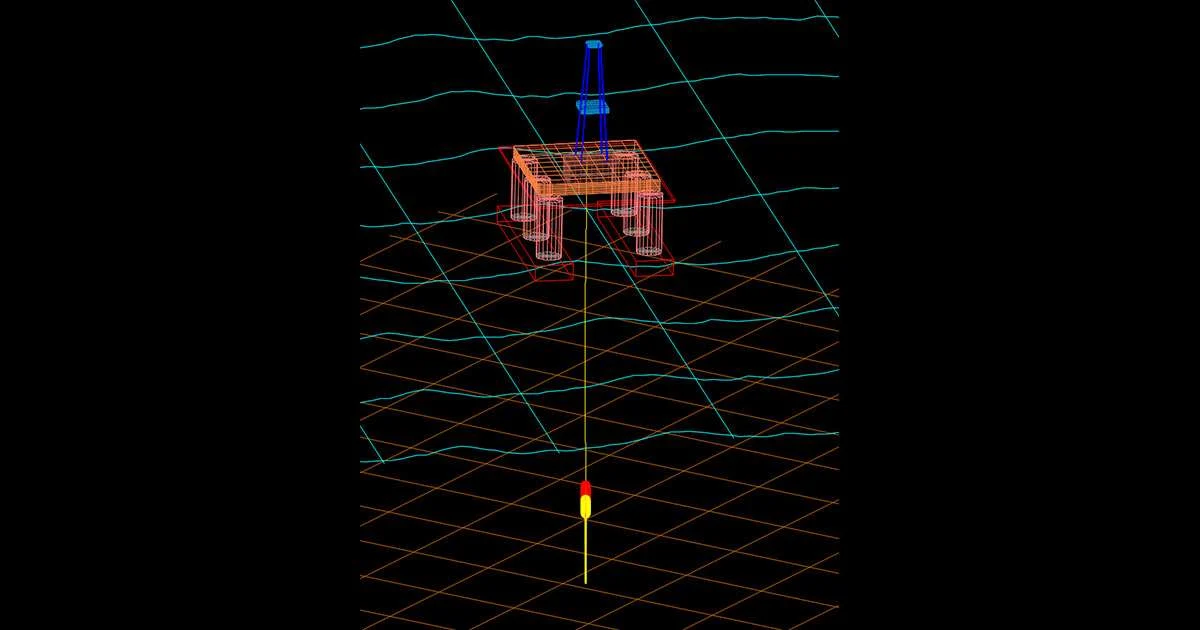
In this context, offshore analysis means turning data about wells, structures, and environments into actionable insight for better decision making. Increasingly, that means using digital modeling and simulation to test how assets behave under different conditions before work commences. Vessel response, fatigue, metocean conditions, structural capacity, and operating limits can all be assessed in far greater detail, helping teams understand what is genuinely required and where there may be room to simplify.
Of course, offshore projects don’t lend themselves to off-the-shelf answers. Each field, rig, and environment brings its own challenges, so it’s never just cranking the handle on a standard template. It’s about shaping each scope to the realities of the project.
What is striking is how often we see equipment specified conservatively, operating limits carried forward, and activities built into campaigns because that is how they have been done before. The tools now exist to challenge those assumptions with evidence and, in many cases, remove cost and complexity. In the past many offshore decisions, particularly in oil and gas, were made on sound engineering judgement alone. Without the foresight provided by detailed early analysis, however, some viable alternatives were simply not visible. We saw this firsthand in the North Sea, working with an operator who was preparing for a major structural retrofit on the conductor guides of a platform—a job expected to cost almost $6.8 million with significant complexity to its delivery.
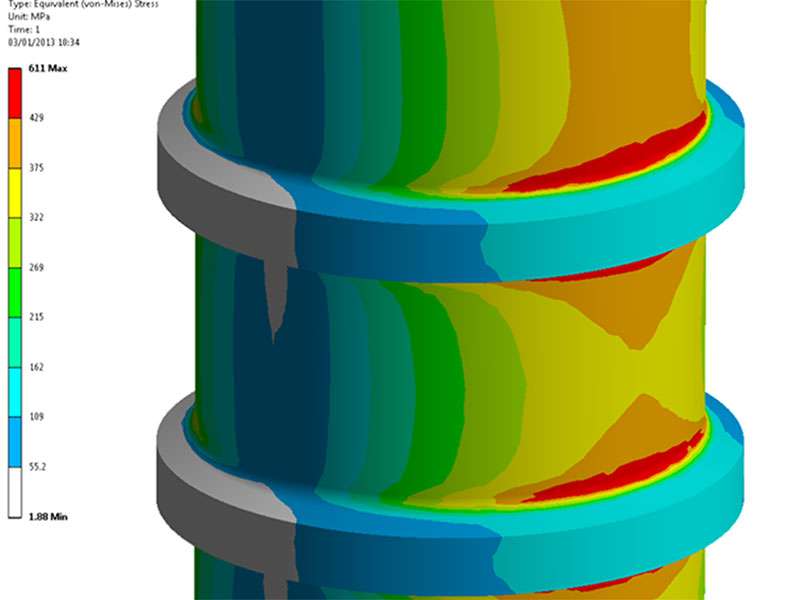
In this case, digital modeling of the load case and conductor response revealed an alternative approach: using a thicker wall conductor that could safely take the load and eliminate the need for the retrofit entirely. That change in approach cost the operator about £50,000 in extra conductor steel, and the analysis that uncovered it was a fraction of that again—yet together, they delivered an enormous return on investment, avoiding a spend over a hundred-times-larger.
Consistency is Key
It is true that the earlier this work is carried out the better, but it shouldn’t be viewed as a one and done consideration. Even after an initial path is chosen, consistent application of analysis ensures ongoing decisions are made with the maximum level of insight.
We saw this firsthand in a North Sea plug and abandonment campaign, where the operator’s original plan assumed every well in the sequence would require subsea BOP tethering—a cautious approach that locked in weeks of unnecessary rig time. By digitally modelling the wells against the relevant operating conditions, the analysis challenged that assumption and demonstrated that several could run safely without tethers. With that knowledge, the sequence was reshaped, wells were re-ordered, redundant operations removed, and the campaign was streamlined—with savings running into the millions.
That campaign also showed that the strongest results come from analysis teams who combine technical rigor with practical understanding of delivery. When teams understand how equipment is designed, installed, and operated, they can challenge assumptions and highlight more effective options, helping operators optimize project performance.
That delivery awareness can also mean recognizing that the neatest design on paper may not be the best in practice. A slightly different configuration can save time and reduce bottlenecks, even if it appears less efficient in isolation.
Beyond the End of Life
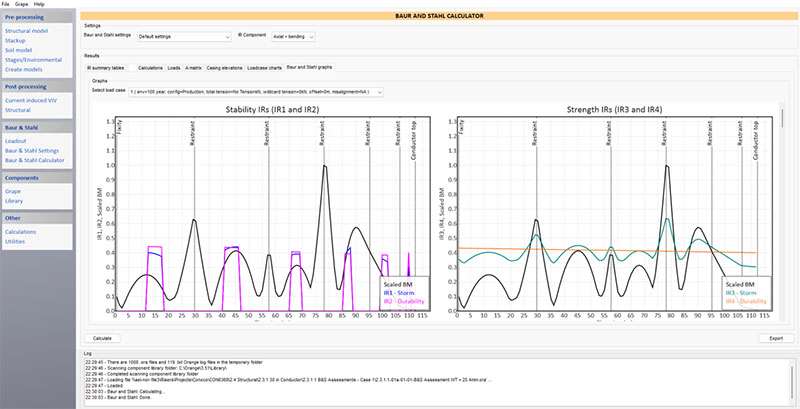
That same depth of understanding also matters when assets reach what was assumed to be the end of their life. Platforms and wells are designed with a calendar end of life date, but analysis can test whether those limits are real. By assessing fatigue life, structural strength, corrosion, and performance under local metocean conditions, it becomes possible to determine if an asset can continue to operate safely beyond its initially planned lifespan.
Sometimes, if the analysis is favorable, the outcome is life extension. In one example, we’ve seen the conductors of a major platform thought to be nearing retirement proven to have another ten years of safe operation ahead, deferring removal and unlocking another more decade of value.
Another outcome is the potential to repurpose offshore structures for entirely new applications. In Denmark’s Project Greensand, we have worked with INEOS to use digital structural and integrity analysis to demonstrate that existing oil and gas infrastructure is suitable for CO2 injection. This offers a path to extending asset life and value, while also giving regulators and stakeholders the confidence that these assets can play a new role in the energy transition. As the industry moves further towards transition, analysis will have a central role to play in determining whether infrastructure should be retired, replaced, or adapted for renewable and transitional purposes.
Smarter Choices at Every Stage
The lesson is clear: offshore analysis consistently pays for itself many times over, whether the goal is short-term efficiency or long-term transition. The depth of digital tools, modeling, simulation, and data available makes this an example of digitalization that has proved its value beyond question but there is still value being left on the table when it is not brought into projects early enough or used consistently.
Whether the priority is more efficient production, lower-cost decommissioning, life extension, or adapting infrastructure for new uses such as CO2 storage, digital tools are already available to challenge assumptions and make better decisions before cost reaches the offshore phase.