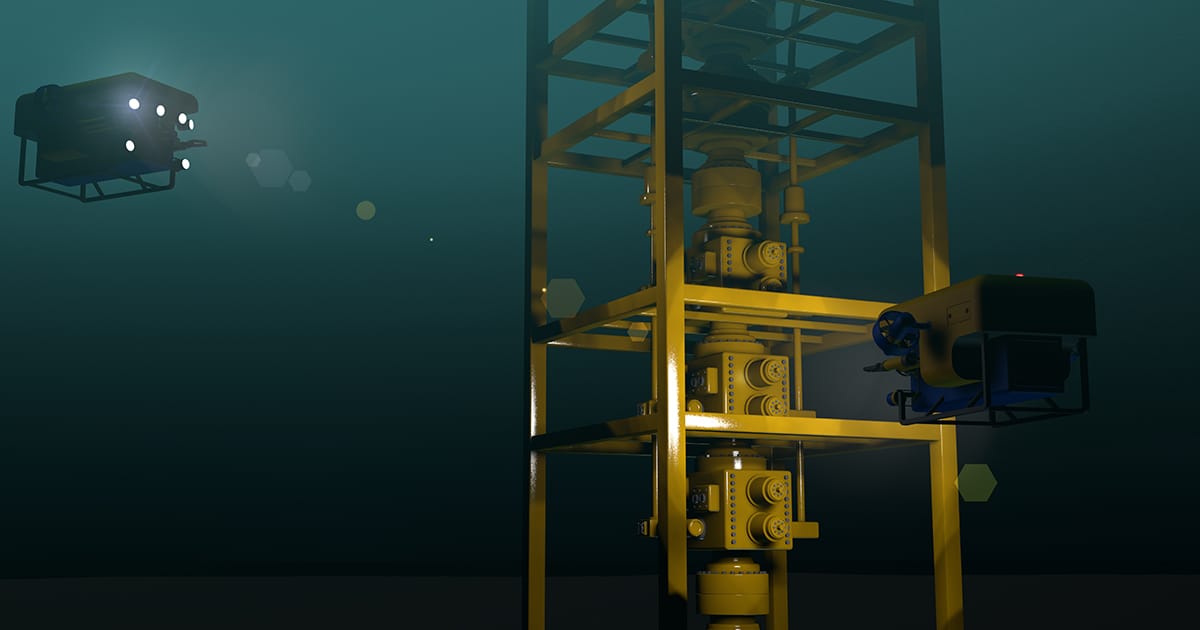
The integration of resident robotics and multi-domain systems that combine USV and AUV capabilities has dramatically improved workplace safety and operational efficiency. These systems now handle hazardous underwater inspections, maintenance tasks, and data collection, significantly reducing human exposure to dangerous environments. This shift emphasizes the critical need for a workforce equipped with new skillsets that blend traditional maritime knowledge with technological expertise.

PROFESSIONAL DEVELOPMENT
As the industry evolves, we’re seeing the emergence of specialized training pro- grams and micro credentials designed to meet these new demands. Unlike aviation’s structured regulatory framework with FAA Part 107, the maritime autonomous sector has not developed certification standards. This presents both challenges and opportunities for establishing comprehensive training protocols for pilots and operators.
Organizations like the Marine Technology Society (MTS) are leading the charge in professional development, with its UMS Committee setting ambitious goals for 2025 to advance industry standards and workforce development initiatives. Pro- grams like the MATE ROV Competition continue to inspire the next generation of maritime technologists, providing crucial hands-on experience with real-world applications of UMS technology. Events such as Ocean Business, which offers free student attendance, create valuable networking and learning opportunities for aspiring professionals, helping bridge the gap between education and industry needs.
SKILLS-BASED TRAINING
The workforce requirements now extend beyond traditional maritime skills and small vessel operations to include expertise in collaborative autonomy, mission planning, and system integration. Community colleges are responding to this need, with institutions like Mississippi Gulf Coast Community College offering specialized programs in Unmanned Maritime Systems Technology. These programs cover essential aspects from operational procedures to vessel deployment and recovery, often incorporating practical training with industry-standard equipment.
As the International Maritime Organization’s Maritime Safety Committee continues to analyze and develop regulations for Maritime Autonomous Surface Ships (MASS), the industry must remain agile in its approach to training and certification. The emphasis on internships and hands-on experience has become increasingly important, providing students with practical exposure to emerging technologies and operational procedures.
FUTURE FOCUS
Looking ahead, the success of UMS integration will depend largely on our ability to develop a skilled workforce capable of operating, maintaining, and advancing these systems. The focus must remain on creating accessible educational pathways through certificate programs, industry partnerships, and practical training opportunities that prepare workers for the complex challenges of tomorrow’s maritime industry.
Visit mtsociety.org to learn more about MTS initiatives including the Uncrewed Maritime Systems Committee, micro- credential offerings, and the MATE ROV Competition.