
Today, the most meaningful opportunity in subsea is not about going deeper or building larger vessels. It is about fundamentally changing how work gets done and designing operating models that can scale safely, sustainably, and predictably over the long term. At Oceaneering, our subsea strategy is centered on three interconnected capabilities: remote operations, autonomy, and long‑duration subsea residency.
Remote Operations
Remote operations are already reshaping subsea execution. Advances in connectivity now allow robotic systems and tools to be piloted and monitored from onshore locations, even while they operate thousands of feet below the surface and miles offshore. This shift reduces the number of people required offshore, improves safety by limiting exposure to harsh environments, and lowers emissions associated with travel and logistics. In many regions, remote operations have progressed beyond pilot programs and are becoming part of standard project planning.
Advancing Autonomy
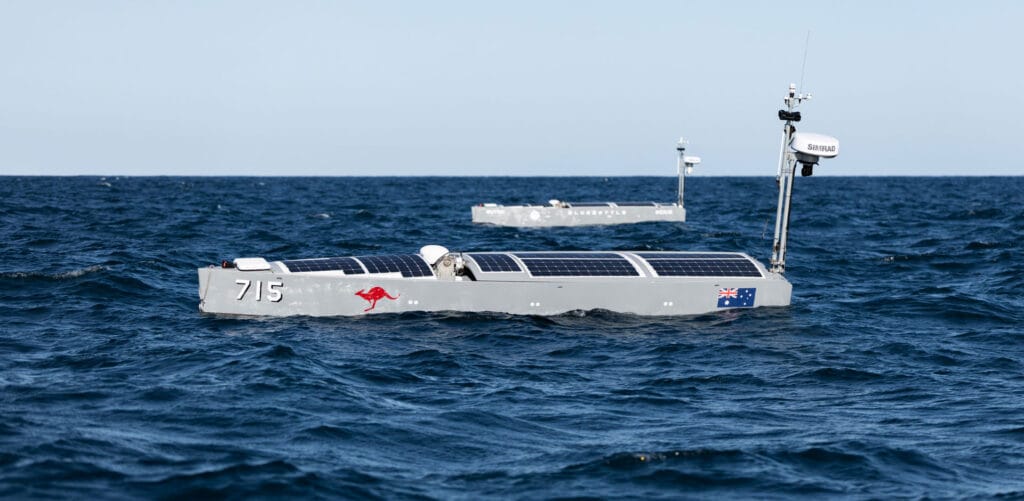
Autonomy builds on that foundation. While complex and non‑repeatable tasks will continue to rely on human judgment, subsea activities such as inspections, surveys, and condition monitoring are well suited for automated execution. Autonomous systems can follow predefined routes, collect consistent data, and deliver actionable insights with minimal intervention. This enables faster execution over time, offers more predictable outcomes, and uses our skilled personnel more effectively.
Autonomy also changes how offshore assets work together. Rather than dedicating a vessel to a single task, operators can increasingly execute parallel activities, such as using autonomous vehicles to perform inspections or surveys while ROV systems support installation or intervention tasks. These mixed‑fleet, simultaneous operations allow operators to extract more value from the same marine spread, reduce schedule risk, and make subsea campaigns more efficient. As autonomous systems mature, this approach will become a defining characteristic of modern offshore execution.
Realizing Subsea Residency
The next step in this evolution is subsea residency. Most subsea vehicles are designed and built for short deployments, requiring frequent recovery for routine maintenance. We see more demand for systems that can remain subsea longer, supported by subsea charging, communications, and design reliability. Resident systems reduce vessel dependency and enable a proactive, risk‑based approach to asset monitoring and maintenance.
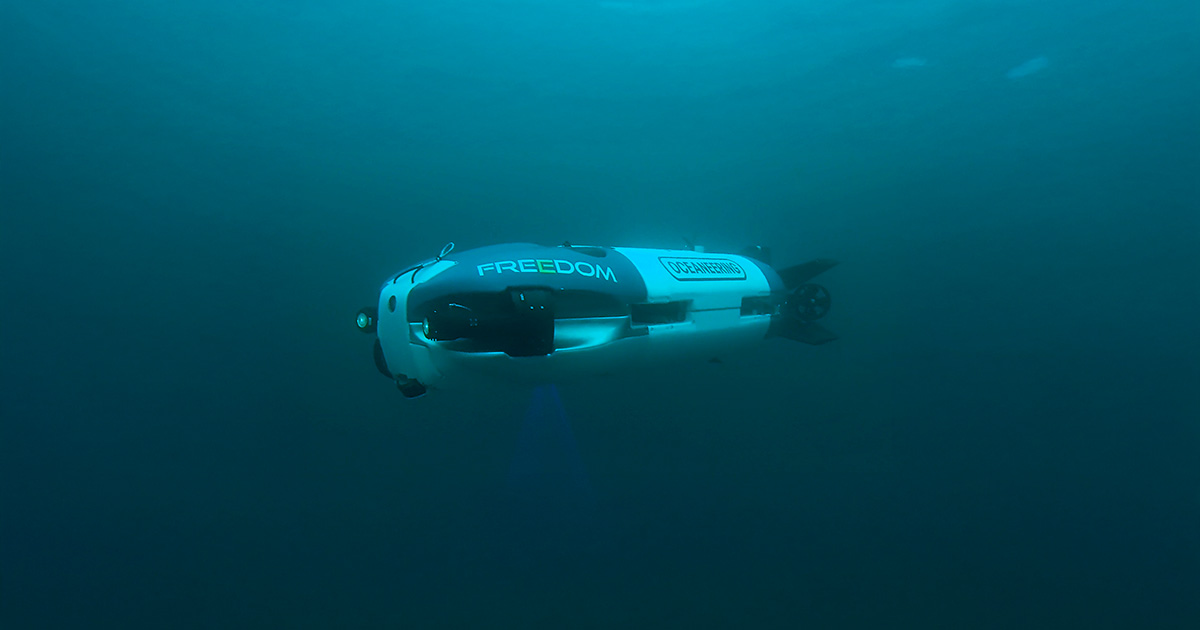
With semi resident platforms like Liberty™ Resident System already operating in the field and autonomous systems such as Freedom™ AUV expanding what is possible subsea, these technologies form a practical set of building blocks for the new subsea normal.
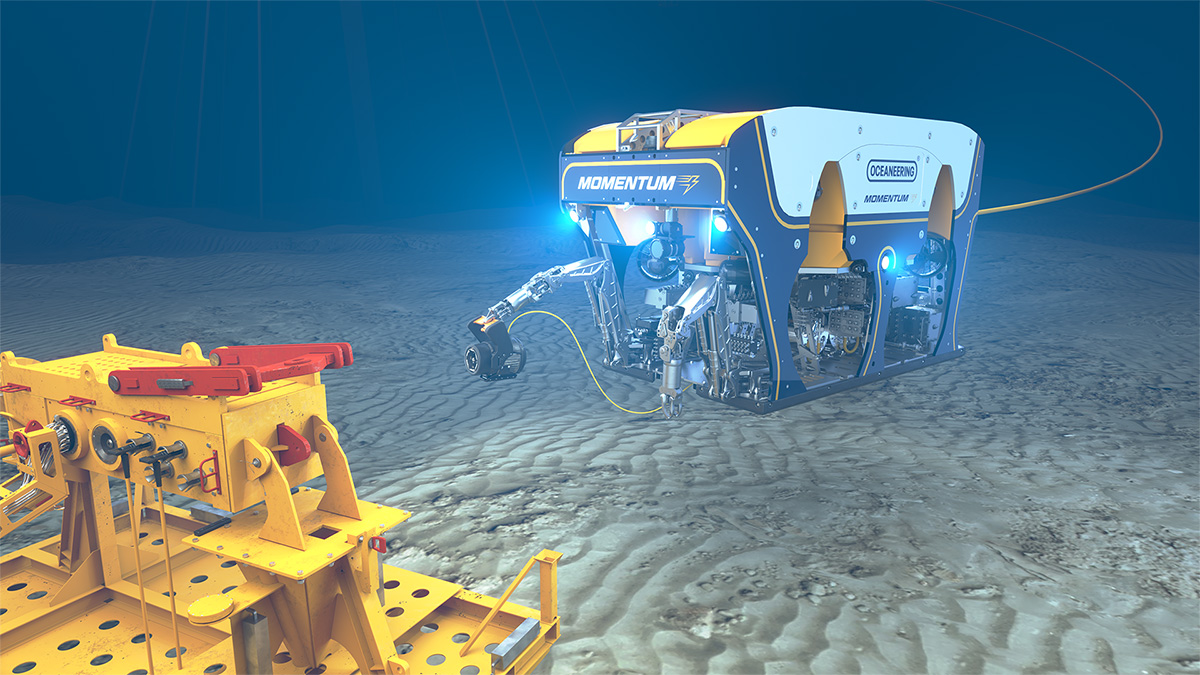
Reflecting this new design philosophy, our Momentum ™ Electric ROV was designed for extended subsea endurance, greater reliability, and integration with future resident and remote operations. By incorporating electric subsystems and simplifying maintenance‑intensive components, Momentum extends operational intervals while maintaining the performance operators expect from work class vehicles. Importantly, it is designed to be backwards compatible with our existing Millennium® ROV fleet infrastructure.
Collaboration as a Catalyst
Technology alone will not drive transformation. The way subsea data is captured, managed, and applied will determine how far autonomy and residency can go. Subsea operations generate vast amounts of information, yet traditional workflows often limit the ability to use that data to improve performance over time. Unlocking the next phase of capability will require thoughtful collaboration across the industry, aligning commercial frameworks with modern digital execution.
As offshore energy evolves and new ocean industries expand, success will favor operators who reduce complexity, move people away from risk, and make smarter use of robotics and data. At Oceaneering, we see remote operations, autonomy, and residency not as future concepts, but as practical capabilities already reshaping how subsea work is performed. oceaneering.com