The project aligns closely with the President’s January 20 Executive Order, “Declaring a National Energy Emergency.” In that order, President Trump underscored the US’s need to develop, “a reliable, diversified, and affordable supply of energy,” to drive defense, manufacturing, and agriculture, along with the basics of everyday life. Among the viable energy resources listed in the order was “the kinetic movement of flowing water,”—which ORPC technology captures to generate power. ORPC’s development efforts come at a time of diminishing returns from Alaska’s oil and gas reserves and rising energy prices for Alaska consumers.
“Harnessing the power of Cook Inlet aligns with Alaska’s vision for its energy future,” said ORPC President & CEO Stuart Davies. “We’re thrilled with the enthusiastic response and support received from Kenai Peninsula stakeholders and the state as a whole, and look forward to continued work in partnership with them.”
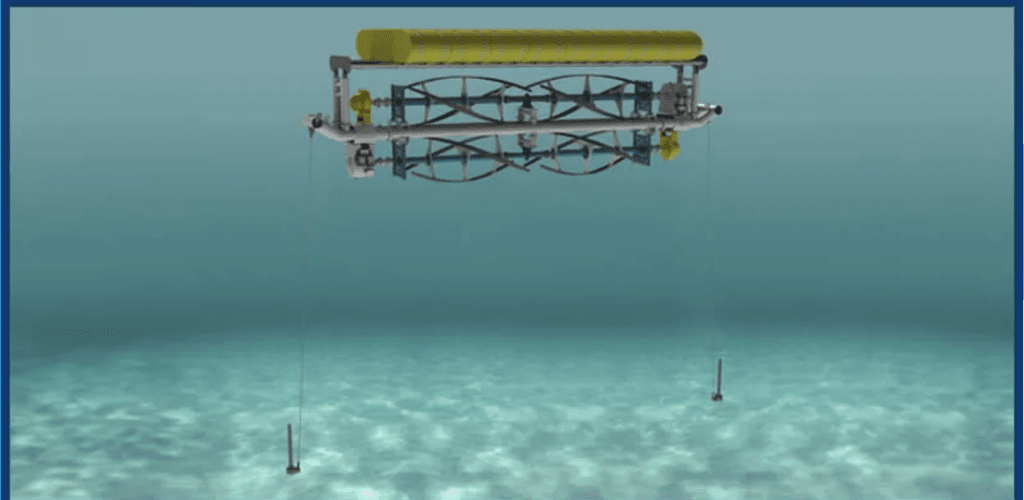
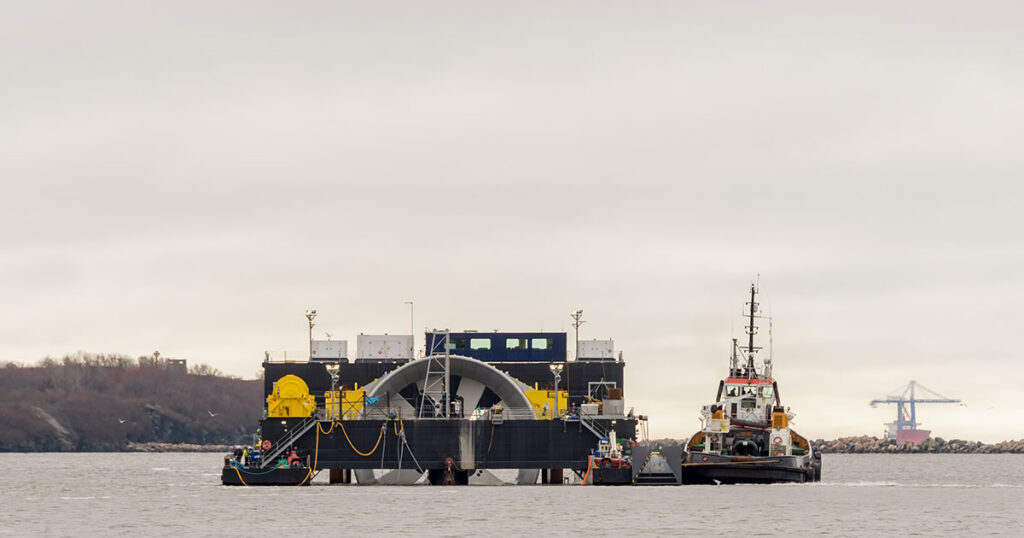
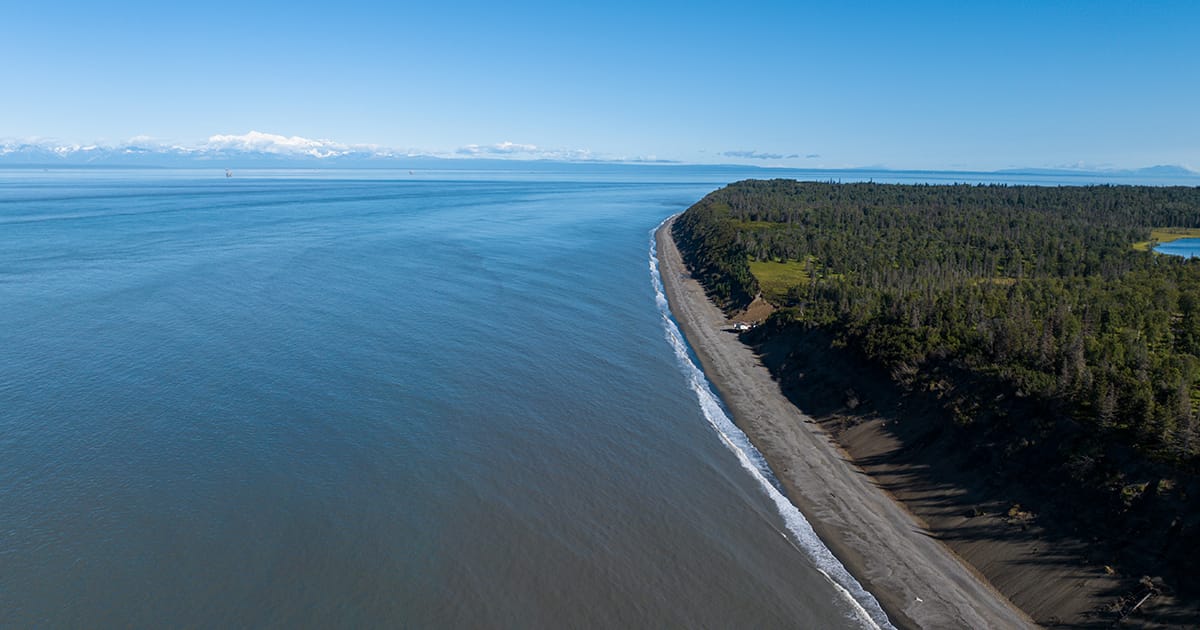
Under a FERC preliminary permit issued in 2021, ORPC has been studying the East Foreland site. Since 2024, under a competitively awarded Phase 1 grant from the Energy Department for the American Tidal Energy Project, the company has been assessing the feasibility of developing a tidal energy project to generate reliable, affordable local energy for the Kenai Peninsula. Following an independent technology selection process, ORPC proposes to deploy its TidGen® technology and Proteus Marine Renewable’s AR Series tidal turbine technology—each selected for its suitability in the Cook Inlet environment.

The draft license application submittal follows a period of extensive engagement with state and federal regulators around the design and siting of the project using an adaptive management approach ORPC has implemented for other licenses. The submittal also sets off a 30-to-60-day FERC review process and public comment period. The draft license application can be found on FERC’s e-Library.
ORPC is shortlisted for follow-on funding from the US Department of Energy’s Water Power Technologies Office totaling $29 million to continue its work as developer of the American Tidal Energy Project, with a decision expected in the next several months.
Further study and surveying of the East Foreland site will inform the final engineering work and subsequent submittal of a final pilot license application to FERC. Once the license is granted, it will mark ORPC’s second FERC pilot project license as a tidal energy project developer and technology provider.