
Between now and 2040, some 860 GW of solar PV will be installed, with a further 2,200 GW of additional solar and wind installed between 2040 and 2060.
From Fossil Giants to Renewables
Historically MENA’s contribution to the global energy system has been underpinned by oil and gas exports, which have also formed the backbone of domestic consumption.
Before 2020, it was those countries relying on fossil fuels from MENA that were forging ahead with new renewables development, determined to cut their dependence on fossil fuels from abroad.
This led to steep declines in the costs of solar, wind and battery technologies, which has driven wealthy petrostates to accelerate their renewable build-out.
Charting MENA’s Renewables
At the start of 2026, DNV released a study into the Rise of Renewables in the Gulf Region, setting out the drivers behind this shift and forecasts for future developments in the energy transition.
Based on our well-established Energy Transition Outlook model, four key themes emerged from our research, most notably of which is the magnitude of impending growth in MENA’s variable renewable electricity generation. Forecast to grow 14-fold by 2040, this will be driven by a tenfold expansion in renewable capacity, predominantly from solar PV.
At the same time, electricity demand is accelerating rapidly in line with the region’s bullish economic growth, with total demand across MENA projected to triple by 2060.
Unlike many global markets, the Gulf region’s relatively modern and robust electricity grid is a key strategic advantage rather than a hindrance. It means renewable expansion and rising demand are unlikely to face the immediate grid constraints seen elsewhere, most notably in Europe.
But despite the scale of renewable investment, the region’s power-sector transition unfolds later, with electricity demand growing faster than renewable supply, delaying the displacement of fossil-fired generation until after 2040.
Role for Offshore Renewables?
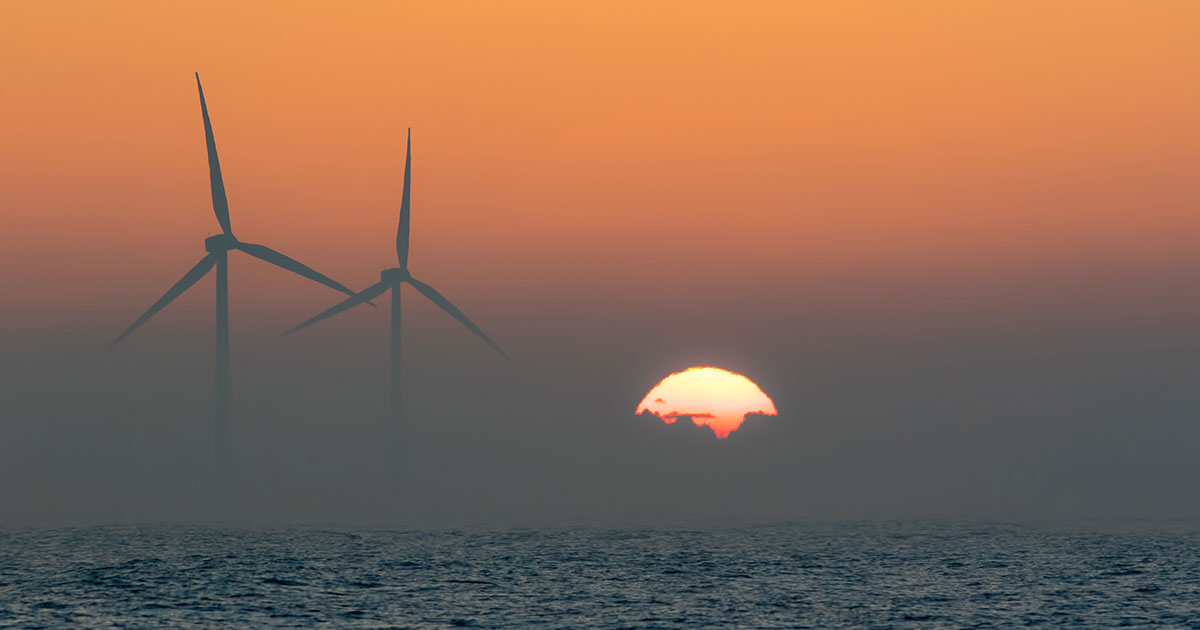
While solar power dominates the near-term, offshore renewables are being established as a strategic second pillar. Offshore wind deployment remains limited today, but this will change steadily from the early 2030s onwards, as experience deepens and costs fall.
At present, all installed wind capacity in MENA is onshore, the result of higher costs and limited local expertise, as well as more variable wind resources.
These constraints are gradually easing though, and, from the mid-2030s, offshore installations are forecast to account for around 10% of total installed wind capacity, spearheaded by Egypt and Oman where resource conditions and coastal geographies are most favorable.
Offshore wind, typically strongest at night and during seasonal periods, plays a complimentary role with solar. This balance reduces reliance on storage and dispatchable fossil generation, strengthening overall grid resilience as renewable penetration increases.
Emissions Shortfalls
Despite this near unmatched progress in expanding renewable electricity generation, the Middle East and North Africa are not on track to meet their overall emissions reduction targets. And for those nations that aren’t as resource or cash rich as the MENA region, this is a worrying illustration of just how challenging deep decarbonization will be.
This gap between ambitions and reality indicates that growth in renewables, while necessary, is not sufficient on its own to deliver economy-wide decarbonization.
Continued reliance on fossil fuels, rising energy demand and emissions from non-power sectors are offsetting gains made. Closing the emissions gap will require deeper structural reforms. dnv.com