SeaBot Maritime first received MCA voluntary recognition for the course in 2022, and this latest development reflects how the course continues to evolve in line with industry needs and updated regulatory guidance, with the Plymouth course now assessed and recognized against MGN 703.
This course, now available at the Marine Station on the shores of Plymouth Sound, delivers crucial training within a well-established environment for marine autonomy, where an active port and strong network of marine technology organizations provide a practical setting for learning.
MGN 703 sets out guidance on the training and competence required for remote operators working with remotely operated and autonomous vessels. As the use of these technologies develops, ensuring operators are trained to consistent standards is becoming increasingly important for safe operations and to build trust across the industry.
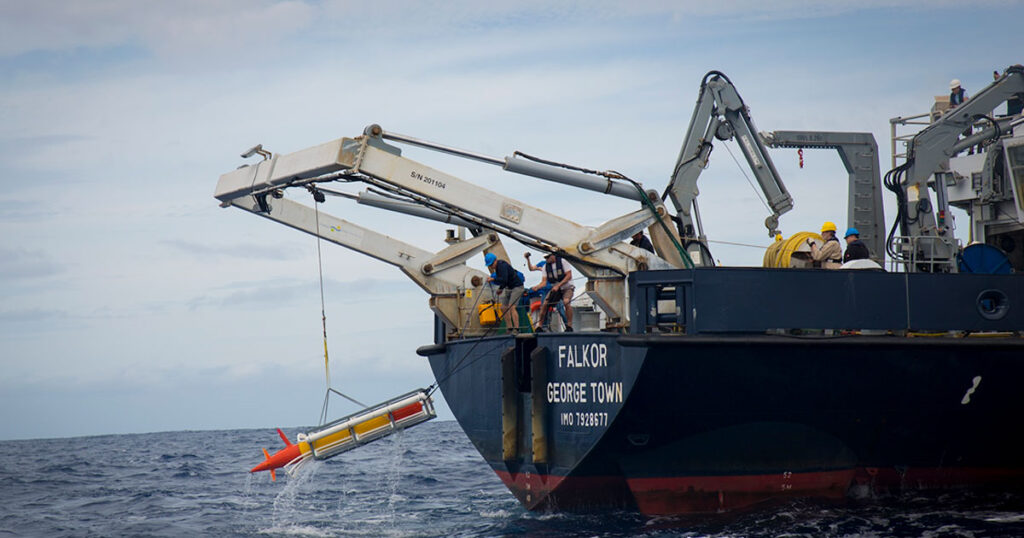
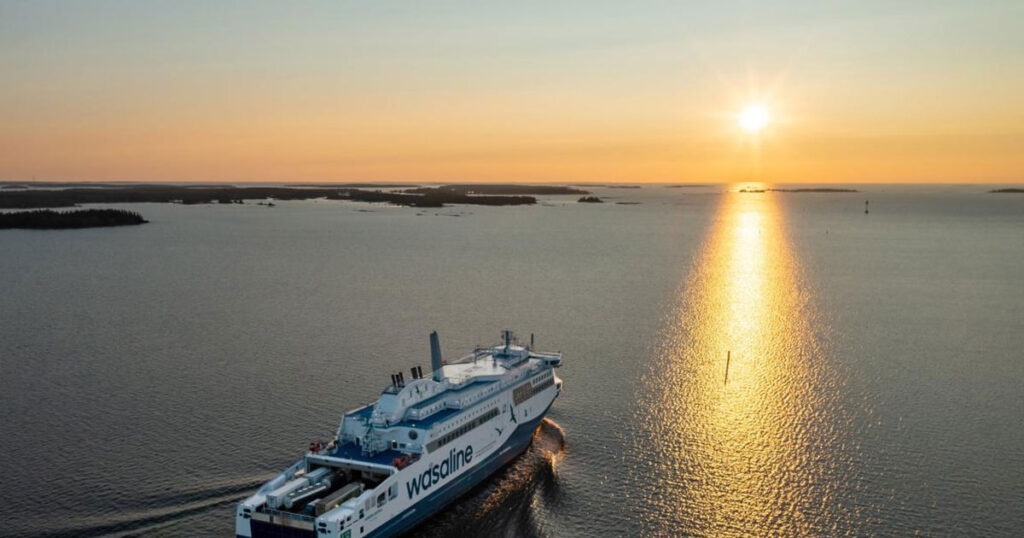
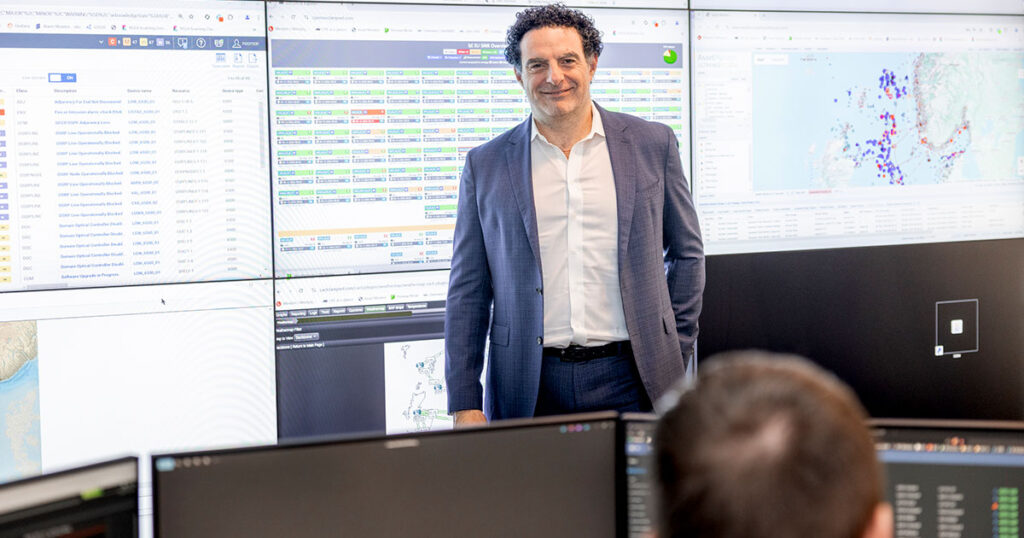
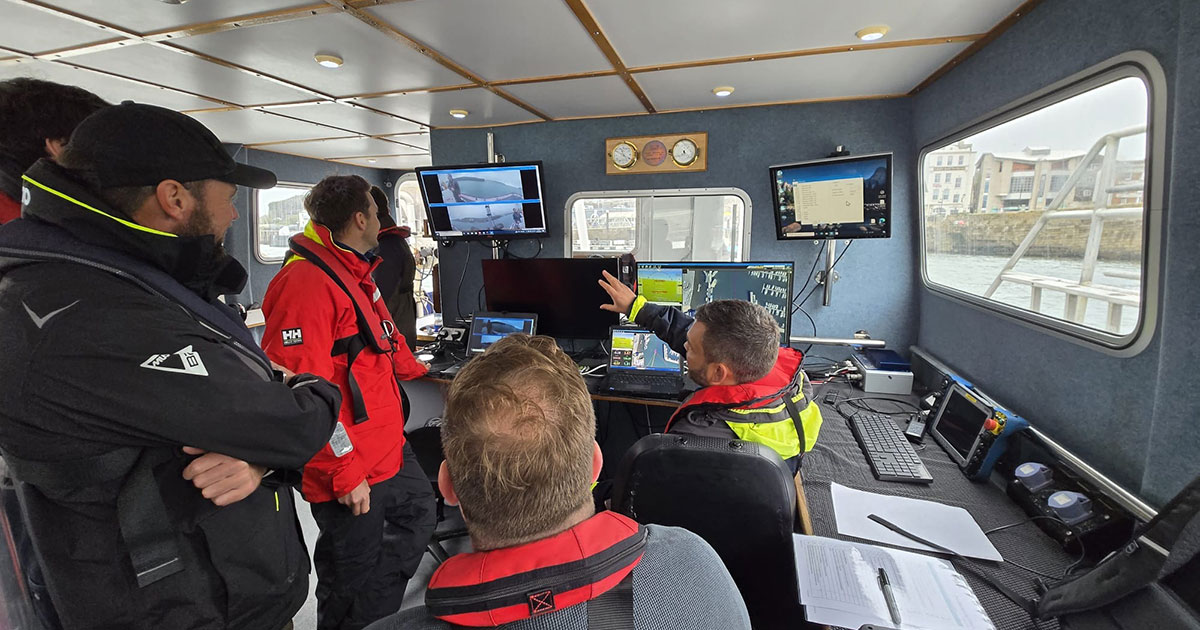
SeaBot Maritime’s MASS Remote Operator Course is designed to translate existing vocational maritime experience into the theoretical knowledge and practical skills required to operate these highly complex vessels remotely. Delivered through a hands- on, scenario-based approach, the program focuses on key areas such as remote vessel control, situational awareness, and decision-making in dynamic conditions, combining theory, practical exercises, and simulation-based scenarios. The training is relevant to maritime professionals transitioning into remote operations, as well as organizations building capability in this area.
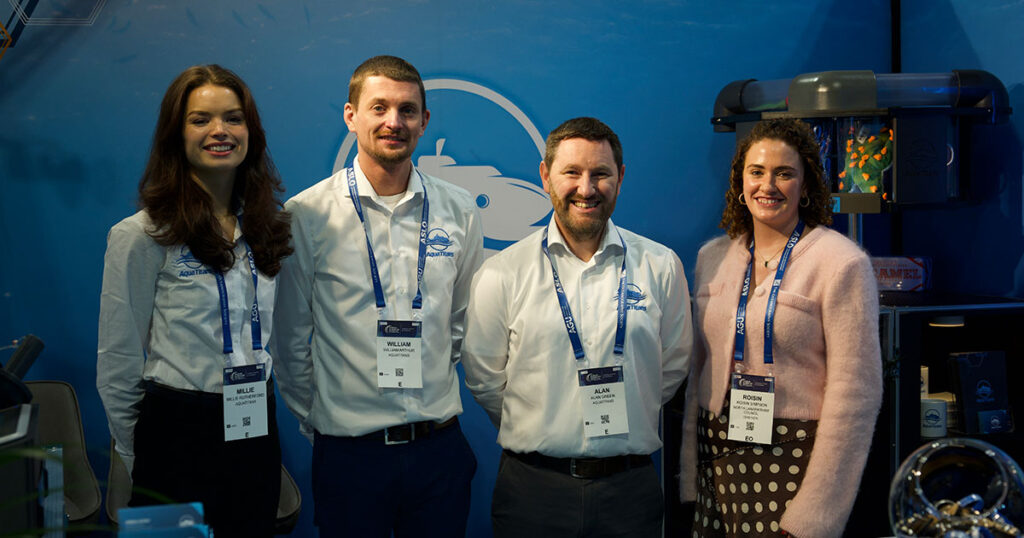
Since 2022, SeaBot Maritime has trained both UK and international delegates across defense, offshore oil and gas, renewable energy, ports, and government organizations. This latest step, aligning delivery with MGN 703 guidance, marks a natural progression in the company’s training capability, ensuring its programs continue to meet evolving regulatory expectations and support the safe, consistent adoption of remote and autonomous vessel operations worldwide.
This course builds on the Memorandum of Understanding between University of Plymouth and SeaBot Maritime, signed in November 2025, reflecting the continued work with academic and industry partners to advance training, research and skills development in marine autonomy.
Plymouth is recognized by the UK Government as the National Centre for Marine Autonomy with significant activity in research, innovation, and skills development across industry, academia, and technology.
Delivering this training in this environment provides access to a strong ecosystem that will support the development of future skills alongside the University’s long-standing expertise in this area. The delivery of this training in Plymouth further supports the city’s key role in developing capability and specialist skills for the marine autonomy sector.
Gordon Meadow, CEO of SeaBot Maritime, said: “Remote and autonomous maritime operations are no longer on the horizon they are already shaping how parts of the industry operate today, and that shift is only accelerating. As these technologies continue to be adopted at pace, the implementation of standards that supports training and competence is crucial in ensuring safe and consistent operations.
Aligning our training with MGN 703 is an exciting and important step in supporting that transition, helping ensure operators are equipped with the vocational skills and competence needed to work effectively as remote and autonomous professionals.”
Chris Fogwill, Executive Dean for Science and Engineering at the University of Plymouth, added: “This alignment is further evidence of how the world of marine autonomy is advancing at pace and with clear intent, to service important agendas, including our national and international security.
“Bringing together these standards ensures that SeaBot Maritime are delivering the highest quality, most up-to-date training possible, at our University’s state-of-the-art Marine Station. It also reinforces Plymouth’s position as the prime destination for anyone seeking to further their learning in this space.”
As the maritime sector continues to evolve, aligning training with recognized guidance and delivering it within real-world environments continues to play a crucial role in developing trust in these systems in support of remote and autonomous vessel operations.