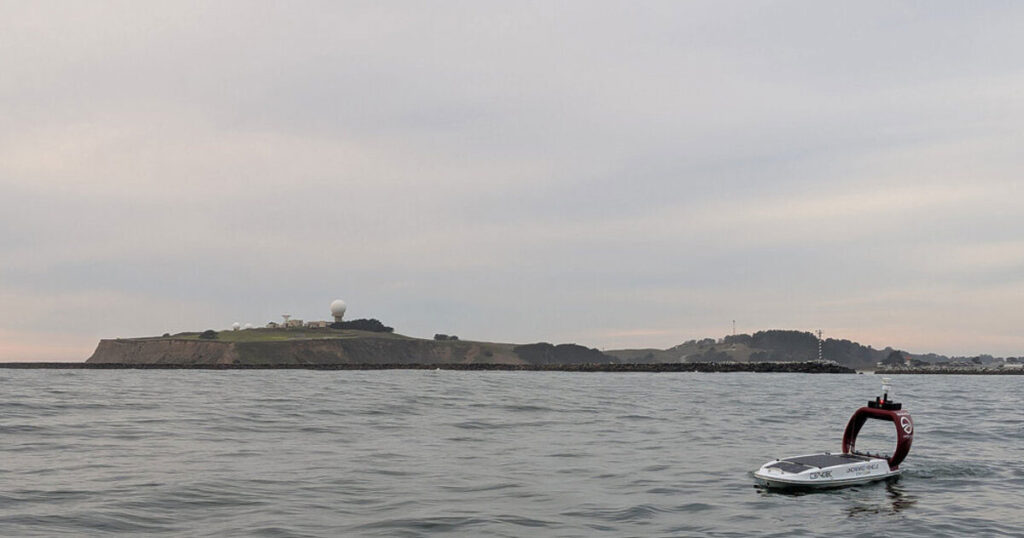
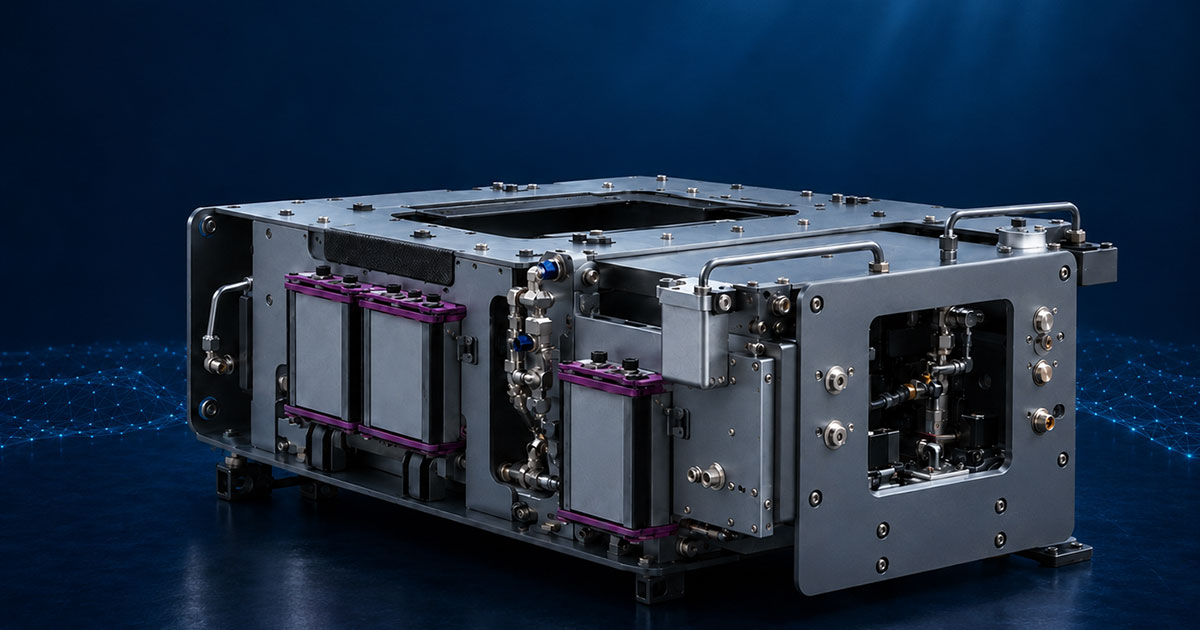
The company is entering the market with a focus on one of the practical constraints shaping marine technology: power. As subsea vehicles, seabed systems and surface platforms are asked to operate farther from support vessels, remain deployed for longer and carry more capable payloads, energy availability is central to mission planning, system design and operating cost.
Battery systems remain important across the sector, but longer missions expose practical limits. NautiGEN has developed fuel cell systems to address those conditions. The architecture separates the fuel cell power plant from the stored hydrogen and oxygen that feed it, allowing mission energy to be increased through storage. For manufacturers and integrators, this offers a more flexible route to balancing endurance, payload energy, range and mission availability. Initial applications include subsea vehicles, static seabed power systems and surface uncrewed systems.
“NautiGEN was created to solve a very practical problem for the maritime market,” said Neil Manning, CEO of Cellula Robotics. “As missions become longer and more complex, power can decide what is operationally possible. The value of hydrogen fuel cells is not only increased endurance. It is the ability to reduce recovery cycles, support persistent operations and give platform designers more freedom in how they balance range, payload and mission duration.”
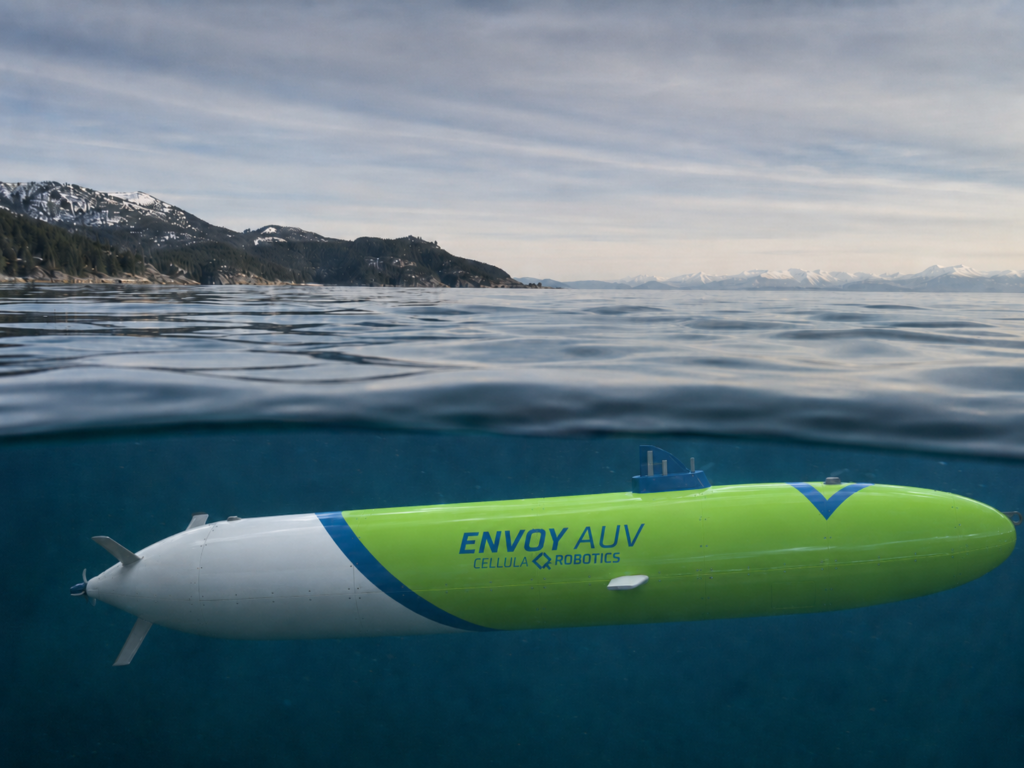
The technology base has already been demonstrated in a subsea environment. The fuel cell system powered Cellula Robotics’ Envoy AUV through a more than 2,000 km fully submerged mission over 385 hours of continuous operation, including over 4,000 non-linear maneuvers. The mission demonstrated how fuel cell power can support longer-range transit, extended time on task, and fewer recovery events between missions.
NautiGEN’s systems are also being developed for lower-impact maritime power. Hydrogen fuel cells generate electricity without combustion, with water as the primary by-product. The technology draws on Infinity’s experience in demanding power applications, including NASA programs, and uses a modular 2 kW core architecture that can be integrated in parallel for higher power requirements.
“Marine operators need power systems that can be trusted through the full mission, not just at launch,” said William Smith, President and CEO of Infinity Fuel Cell and Hydrogen, Inc. “Our fuel cell technology has been developed for demanding environments where reliability, integration and safety matter. NautiGEN brings that capability into maritime markets where longer endurance and persistent power are becoming increasingly important.”