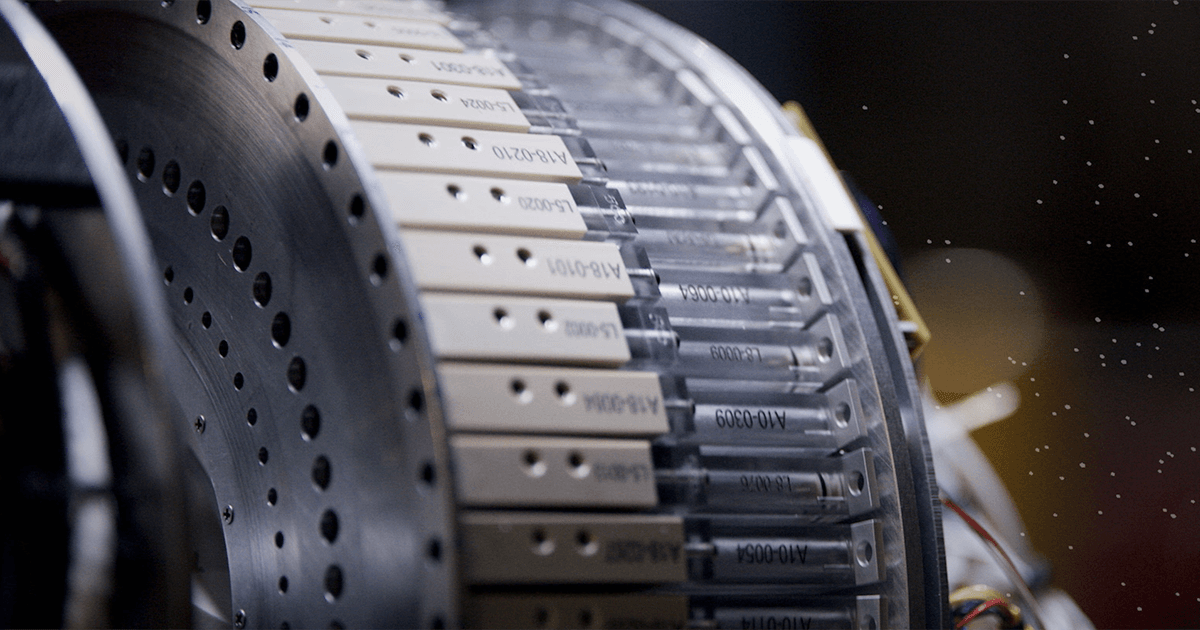
With its ESP, MBARI is revolutionizing monitoring of the ocean and our nation’s waterways. The ESP autonomously conducts analyses without constant human oversight, making it an efficient and cost-effective alternative to traditional sampling. This cutting-edge instrument helps scientists detect harmful organisms and toxins and assess water quality. The ESP can also collect environmental DNA (eDNA), the genetic material left behind by aquatic organisms. eDNA is a powerful tool for assessing and monitoring biodiversity.
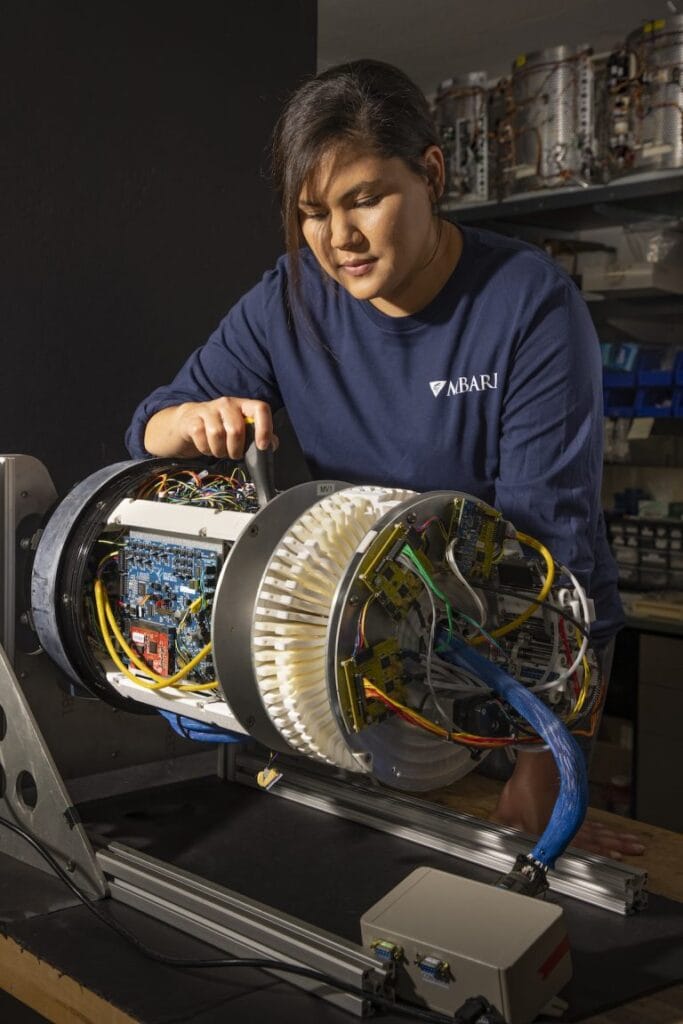
“MBARI is developing new robotic technology to measure and monitor the health of aquatic environments. Our Environmental Sample Processor, or ESP, is a game-changer for how we monitor biodiversity and assess water quality,” said Jim Birch, director of the SURF Center at MBARI. “The ESP allows us to gather critical data from areas where it’s difficult or dangerous for humans and thus enables the monitoring of more and varied environments. It’s a vital tool for MBARI scientists and our collaborators studying environmental health.”
The ESP represents more than two decades of engineering innovation from the MBARI team. Our researchers currently deploy two versions of the ESP. The second-generation (2G) ESP conducts stationary, autonomous sampling, real-time algal toxin detection, and eDNA collection and preservation. The third generation (3G) ESP incorporates many of the same functions but is a highly portable system that can be carried by autonomous robots, including MBARI’s long-range autonomous underwater vehicle (LRAUV), making it suitable for more complex oceanographic studies.
In 2024, MBARI partnered with a wide range of collaborators, from federal resource managers to local communities, to leverage 2G and 3G ESP technology to study and protect freshwater and ocean ecosystem health.