C-Kore Systems has earned its reputation by making subsea testing simple and reliable. With strong experience in the offshore oil and gas sector, the company develops automated tools that save customers time, reduce costs, and limit the number of people needed offshore. Designed for practical subsea use, C-Kore’s tools give fast, accurate results that help operators quickly understand the condition of their subsea equipment.
Plug & Play Flexibility Meets Operational Precision
One of these tools is the Subsea Optical Time Domain Reflectometer (SOTDR), a small, battery powered device that helps operators quickly find faults in subsea fiber optic cables. Because it doesn’t need external power, communication links, or ROV integration, it can be deployed easily, even in remote offshore locations. The SOTDR is set up before it leaves C-Kore’s facility, so offshore teams can use it right away without specialist support. C-Kore’s experts review the data remotely, helping customers make fast, confident decisions.
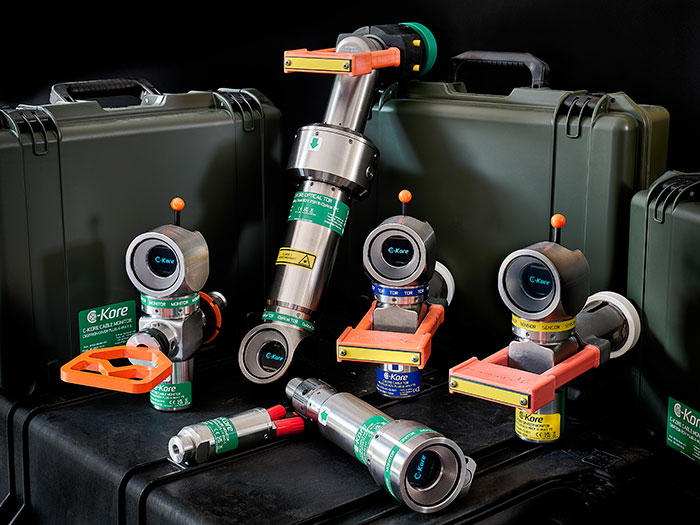
“ While SOTDR was originally designed for subsea umbilical testing, it has also been successfully used on down hole fiber optic systems, which are difficult for standard OTDRs to test due to their many closely spaced connections.”
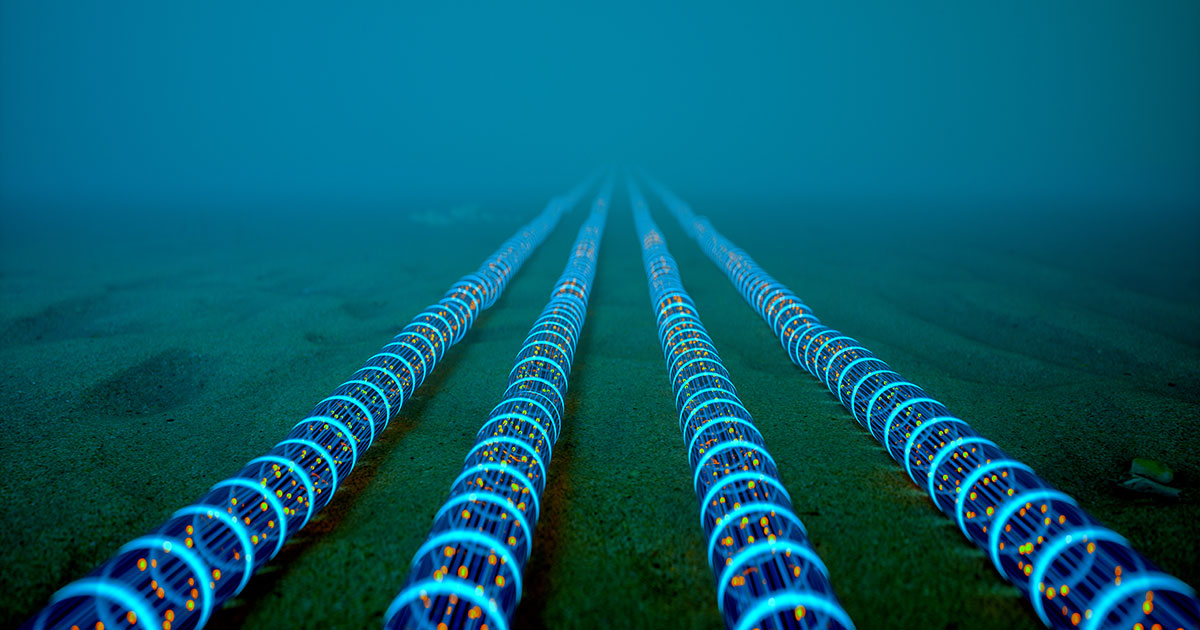
Supporting Fiber Optic Networks
The SOTDR has proven it can support different applications in the oil and gas industry. While SOTDR was originally designed for subsea umbilical testing, it has also been successfully used on down hole fiber optic systems, which are difficult for standard OTDRs (Optical Time Domain Reflectometers) to test due to their many closely spaced connections. The SOTDR now provides customers with data not available before. Its use in this new area shows how versatile the tool can be.
Proven Versatility in the Field
Many industries using subsea fiber optic cables face similar issues when it comes to testing and fault-finding. Their equipment is remote, hard to access, and needs tools that work quickly and reliably. The SOTDR has already proven itself in several oil and gas tasks, suggesting it can help other sectors looking for dependable subsea testing solutions.
As subsea systems continue to evolve, the benefits of using reliable, field tested tools in new areas become more obvious. C-Kore’s work with their SOTDR in various oil and gas applications shows both the tool’s wide usefulness and the company’s commitment to solving subsea testing challenges. With deep experience in demanding subsea conditions, C-Kore is well prepared to explore how its tools could support new markets. ckore.com