High-resolution measurement of CO2 exchange at the air-sea interface remains a critical unmet need in both carbon cycle science and mCDR verification. Existing measurement networks are insufficient to capture the spatial and temporal variability of ocean carbon flux, limiting the fidelity of natural carbon cycle models and the development of robust monitoring, reporting, and verification (MRV) frameworks for mCDR interventions.
The Buoy Fleet
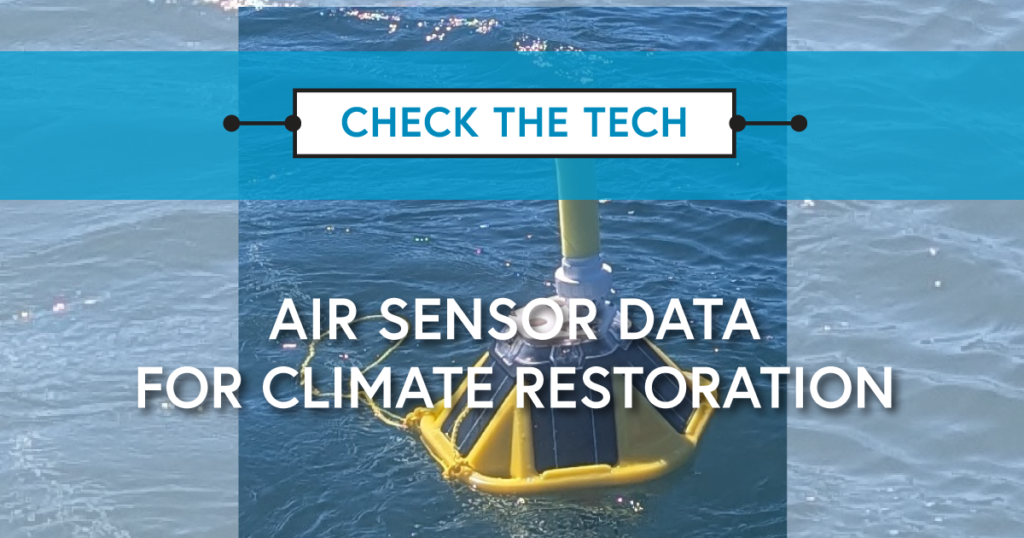
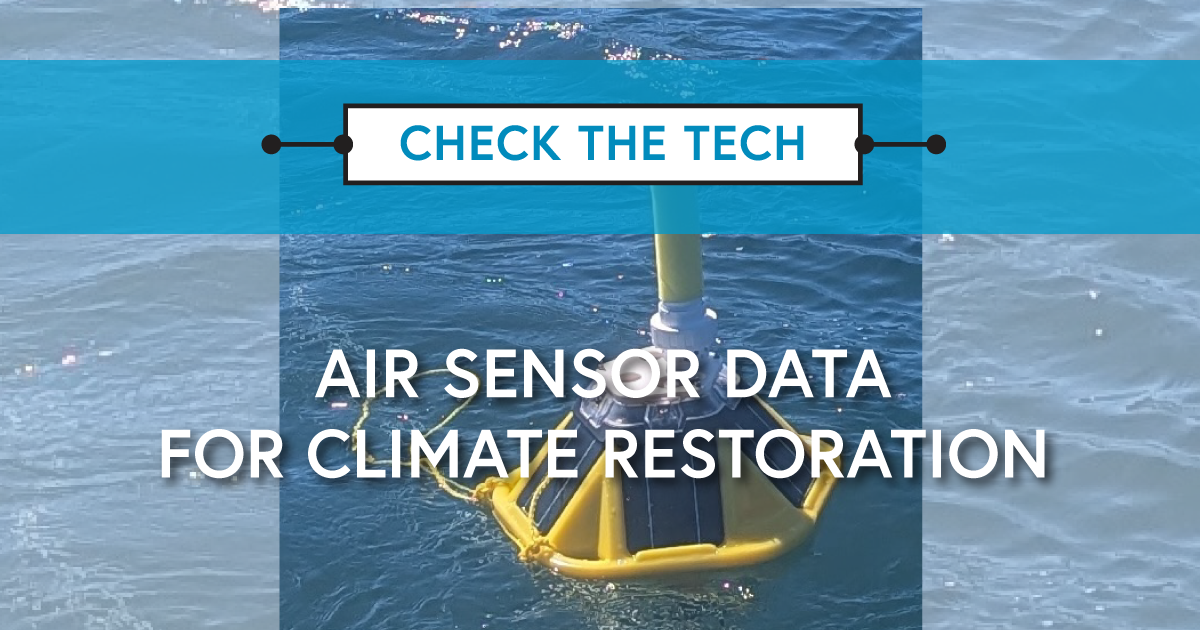
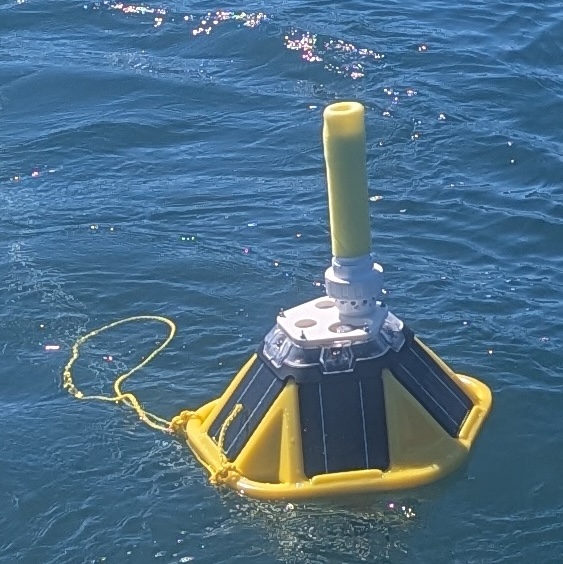
The DGS COBALT℠ (Carbon Ocean-Based Atmospheric Linked Telemetry) system maps the relative rates of carbon capture and release over an area using a fleet of ocean buoys. The baseline platform is a Sofar Spotter buoy to which a Vaisala GMP252 sensor has been added for CO2 measurements.
The Spotter system can be deployed either as free-floating or tethered, and plans are underway to install the technology into the new self-positioning Sofar Scout autonomous surface vessel (ASV) platform. For free-floating deployments, three drogue designs have been evaluated to enable buoys to track subsurface currents and circulate within ocean eddy systems.
The Sofar buoys have a well-established satellite communication system, and the Vaisala GMP252 NDIR (Non-Dispersive Infrared) sensor was deemed the best between precision and cost based on testing several commercial CO2 sensors.
A fleet of such buoys can map, capture, and release rates (ppm/h) at the air-ocean interface from the product of the wind velocity and the atmospheric spatial CO2 gradient parallel to the wind. This value is converted to a flux using the effective height of the CO2 exchange, which depends on meteorological conditions.
Precise & Sustainable Approach
The accuracy of the methodology is currently being tested on land at the location of an eddy-covariance tower, which is the gold standard for capture and emission measurements. The performance of the buoys in strong currents was recently tested in San Francisco Bay. Additional open ocean tests are scheduled for later this year.
The same methodology has been explored using data from NASA’s OCO-2 satellite. The results suggest that ocean areas with active eddy systems promote CO2 exchange between the air and ocean. Overall, this methodology can substantially increase the areal density of carbon exchange measurements at the air-earth interface and thereby improve our understanding of the carbon cycle on both land and the ocean.
Speaking exclusively to ON&T, Dr. Alan Burnham, DGS’ Chief Science Officer told us, “We’re excited about using this system in the mCDR field trials we are planning.”
Headquartered in Silicon Valley in California, DGS is a 501(c)3 nonprofit and would welcome the opportunity to discuss making this technology available to other mCDR research organizations.
This spotlight appeared in ON&T Magazine’s 2026 June Edition, Ocean Observation & Monitoring, to read more access the magazine here.