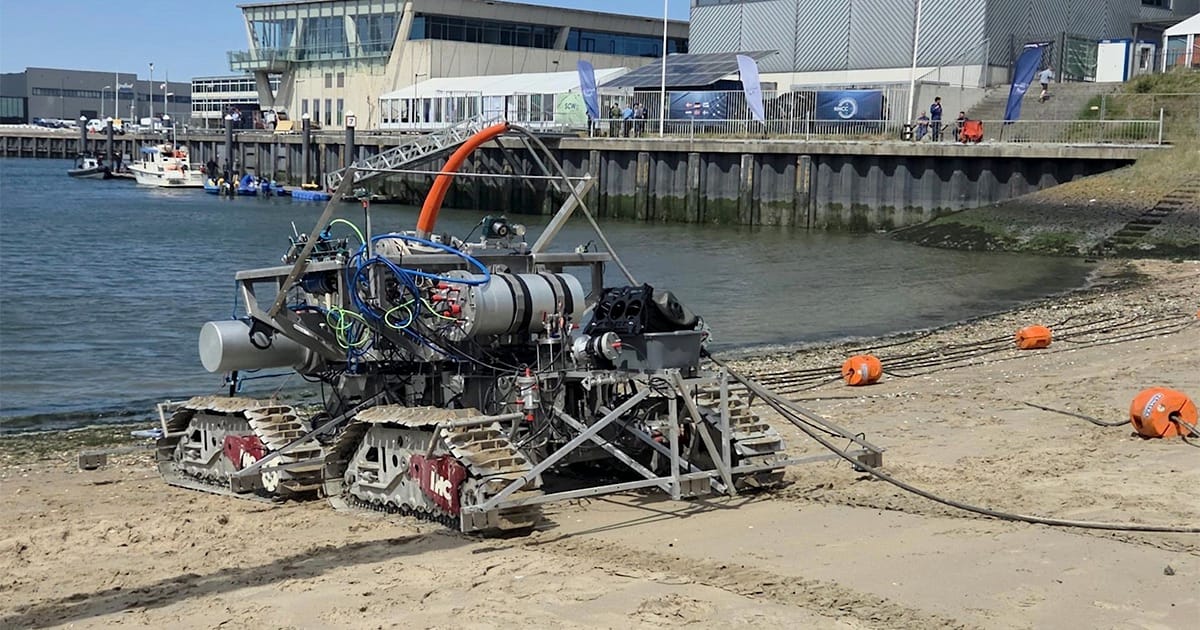
The live demonstration at this key event in Scheveningen, the Netherlands, offered a practical look at emerging technology in this field, but also highlighting the growing urgency and international cooperation required to protect the North Sea seabed.
A Mission Beneath the Surface
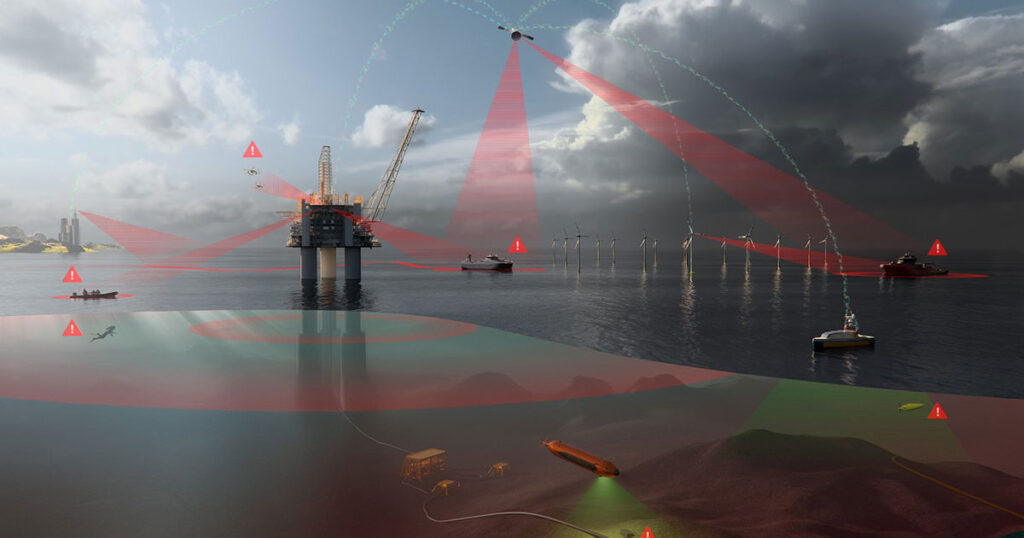
As global reliance on subsea infrastructure increases—from data cables to energy pipelines—so too does the need to protect it. Underwater sabotage, unmapped mines, and unauthorized activity all pose real risks to critical systems.
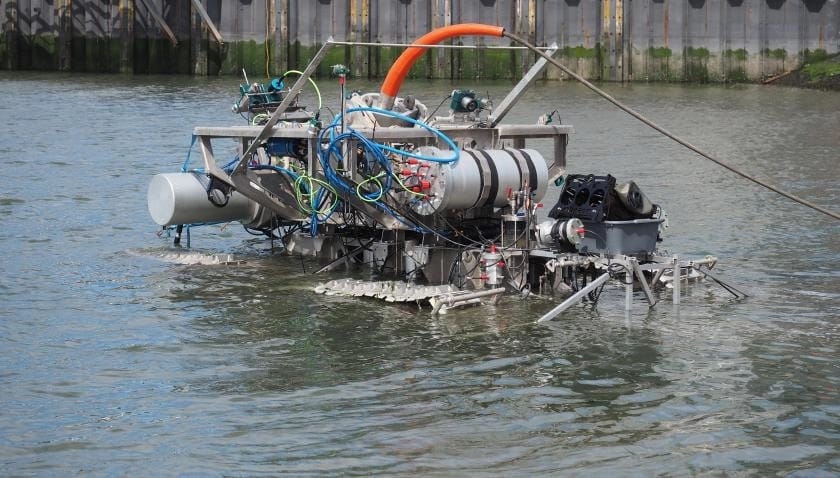
To respond to these challenges, Royal IHC is developing a next-generation 4-track seabed crawler. Designed to operate in challenging shallow-water environments, the crawler delivers stability, mobility, and relevant data, even in rough conditions. This technology is built to support inspection, monitoring, maintenance, and mine countermeasure (MCM) operations—all without compromise.
SeaSEC: Where Innovation Meets Action
Held from May 14–21, at Campus@Sea in Scheveningen, the SeaSEC Challenge Weeks brought together representatives from European navies, defence organizations, and industry leaders.
Backed by the navies of the Netherlands, Germany, Denmark, Finland, Norway, and Sweden, SeaSEC offered a real-world stage for live trials, collaboration, and forward-looking discussion.
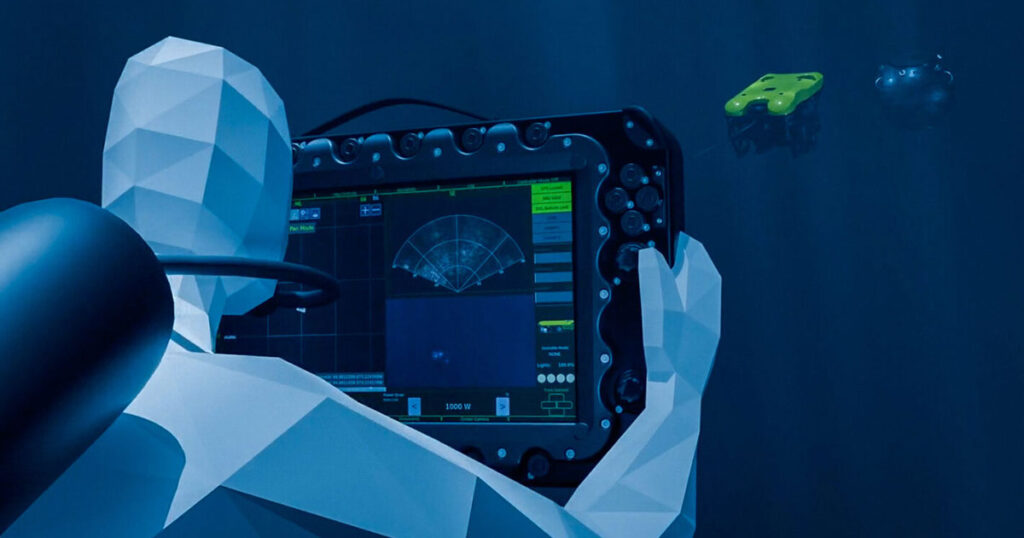
The crawler, equipped with a suite of advanced sensors from Royal IHC partners ELWAVE, CSignum, i2S Orphie, and Teledyne Marine, was demonstrated in action. The trials provided valuable insights that will guide the next phase of development, particularly in areas such as:
- Achieving stable and reliable movement across varying seabed conditions.
- Optimizing real-time data collection through integrated multi-sensor platforms.
- Enhancing their toolbox for anomaly detection and MCM (mine countermeasures) operations.
Laying the Foundations
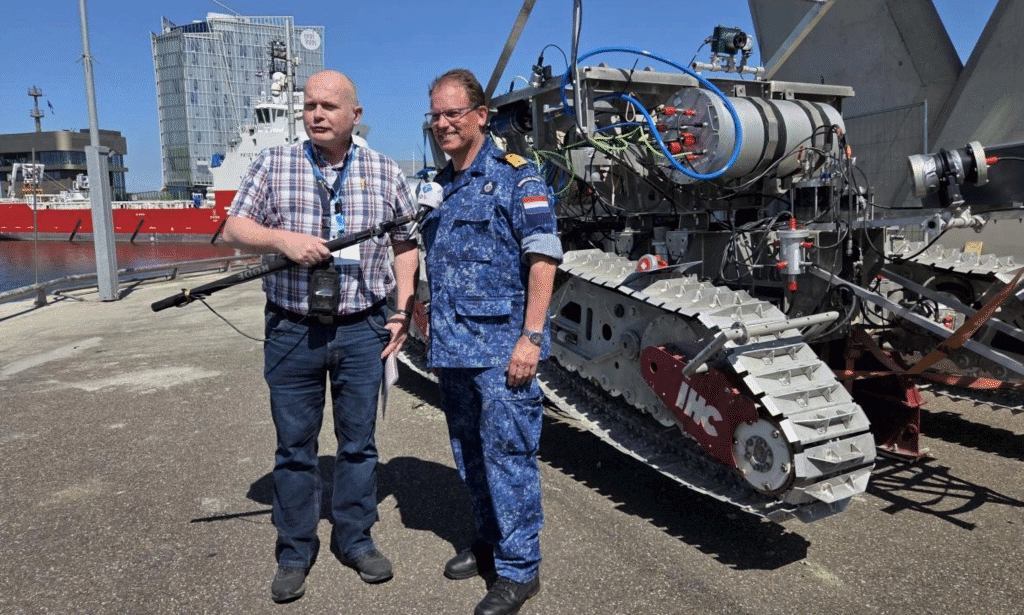
SeaSEC 2025 marked the start of a new phase: the crawler will be further developed within the E=MCM project—a 36-month, EU and government-funded program uniting 11 European countries and 22 key partners, aiming to transform Europe’s approach to mine countermeasures and underwater threat detection.
Lessons learned during the SeaSEC trials are already being used to improve the next generation of the crawler, with a focus on greater autonomy, advanced sensors, and scalable deployment.
Hubert van Strien, Business developer, stated: “One crawler. Four tracks. Countless insights—all in service of seabed security!”
Looking Ahead
SeaSEC 2025 underscored the critical role seabed security will play in future defense and infrastructure strategies. The event generated significant interest across the European defense community and highlighted the importance of cross-sector innovation.