
The adaptation of micropiling technology to the offshore sector poses a highly beneficial disruption to the industry. Using smaller vessels and remote seabed drilling systems, large construction jobs can be more reliably completed with lower cost, minimal environmental impact and high local content.
The approach led by Subsea Micropiles provides a scalable industrial solution for large projects, including offshore wind and both fixed and floating structures. Foundation designs can be adapted for high load regimes across a wide range of soil conditions.

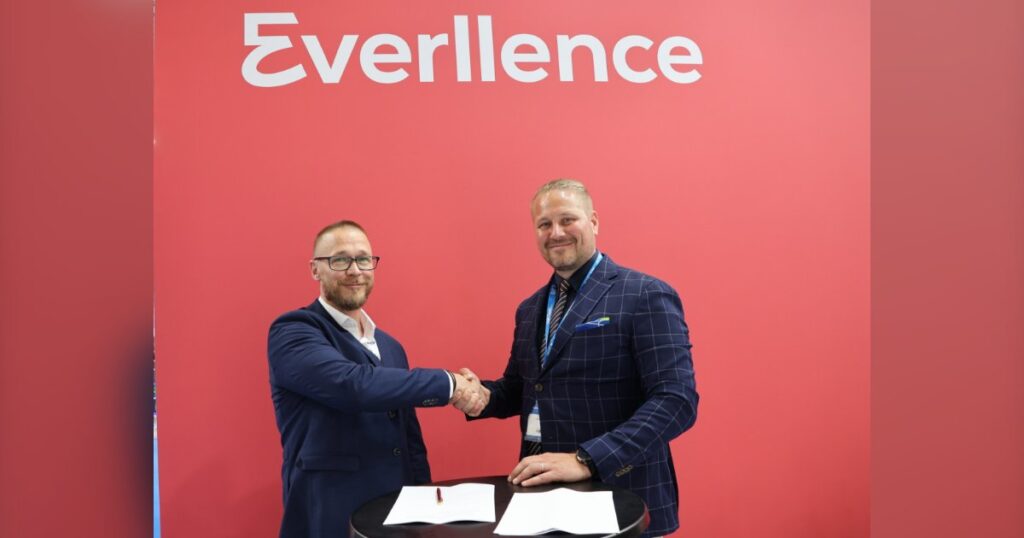
CEO at Subsea Micropiles, Derek Robertson, added, “It would be fair to describe offshore construction as the logistics of moving steel to the project site and from our perspective to the seabed. Recognizing steel as a dominant project cost, we are very pleased to be working with Marubeni Itochu Steel, which can support us with tubular and flat plate steel globally for the manufacture of anchor templates and piles in regional markets. We also enjoy a collaborative relationship on the development of OW projects in Asia and other markets.”
Managing Director at Marubeni Itochu Steel Europe (Europe subsidiary of MISI), Eiichi Fuji, said: “MISI Group operates a global steel supply network, including Europe, and possesses extensive expertise in supply chain management. Through this Global Supply Agreement, we will support the commercialization of Subsea Micropiles by ensuring a stable and reasonable-priced supply of high-quality steel materials for their anchoring solution. Furthermore, we are committed to strengthening our collaboration with Subsea Micropiles and enhancing our role in the rapidly expanding global floating offshore wind industry.”