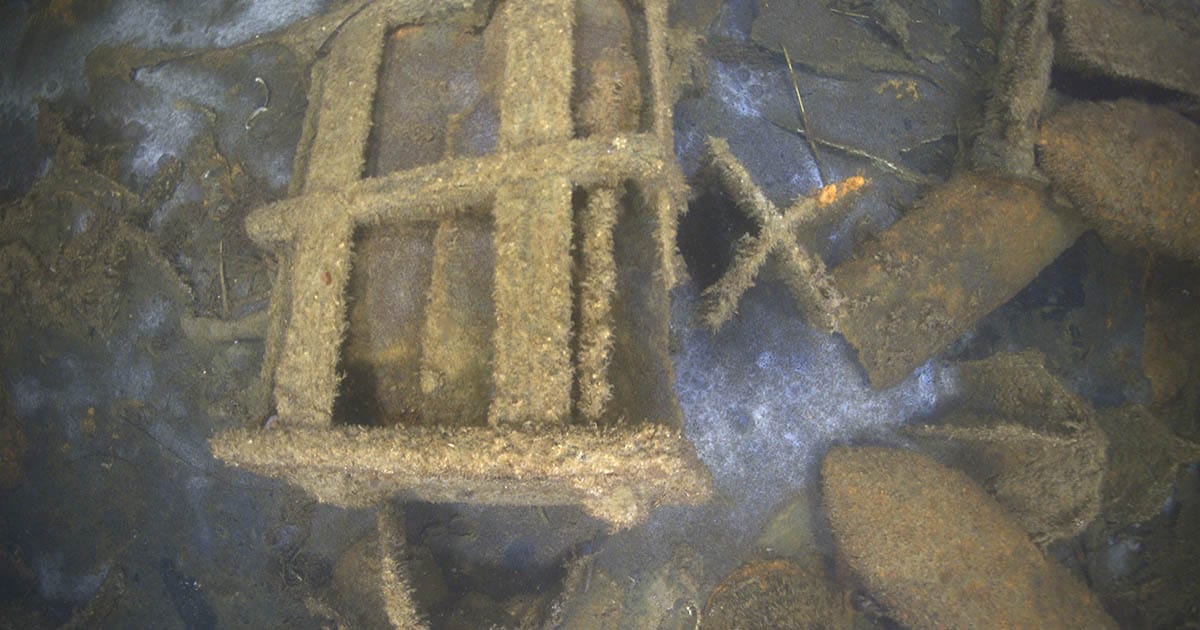
Toxins Found in Almost Every Sample
A new study from the GEOMAR Helmholtz Centre for Ocean Research Kiel highlights the long-term environmental contamination caused by unexploded ordnance in the southwestern Baltic Sea. Water samples were taken from the region in 2017 and 2018, including samples from the Bay of Kiel and the Bay of Lübeck. Ammunition-related chemicals were detected in almost every water sample. The concentrations detected were generally well below drinking water limits or toxicological thresholds for marine organisms. In some cases, however, concentrations approached critical levels.
“Unexploded ordnance contains toxic substances such as TNT (2,4,6-trinitrotoluene), RDX (1,3,5-trinitro-1,3,5-triazine), and DNB (1,3-dinitrobenzene), which are released into the seawater when the metal casings corrode,” explains lead author Dr Aaron Beck, a geochemist at GEOMAR. “These compounds pose a threat to the marine environment and living organisms as they are toxic and carcinogenic.”
Regional Differences in Contamination
Due to variations in the types of munitions dumped, regional differences in contamination levels were observed: particularly high concentrations of TNT were measured in the Bay of Kiel, while RDX and DNB were more prevalent in the Bay of Lübeck. Most munitions-related chemicals were found in dissolved form rather than bound to suspended particles or sediments.
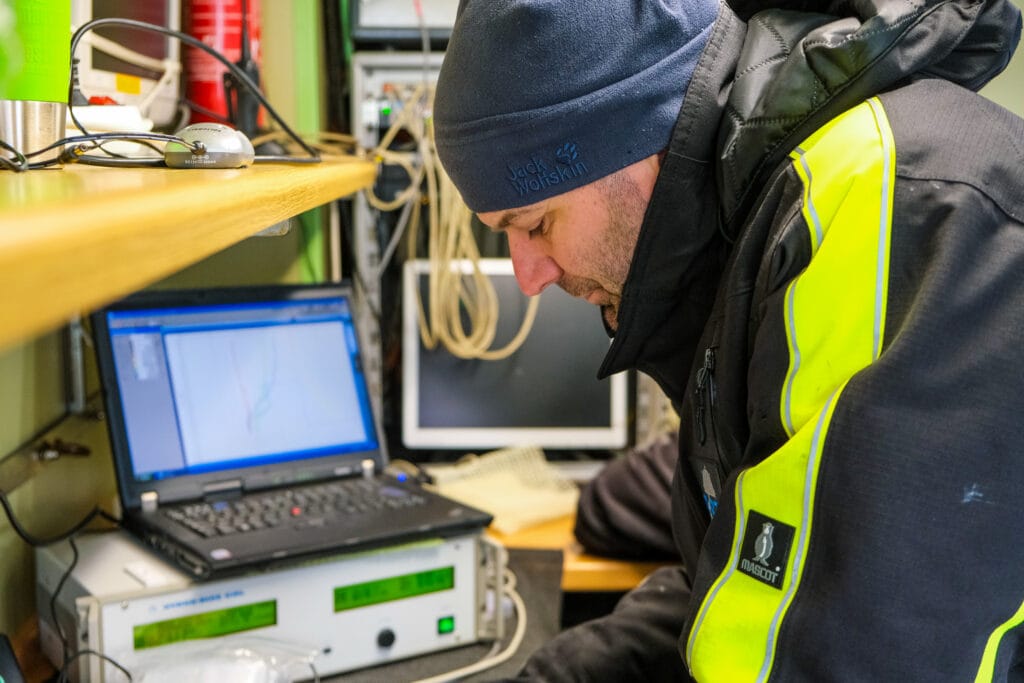
The researchers estimated that the current amount of dissolved munitions chemicals in the region is around 3,000 kilograms. Without removal action, the contamination is expected to increase as metal casings continue to corrode, releasing more and more toxic compounds. This process is projected to continue for at least 800 years.
A Global Environmental Issue
The study emphasizes that chemical contamination from legacy munitions is an international problem. The researchers recommend that dumped ordnance be classified as “historical contaminants of emerging concern” and addressed through targeted remediation efforts.
Aaron Beck states: “Unlike diffuse pollution sources, UXO exists in a concentrated, already packaged form. This means it can be physically removed from the environment.”
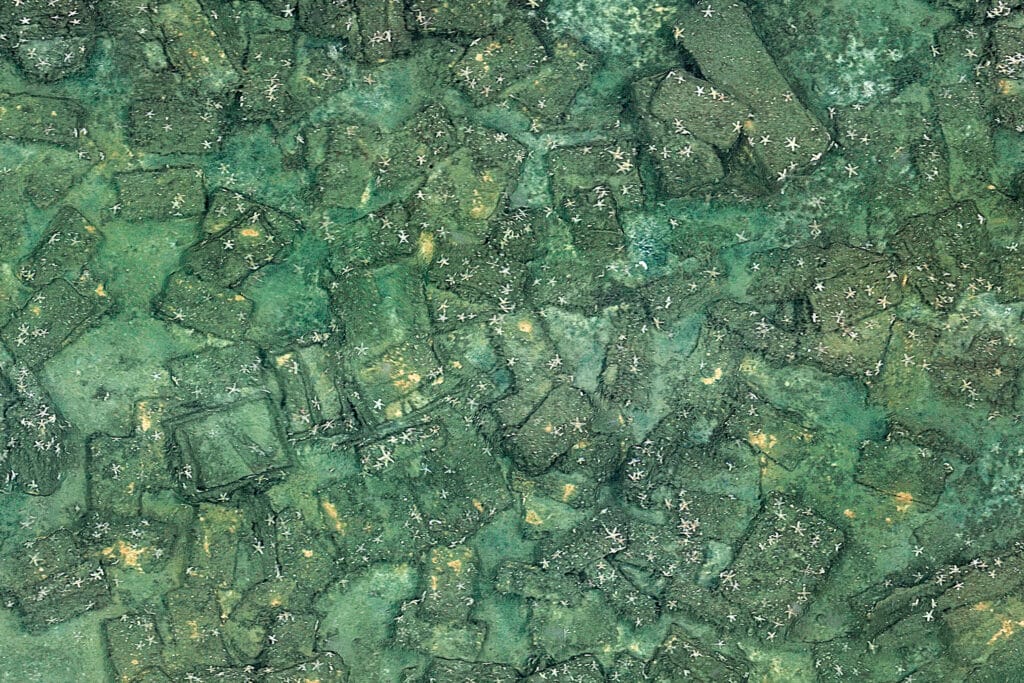
Germany’s munitions clearance operations could serve as a model for the removal of such hazardous waste around the world.
“With war relics, at least one environmental stressor can be permanently eliminated from the marine ecosystem.”
About: Munitions Clearance Pilot Project
The German government launched a pilot program for the recovery and environmentally sound disposal of legacy munitions. With a budget of 100 million euros, this was the first targeted effort worldwide to remove munitions remnants from the Sea. The pilot clearance operation began in autumn 2024 in the Bay of Lübeck. The next step is to use the data collected to develop an autonomous clearance platform that will treat and incinerate the ordnance at sea.