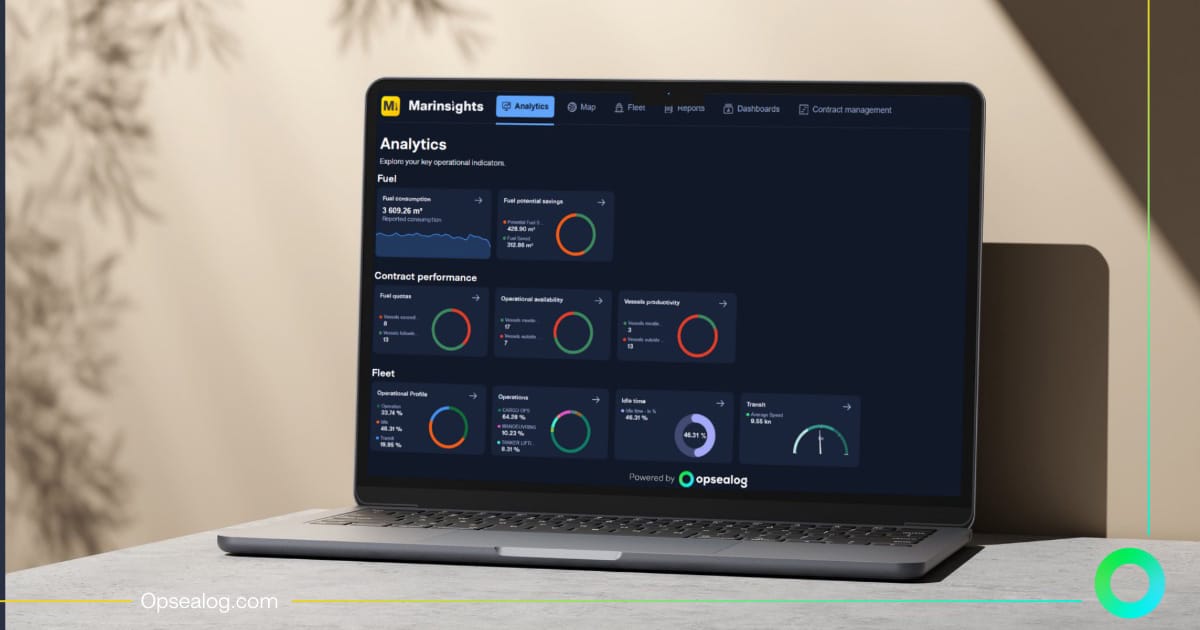
Titled Building Trust in Offshore Performance through Data Science & AI, the paper examines how applied models, grounded in verified data and operational context, can deliver practical insight into vessel activity, fuel use, emissions, and contract performance. It includes a proprietary activity scoring model, which reconciles reported data with sensor inputs to produce auditable and explainable performance indicators.
Opsealog’s paper highlights persistent industry challenges such as fragmented reporting, data overload, and mismatched perceptions between shipowners and charterers. It describes how a scalable, transparent analytics framework can bridge these gaps and promote better operational decision-making.
The paper features real-world examples from fleet operations, including a case study in which some slow steaming engine configuration, long assumed to be efficient, was shown to produce suboptimal generator load and unnecessary emissions—insights only visible through high-frequency data analysis.
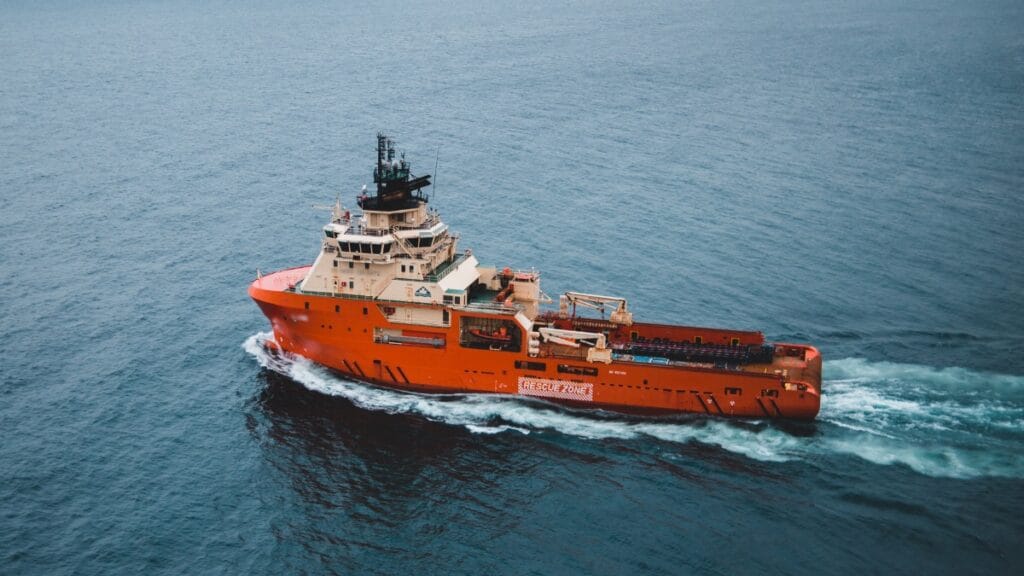
It also shows how AI-based analysis can uncover energy losses across sister vessels, streamline contract compliance tracking, and improve understanding of vessel behavior in ways that support commercial efficiency and ESG accountability.
Arnaud Dianoux, Founder and Managing Director at Opsealog, said: “The goal isn’t to replace human insight—it’s to empower it. We see AI as a way to make operations more predictable, emissions reporting more reliable, and collaboration between stakeholders more constructive. But for that to happen, the AI must be explainable, validated, and based on real-world, good-quality data.
“With rising expectations around performance transparency and ESG disclosure, now is the time to ensure that offshore operations are supported by data systems that people trust, not just technically, but operationally.”
The full technical paper, including detailed use cases and modeling insights, is available for download at: https://opsealog.com/how-ai-and-data-science-build-trust-in-offshore-performance/