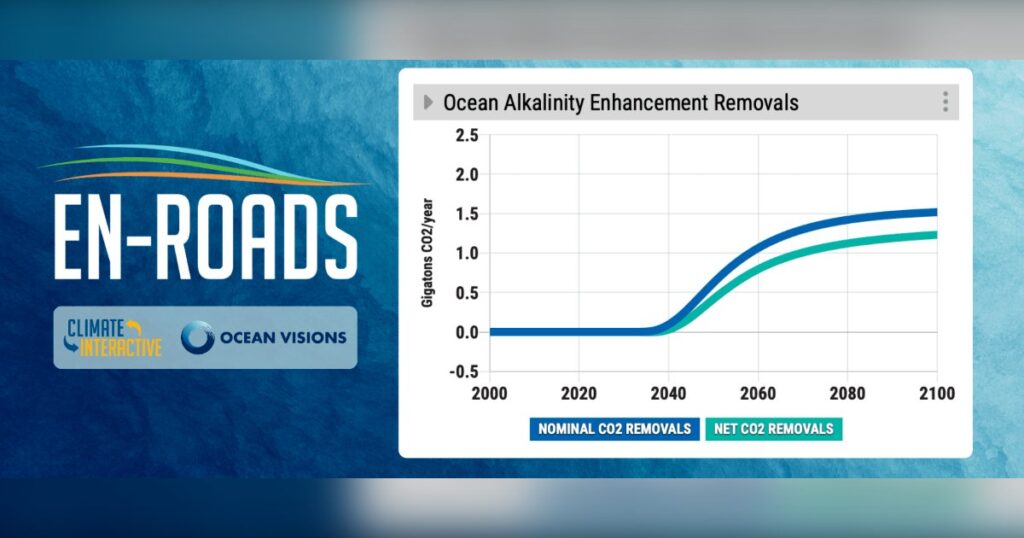
Ocean alkalinity enhancement is a marine carbon dioxide removal (mCDR) approach identified by leading scientific bodies, including the US National Academies of Science, Engineering, and Medicine (NASEM) and the Intergovernmental Panel on Climate Change (IPCC), as a high-potential strategy for durable atmospheric carbon dioxide removal. OAE works by enhancing the ocean’s natural capacity to absorb carbon dioxide while simultaneously avoiding extra ocean acidification. This research, which has earned significant, independent support from the scientific community, is funded by several philanthropic and federal sources and advances critical goals laid out in the National Marine Carbon Dioxide Removal Strategy released by the US government in 2024.
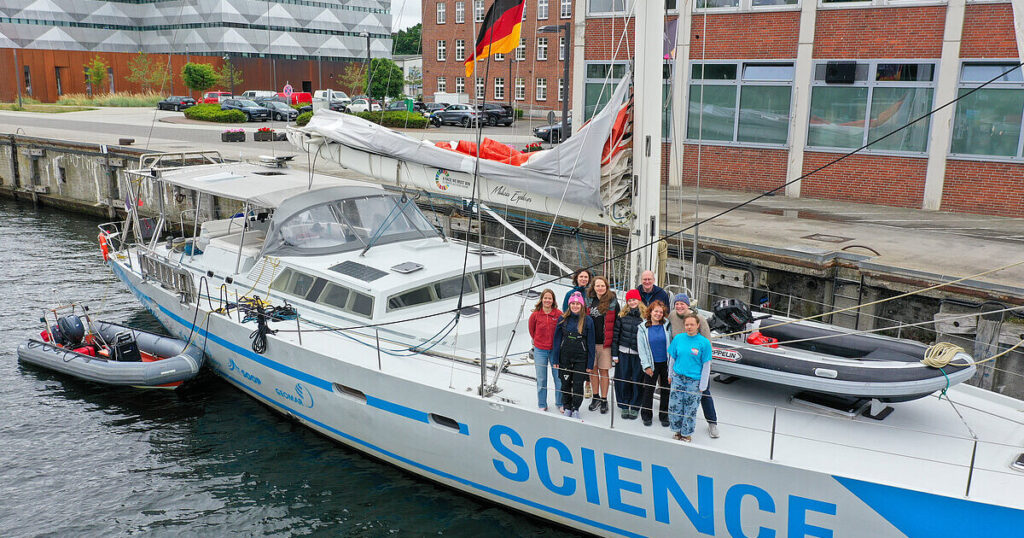
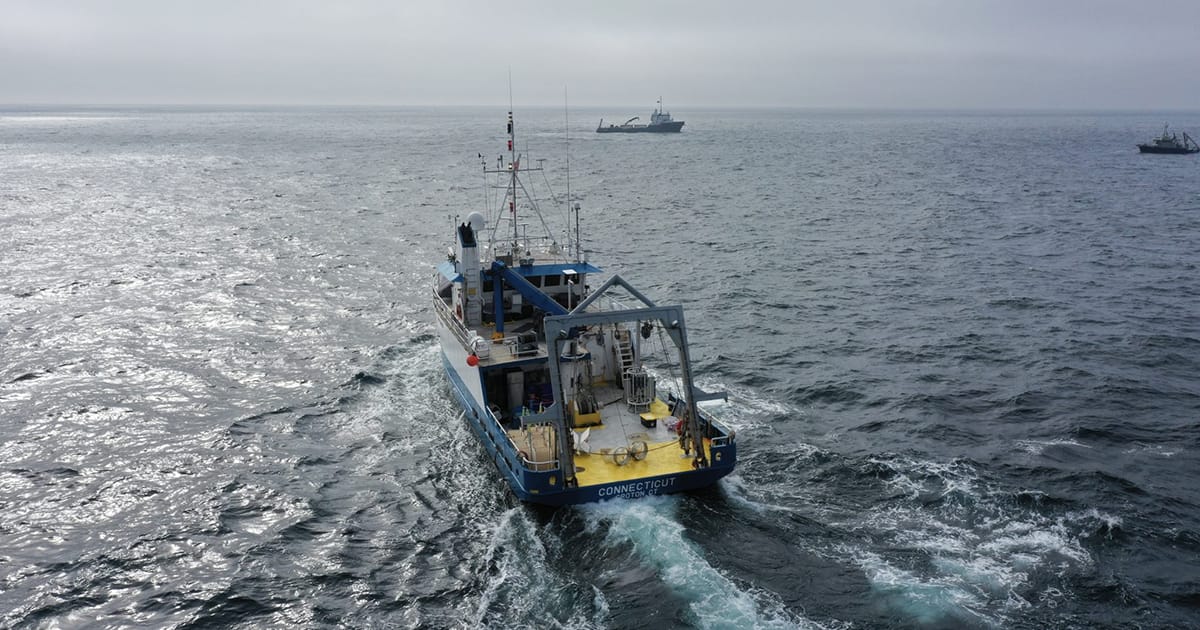
In August 2025, the LOC-NESS team conducted an engineered, six-hour dispersal in the Wilkinson Basin area of the Gulf of Maine. Highly purified sodium hydroxide, commonly used to adjust the pH of drinking water, was introduced into the surface waters of the Wilkinson Basin area of the Gulf of Maine along with a red tracer dye known as Rhodamine Water Tracer (RWT). WHOI scientists in a fully equipped research vessel followed behind the release vessel to carefully monitor environmental conditions and then remained on-site to follow the patch of alkalinity for four days, tracking the physical, chemical, and biological conditions of the ocean to assess OAE’s potential for safely removing carbon dioxide from the atmosphere. In addition, scientists deployed four self-propelled autonomous underwater vehicles and free-swimming gliders to measure key water properties before, during, and after release and monitored the evolution of the alkalinity patch by satellite. Complementary observations included CTD profiles, water sampling, plankton net tows, and satellite imagery. Release of the alkalinity was also observed by WHOI engineers, chemical industry experts, federal regulators, and a commercial fisher.
To read the speaker summaries from the press briefing, visit: https://www.whoi.edu/press-room/news-release/oae-prelim/
Background leading up to the August 2025 field trials:
- In April 2025, the EPA approved the LOC-NESS field research proposal following a rigorous, year-long review that included two public comment periods totaling 75 days and garnered more than 250 comments. The research earned significant, independent support from the scientific community.
- EPA consultations with NOAA Fisheries and the US Fish and Wildlife Service found minimal potential environmental impact for the scale and nature of the proposed trial. The EPA determined that the project “demonstrates scientific rigor” and is “not expected to significantly affect human health, the marine environment or other uses of the ocean.”
- This non-profit research builds on years of laboratory experiments, computer modeling, and theoretical studies about the safety and effectiveness of OAE, and it comes as commercial ventures related to OAE are progressing.
- Prior to the field trial, a series of lab experiments were conducted with the copepod Calanus finmarchicus, a primary food for North Atlantic right whales and commercially important fish, with preliminary results showing no impact of elevated pH on this key food web species in the region.
- The LOC-NESS team performed a simulated alkalinity deployment at a 10-million-liter, open-air federal testing facility in New Jersey, which helped refine the engineering and methodological design of the Gulf of Maine experiment.
- LOC-NESS team members organized or participated in more than 50 community engagement and outreach activities throughout the research design and public review process.
- The LOC-NESS project is funded by the Carbon to Sea Initiative and ICONIQ Ocean Co-Lab, with additional monitoring support from National Oceanic and Atmospheric Administration (NOAA). LOC-NESS is an independent scientific research effort with no commercial stake in mCDR development.