In June 2025, the two companies announced they had signed a co-operation agreement to develop a new generation of inertial products. This is the first development to emerge from this cooperation.
David Somerville, General Manager, Silicon Sensing, commented: “Nine months ago, we signed a co-operative agreement with an ambition to achieve navigation-grade performance from a MEMS-based gyro. Today, we have reached a major milestone in that. North-seeking MEMS is a breakthrough that will bring real operational benefits for a range of sectors, and we are proud to be part of this endeavor with Kongsberg Discovery.”
Market requirements for north-seeking gyroscopes increasingly demand low size, weight, power, and cost (SWaP-C), which existing products and technologies struggle to deliver. The combination of Silicon Sensing’s proven micro electro-mechanical systems (MEMS) sensor technology with Kongsberg’s electronics and software expertise now offers a solution with potential application in many markets and for many critical operations.
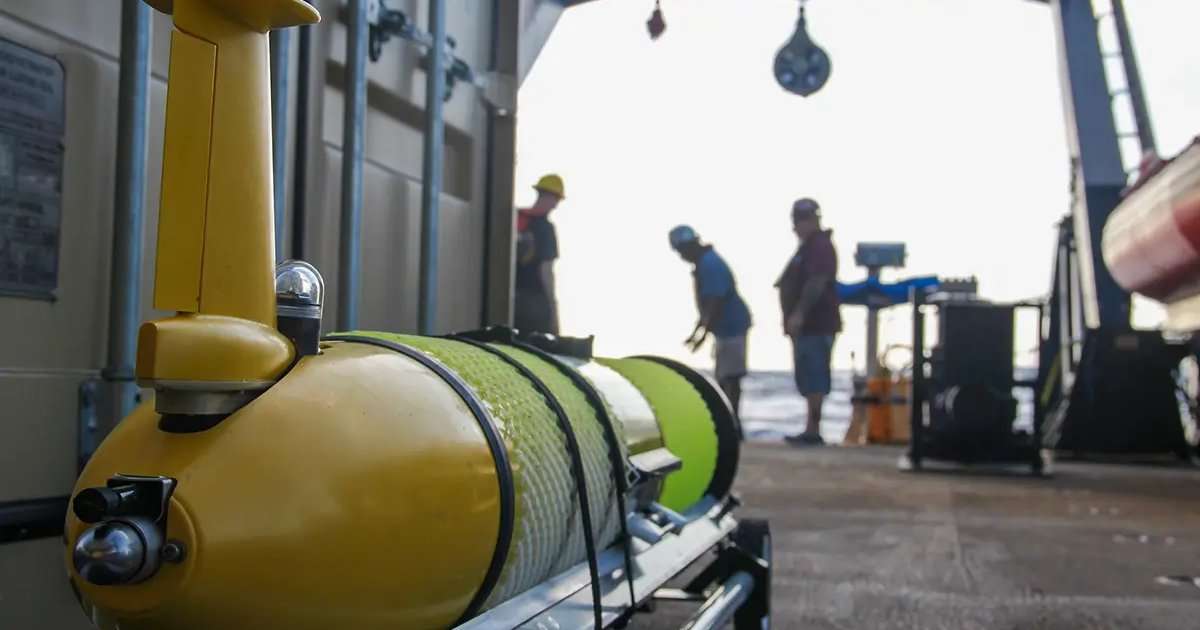
Ane Dalsnes Storsaeter, Vice President Inertial Solutions, Kongsberg Discovery, explained: “This MEMS solution takes the accuracy associated with larger and more costly units and repackages it in a tiny, lightweight, robust, and affordable tactical-grade unit that makes resilient navigation truly accessible. From air and surface-based drones, to subsea ROVs and AUVs, to defense systems, marine surveying, energy applications, and beyond, the device allows for reliable, precise navigation without continuous aiding.”
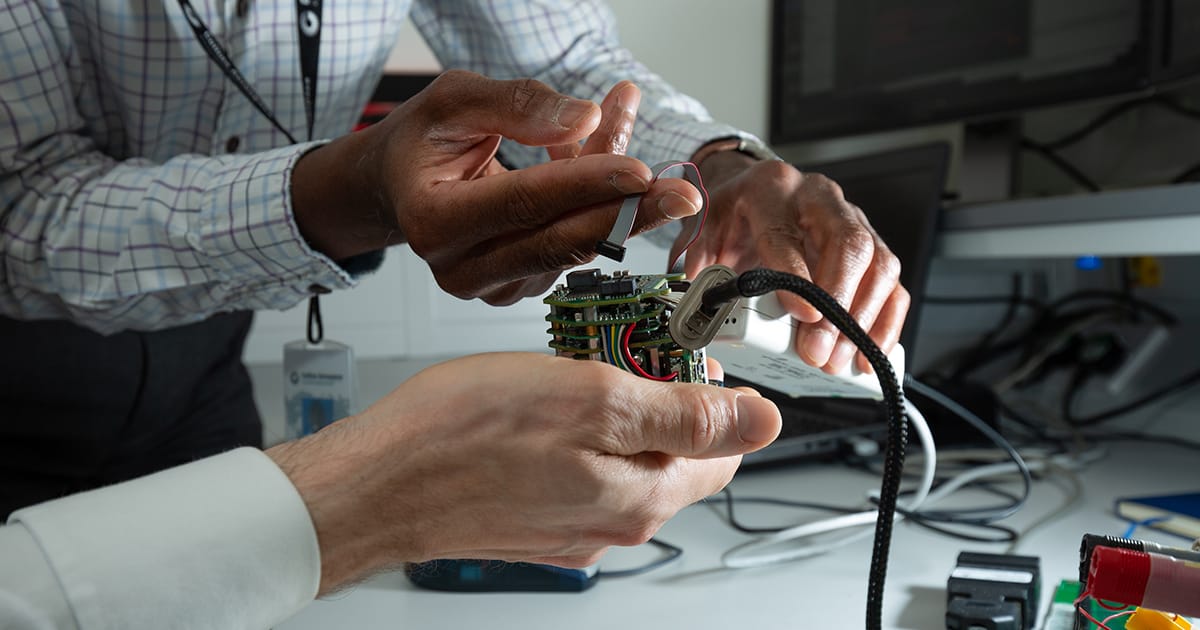
The new Kongsberg Discovery device uses Silicon Sensing’s latest generation inductive silicon MEMS gyroscope—the SGH03. This sensor is at the heart of Silicon Sensing’s range of high-performance products, including the tactical grade DMU41 9 degrees of freedom (DoF) inertial measurement unit and CRH03 single-axis gyro.