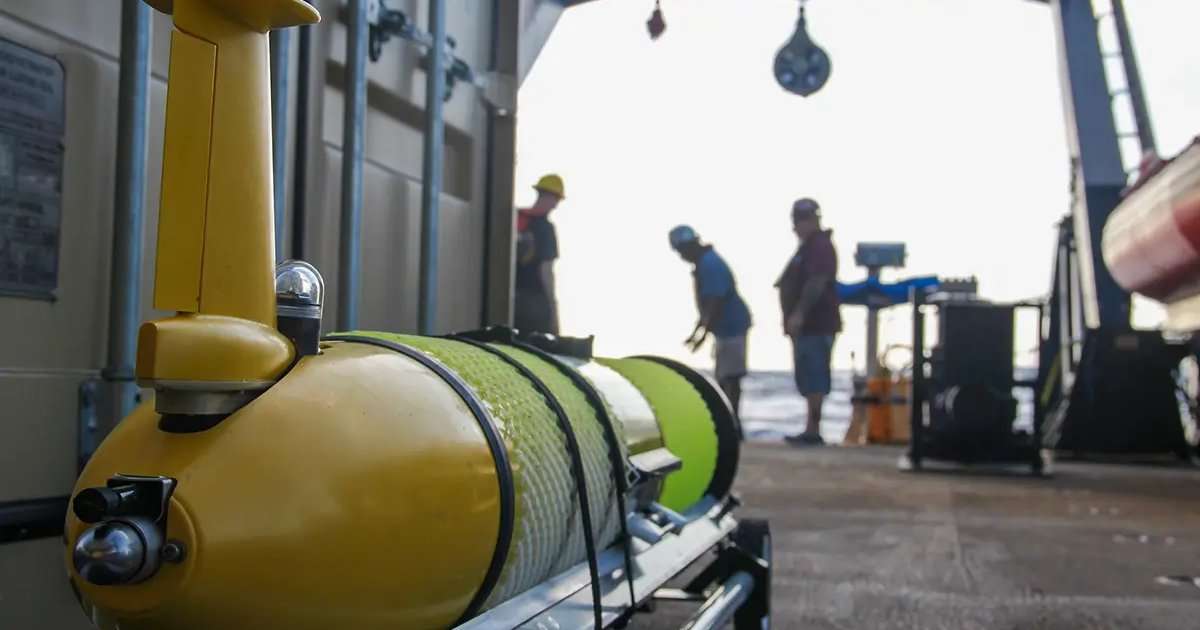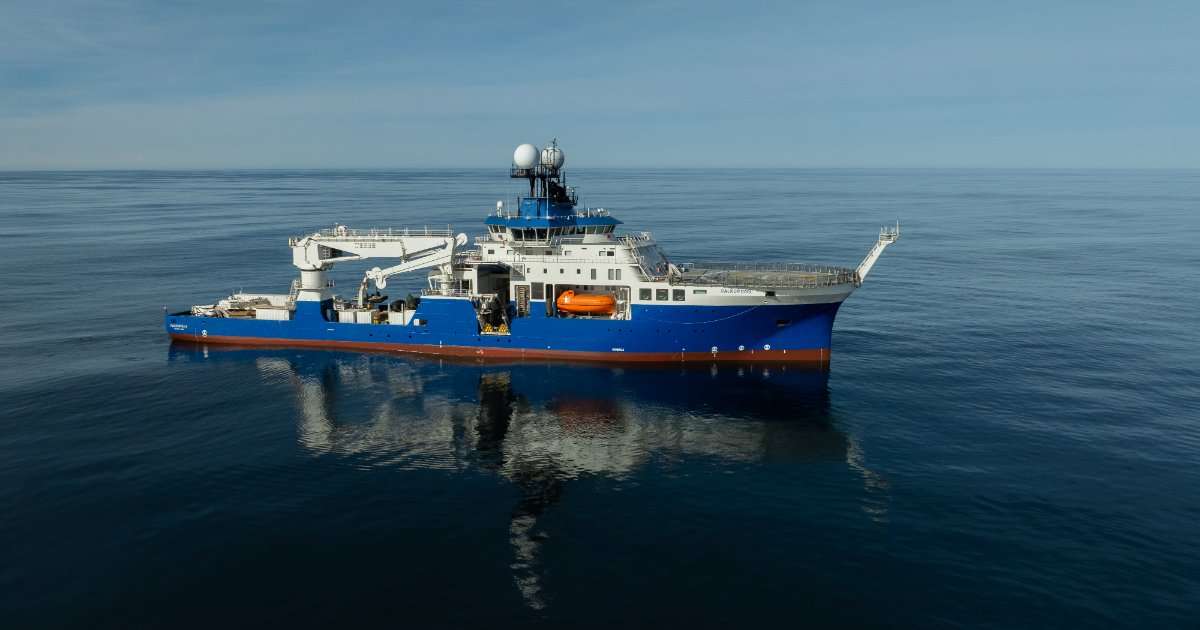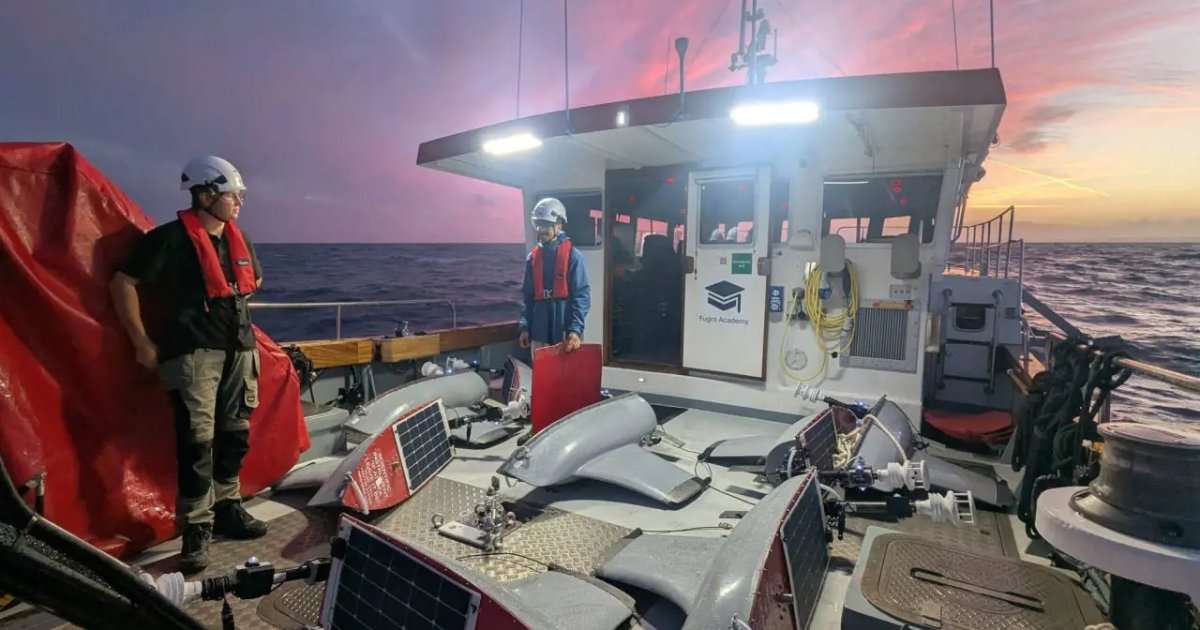
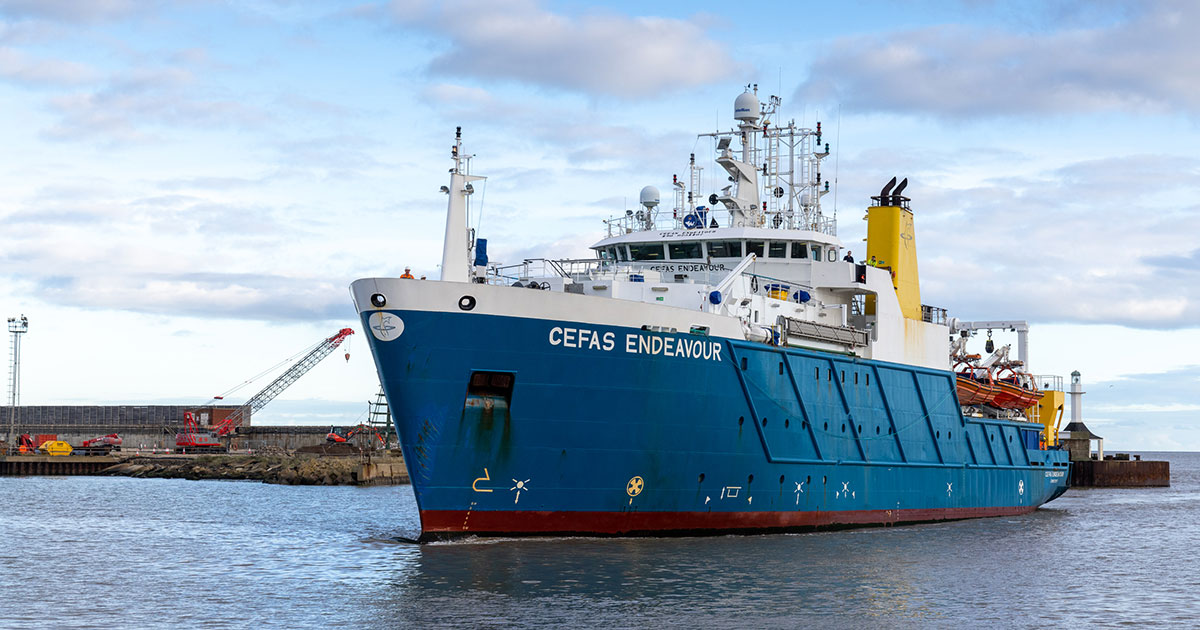
Throughout the four-week survey, using cutting‑edge survey technology deployed from the Research Vessel Cefas Endeavour, a team of 26 scientists from across the field of maritime research will collect vital hydrographic, geological, and environmental data when they set sail from Lowestoft next week.
Convening multiple government agencies, the survey represents an unprecedented level of collaboration within the maritime sector. By combining their skills and capabilities in a single survey, the team aims to secure data to deliver the UK government’s commitments and make advances in how our seabed is mapped, understood, and managed.
Eleven UK CSM member organizations are involved: the Maritime and Coastguard Agency (MCA); the UK Hydrographic Office (UKHO); British Geological Survey (BGS); Centre for Environment, Fisheries and Aquaculture Science (Cefas); Department for Environment, Food & Rural Affairs (Defra), The Crown Estate; Historic England; Joint Nature Conservation Committee (JNCC); Agri-Food and Biosciences Institute, Northern Ireland (AFBI); Natural England and the Royal Navy.
Over the course of the survey, the scientists on board will have the opportunity to work with experts from other public sector organizations, share skills, and source key seabed mapping data that supports a wide range of applications, including offshore energy and infrastructure, marine ecosystem science, safety at sea, marine policy, and defense.
The four-week research survey is due to take place between April 20 and May 19. This will consist of two survey legs, starting in Lowestoft, Suffolk, and ending in Falmouth, Cornwall. All organizations are supporting the planning of alternative sites to maximize the opportunity.
Marine Minister Emma Hardy said: “The UK is at the forefront of marine protection with a comprehensive network of 374 Marine Protected Areas, protecting more than 38% of our waters.
“This survey is an excellent example of our work in partnership to improve our understanding of our maritime estate, providing data to deliver our commitments and make advances in how our seabed is mapped, understood, and managed.”
Andrew Colenutt, Chair of the CSM2026 Project Team and Head of Hydrography and Meteorology at the MCA, said: “This is the first time that such a large-scale, multi-agency, collaborative survey has been undertaken in the UK, and it’s a really exciting venture. We are fortunate to have expert scientists and surveyors from across government who will collect a wide range of highly valuable data. The partnership approach provides opportunities to share knowledge and expertise, as well as providing invaluable training and offshore fieldwork experience.
“The alliance of organizations is working together to increase efficiencies for data collection, processing, and analysis under the gather once, use many times philosophy.
“Seabed mapping data provides the UK with a foundational basemap of its marine estate. Such valuable datasets are increasingly underpinning the maritime economy and energy security, enabling sustainable management of marine resources, development of marine policies and planning, and improves our understanding of the marine environment.”
Alison Pettafor, Oversea Territories Country Lead, Cefas, co-chair of the Project Team and Surveyor in Charge during the first survey leg, said: “This survey is an exciting opportunity and highlights the strength of UK Government organizations working together. It clearly demonstrates the benefits of a ‘collect once, use many times’ approach—combining expertise, sharing data openly, and building a clearer picture of our marine environment to support better decisions for the future.
“The project has received strong support from all partners involved and represents the most ambitious collaborative surveys undertaken on RV Cefas Endeavour to date. It could mark the beginning of a new era in how we map and understand our seabed.”
Rear Admiral Angus Essenhigh OBE, UK National Hydrographer & Director of Data Acquisition at the UKHO and chair of the UK CSM Steering Committee, said: “This joint survey is a fantastic example of what public sector collaboration can achieve when expertise, capability, and purpose are aligned. By bringing together organizations from across the UK maritime sector through the UK Centre for Seabed Mapping (UK CSM), we are not only improving how the seabed is mapped, but deepening our collective understanding of the ocean environment, while also providing an opportunity for various experts to learn from one another.
“High‑quality seabed mapping underpins everything from safety at sea and environmental protection to sustainable development and supporting national security. Working together through the UK CSM allows us to maximize the value of data, share knowledge, and deliver insights that no single organization could achieve alone.”