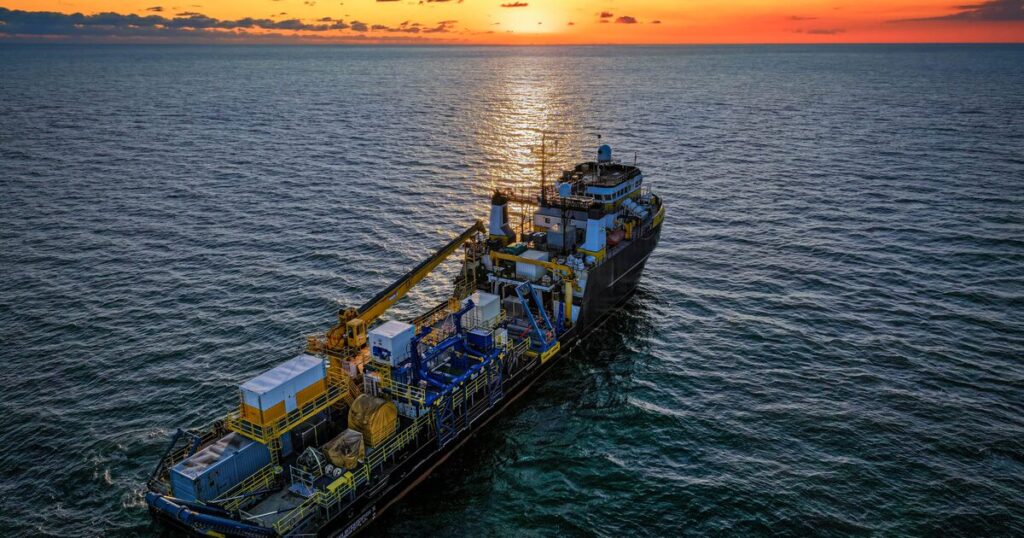
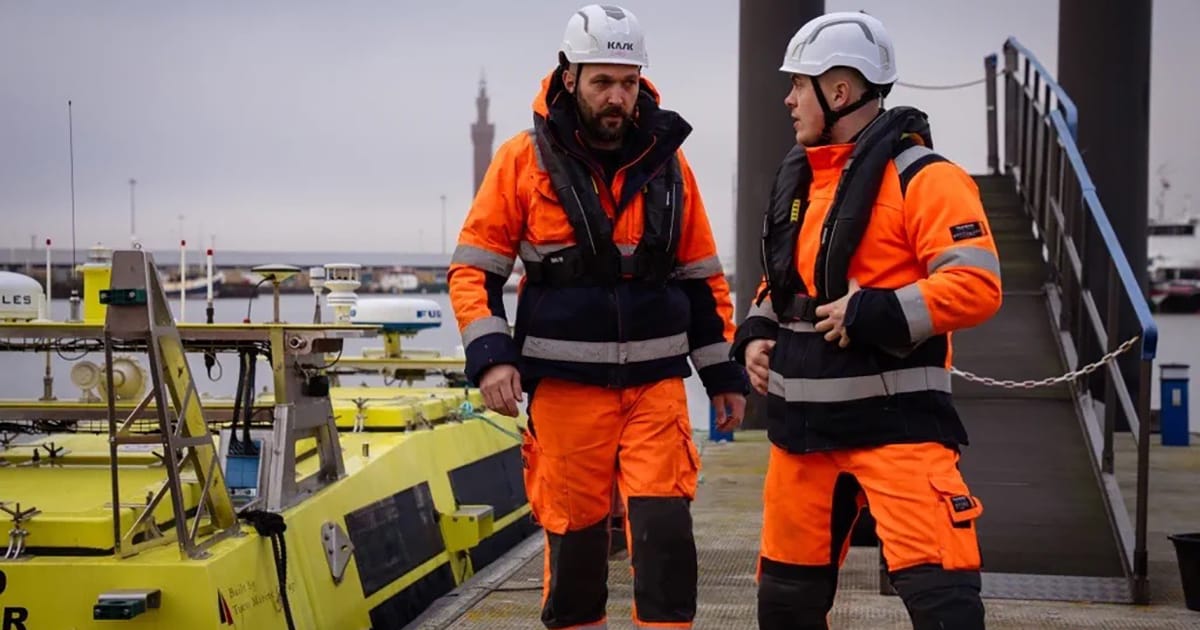
The team deliberately chose a USV for safety, sustainability, and efficiency. With no crew on board, injuries and accidents due to fatigue are eliminated, and there are fewer moving parts and less equipment to install and use. Operating without a crew means the vessel can stay offshore for longer, resulting in better data and reduced fuel use. This, in turn, means a significantly lower carbon footprint and less impact on the marine ecosystem.
Trials to date have proved effective, and the USV will go on to survey within the 696 km2 Hornsea 3 area for the installation of the turbines and the offshore cable route. The data will then be used to create a detailed overview to use when installing Hornsea 3’s foundations. The USV will also house radio equipment to expand communications capacity and will double up as a wave buoy to contribute to the wider weather picture across the wind farm.
Jason Ledden, Senior Project Director, Hornsea 3 at Ørsted, said: “We’ll be using this new technology on Hornsea 3 for almost two years, greatly improving the safety of our team who can operate the USV from onshore control rooms instead of venturing offshore. It will also save time and fuel and improve the information we collect—helping us build the world’s single largest offshore wind farm in the safest, most efficient and sustainable way possible.”
This USV used on HOW3 is developed and built by Ørsted and is part of Ørsted’s own fleet of USVs.