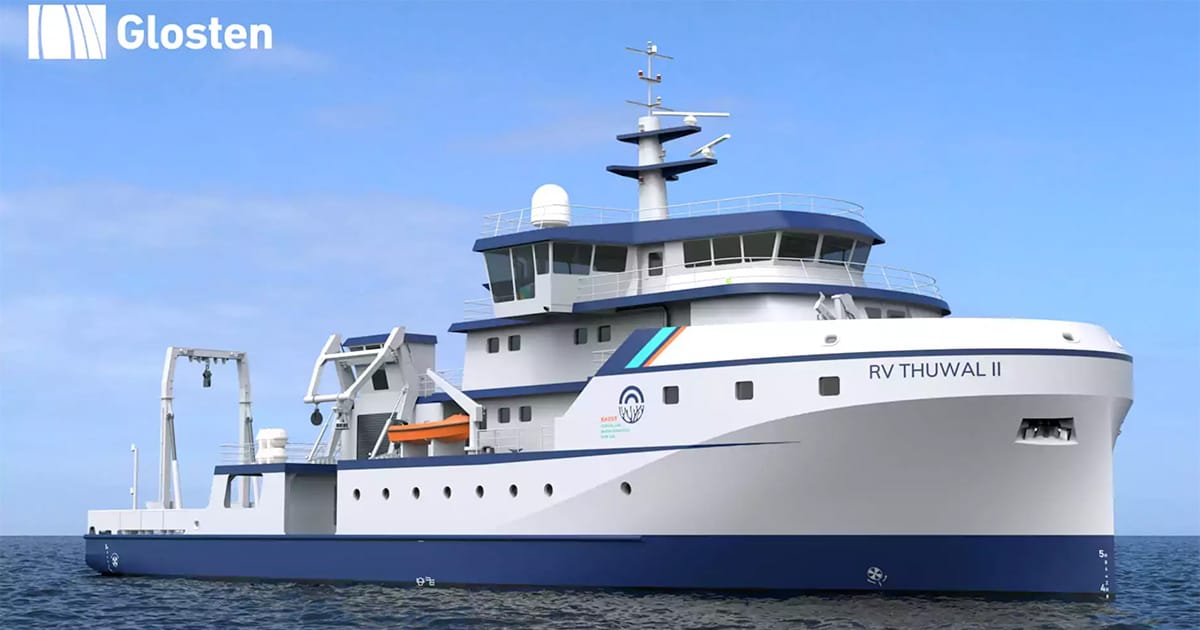
“The RV Thuwal II represents a decisive step in our commitment to strengthen Saudi Arabia’s scientific infrastructure and protect the Red Sea ecosystem. This new addition will open the door to high-impact technology collaborations in the region. Its commissioning promises to position Saudi Arabia as a world leader in marine research,” says KAUST.
“For Freire Shipyard it is an honor to contribute to the construction of a cutting-edge vessel such as the Thuwal II. This project symbolizes a joint commitment to scientific progress and innovation in marine research at an international level”, say Marcos Freire and Guillermo Freire, managing directors of Freire Shipyard.
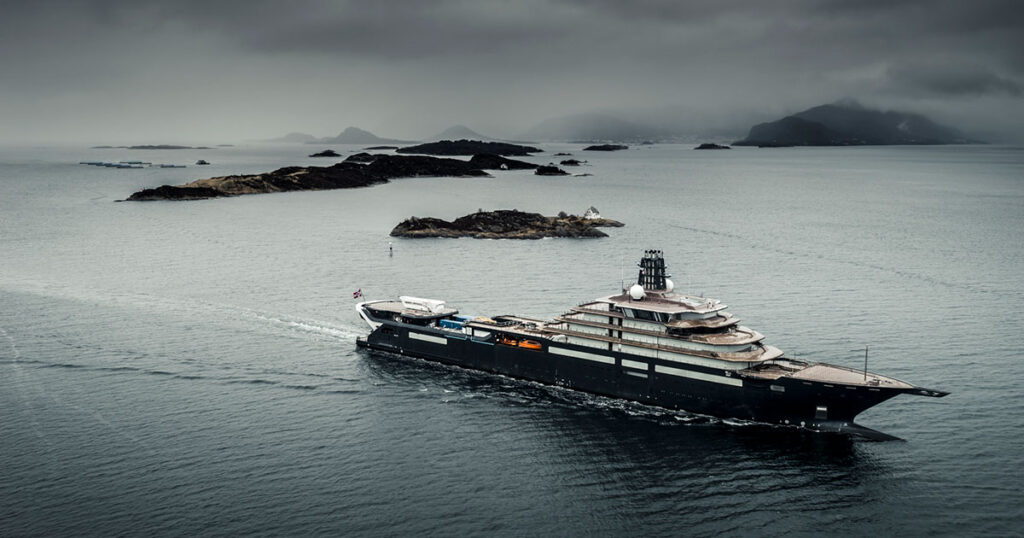
The oceanographic vessel, scheduled for delivery in 2027, will have a capacity for 30 people, a 50-meter beam, a 12.8-meter beam and a draught of 3.6 meters. Designed to operate for more than 30 years, its modular structure will allow the incorporation of various experimental laboratories, adapting to current and future marine technologies for the exploration of the Red Sea. This modularity will also facilitate the implementation of new eco-friendly propulsion technologies, reducing its carbon footprint over time.
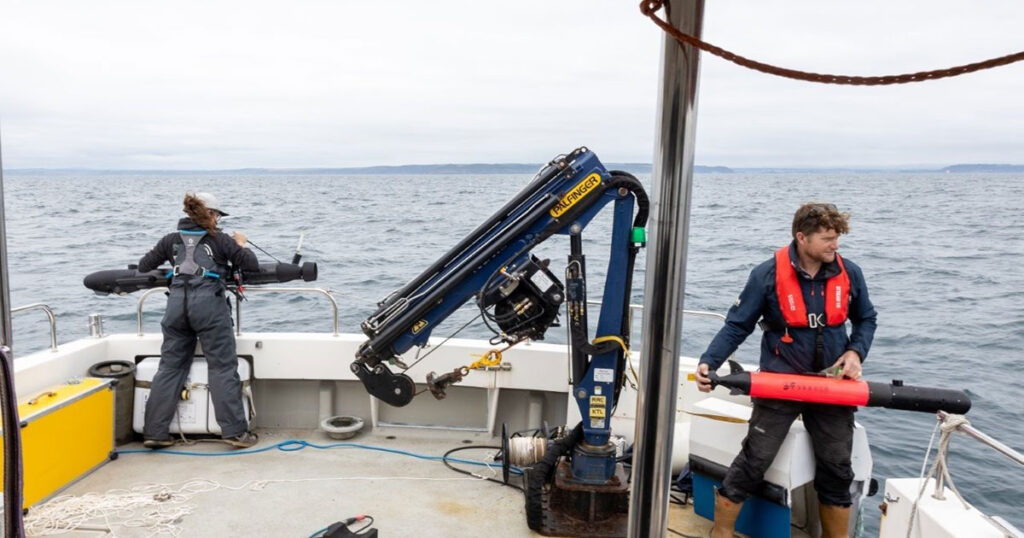
Thuwal II will be the most advanced regional-class research vessel in Saudi Arabia and will represent a significant advance in the scientific study of the Red Sea. It will contribute to knowledge in key areas such as coral reefs, marine biodiversity and geological formations, consolidating the country’s position as a leader in marine research in the region and fostering new opportunities for international collaboration. In addition to its scientific work, the vessel will be equipped to explore the deepest parts of the sea, deploy autonomous and remotely operated underwater vehicles, conduct visual and acoustic surveys, collect samples for seabed mapping and support national responses to emergencies, such as oil spills or maritime and air accidents in the Red Sea.