The research, supported by a £2.6 million European Research Council (ERC) Consolidator Grant, will explore whether microscopic organisms called diazotrophs could slow or even reverse this trend.
Subtropical gyres, often referred to as “ocean deserts”, cover more than 60% of the ocean’s surface. These regions are expanding at an unprecedented rate of five million square kilometers per decade—an area equivalent to the Amazon Rainforest or the entire European Union.
As global temperatures rise, scientists are concerned about the long-term impact of this expansion on marine ecosystems and the Earth’s climate, which would reduce ocean productivity, affecting marine food webs and the ocean’s role as a carbon sink.
The new project, called EXPAND, will focus on the Indian Ocean subtropical gyre, the least understood of these ocean deserts. It includes partners from France, USA, Canada and South Africa.
Project lead and NOC senior scientist Dr. Mar Benavides highlights the urgency of understanding what drives the expansion of ocean deserts—and whether biological nitrogen fixation can help counteract its effects.
“This research will reveal how marine microorganisms support ocean health and global biogeochemical cycles,” said Dr. Benavides. “We aim to determine whether diazotrophs—microorganisms that convert atmospheric nitrogen into nutrients—can sustain marine productivity in these expanding deserts.
“By uncovering the links between nitrogen fixation and marine productivity, we will be able to refine climate change models and improve predictions of how marine ecosystems respond to environmental changes. Ultimately, this project could offer new insights into mitigating climate change’s impact on our oceans.”
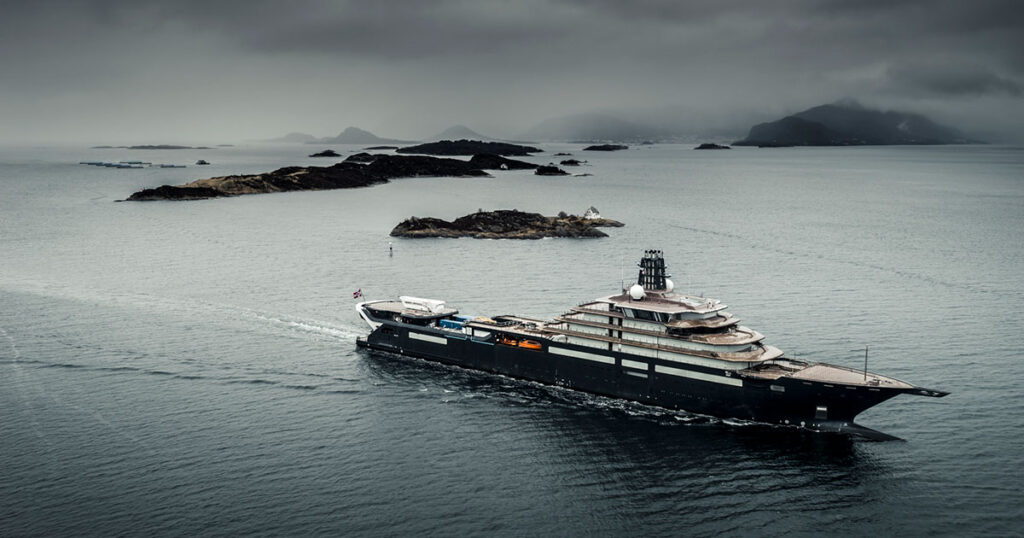
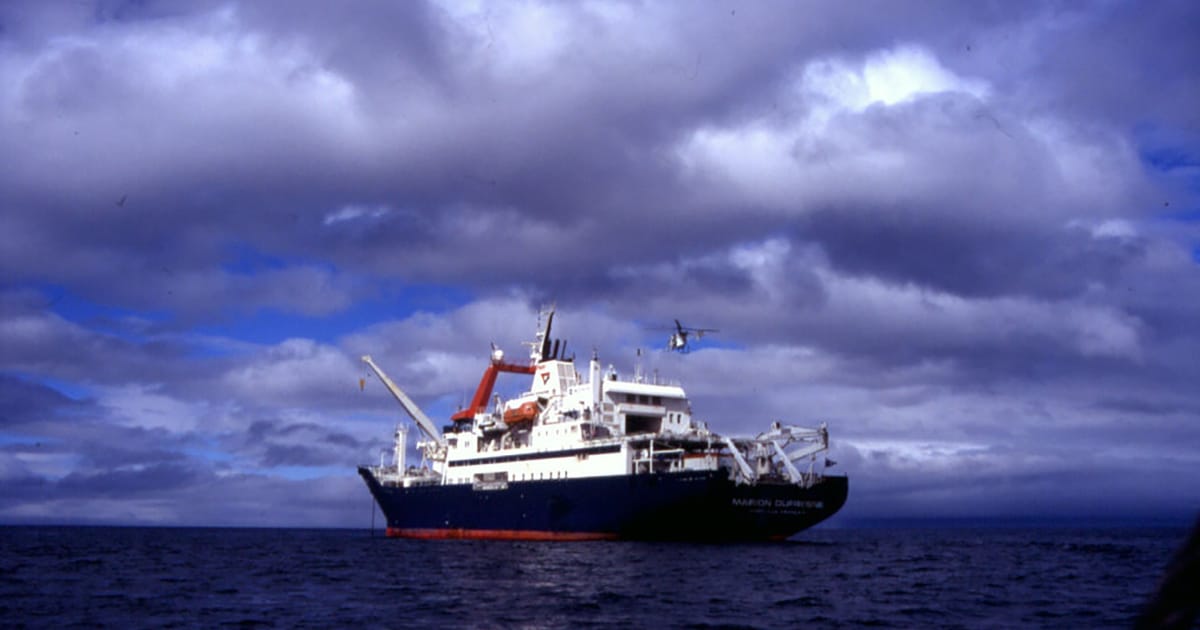
As part of the project, researchers will conduct two expeditions aboard the R/V Marion Dufresne. These expeditions will bring together experts in biogeochemistry, microbiology, physical oceanography, and ocean engineering to collect critical data from the Indian Ocean.
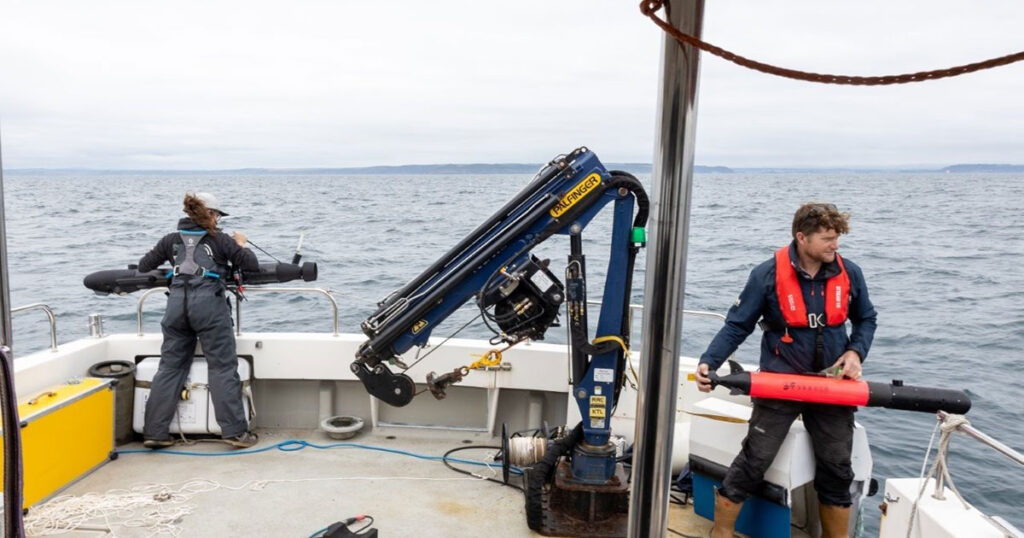
The project will also involve the deployment of innovative, advanced automated ocean observing equipment developed by NOC to monitor diazotroph activity and diversity over an entire year, allowing scientists to gather continuous data, even when they are not at sea.
The EXPAND project partners are the French National Centre for Scientific Research (CNRS), the French Institute of Research for Development, the Universities of California Santa Cruz and of Maryland (USA), India’s Physical Research Laboratory and the University of La Réunion and the University of Cape Town (South Africa).
EXPAND is an endorsed project of the Second International Indian Ocean Expedition (IIOE-2), the Integrated Marine Biosphere Research project (IMBeR), and the International Study of the Marine Biogeochemical Cycles of Trace Elements and Their Isotopes (GEOTRACES).