Over these two years, thanks to the port network of the Upcycling the Oceans project—created in 2015 and supported from the outset by Ecoembes—more than 225 tons of waste have been removed from the seabed. This has been possible thanks to the commitment of 35 ports and their trawler fleets, which have voluntarily integrated this passive collection into their daily activity without affecting operations.
Technological Innovation to Locate Floating Litter
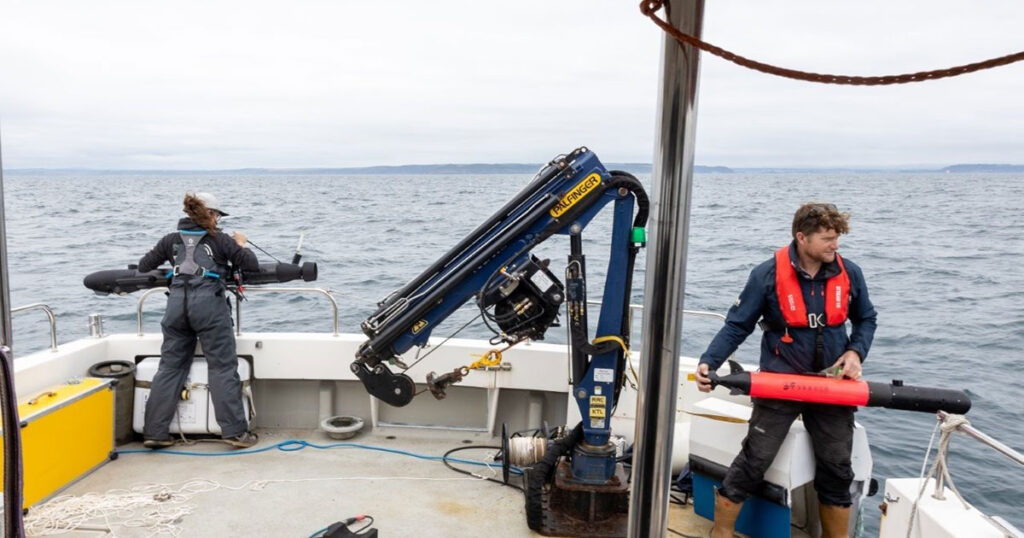
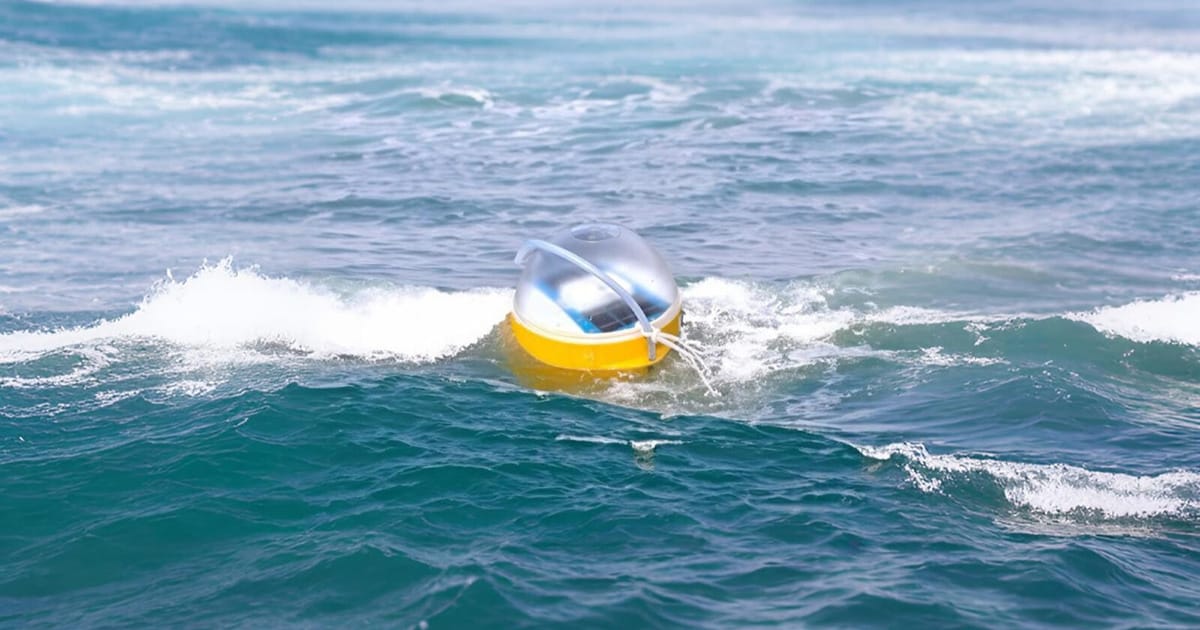
Santander for the Seas has promoted a pioneering pilot in the ports of Torrevieja, Delta del Ebre, and Port de la Selva, validating the use of Satlink’s smart buoys and current prediction software to identify and recover floating debris before it reaches marine protected areas. This system allows small-scale fishing vessels to actively participate by marking and signaling waste without the need to store it on board, and it has been very well received by the fishing sector. This application of smart buoys—initially developed for Satlink’s ReCon project—thus demonstrates their potential to strengthen citizen science and broaden the impact of technological solutions in marine protection.
Circular Economy, Awareness, and Partnerships
The project aims to actively contribute to cleaning the oceans and give a new life to marine litter through recycling processes. This initiative, based on collaboration with the fishing sector, public awareness, and environmental commitment, seeks to free the seas from waste. Thanks to the voluntary involvement of fishers, who collect debris trapped in their nets during fishing operations, this waste is brought ashore and properly managed, preventing further damage to marine ecosystems.
The collected waste is delivered to authorized local managers within the Ecoembes network for sorting and treatment, reinforcing the need to act at the source and promoting a circular economy that gives recovered materials a new life.
The project has strengthened its ties with the fishing sector through more than 90 port visits involving training, interviews, and feedback sessions, as well as 40 educational events and international forums, consolidating it as a replicable model of collaboration between science, technology, and traditional fishing practices.
A Model for the Future
This experience shows that marine protection is possible when built locally, on trust-based relationships and accessible technological tools. The results pave the way for scaling the model to more regions and fleets, integrating new technologies for marine observation and waste traceability, and strengthening networks of collaboration between fishers, NGOs, and administrations.