
Professor Andrew Sweetman of the Scottish Association for Marine Science (SAMS) made waves in 2024 when his team discovered that metallic nodules in the deep sea appeared to be producing oxygen. These nodules, which contain highly sought-after metals, could clarify how animal life is distributed thousands of meters beneath the waves, where sunlight cannot penetrate, calling into question the prevailing scientific understanding that oxygen production is linked to sunlight through processes such as photosynthesis.
But exactly how this oxygen is produced in the darkness of the deep ocean is still unclear. The Nippon Foundation has funded a three-year research project that convenes Professor Sweetman alongside geobiologist and Mars Rover veteran Professor Jeffrey Marlow from Boston University, and renowned chemist Professor Franz M. Geiger, of Northwestern University, to answer this question.
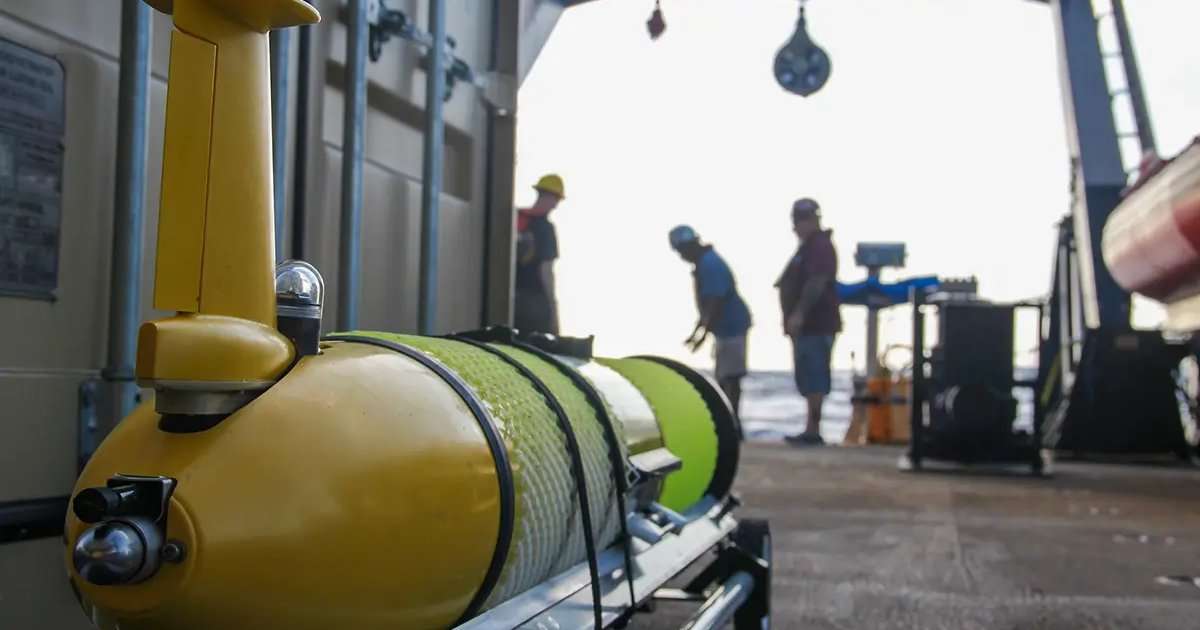
To find the answer, the team of leading experts, known as The Nippon Foundation—Dark Oxygen Research Initiative (DORI), has designed two highly specialized landers that resemble equipment more often associated with space exploration. Named Alisa and Kaia after Professor Sweetman’s daughters, they will determine if the nodules spontaneously interact with salt water to create electricity, whether there’s a biochemical process at work, or another, as yet unknown factor is at play.
Professor Sweetman said: “These landers are unique; they are the only instruments in the UK that can go to the deepest parts of the ocean—and they have to be able to withstand extraordinary pressures to answer one of the most fundamental questions we have about life in the deep ocean—how does it find oxygen to survive?”
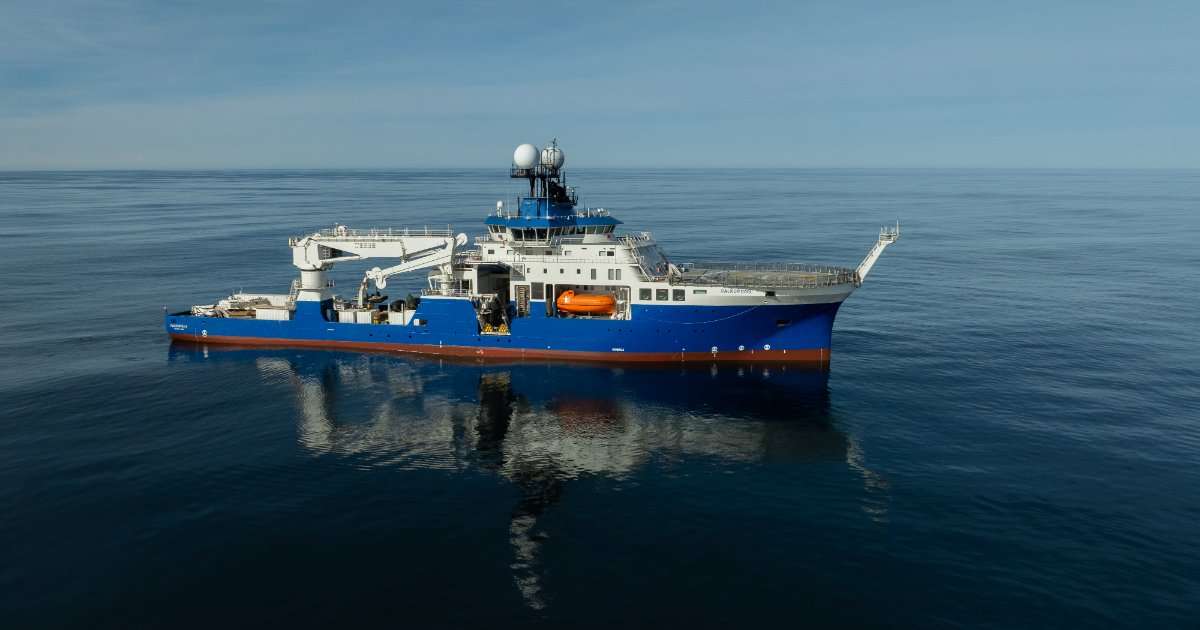
The Nippon Foundation’s funding includes the construction of the world-first landers. The landers will be submerged in the Clarion Clipperton Zone (CCZ) in the central Pacific Ocean in the spring, with initial results expected later this year. IOC UNESCO has endorsed the project as a UN Ocean Decade activity.
Mitsuyuki Unno, Executive Director of The Nippon Foundation, said: “In collaboration with the three leading researchers, we have embarked on this research to uncover the mystery of Dark Oxygen and deliver concrete scientific findings that will benefit all nations. The Foundation’s aim is to empower policy decisions and actions that responsibly balance deep-sea preservation with sustainable use on a global scale.”
Explaining DORI’s importance, Professor Marlow said: “There’s so much we still don’t know about how our planet works—these are the kinds of big questions often reserved for exploring other worlds, not our own. Given the amazing abilities that microbes have developed over evolutionary time, we’re excited to see what exactly they’re doing inside polymetallic nodules.”
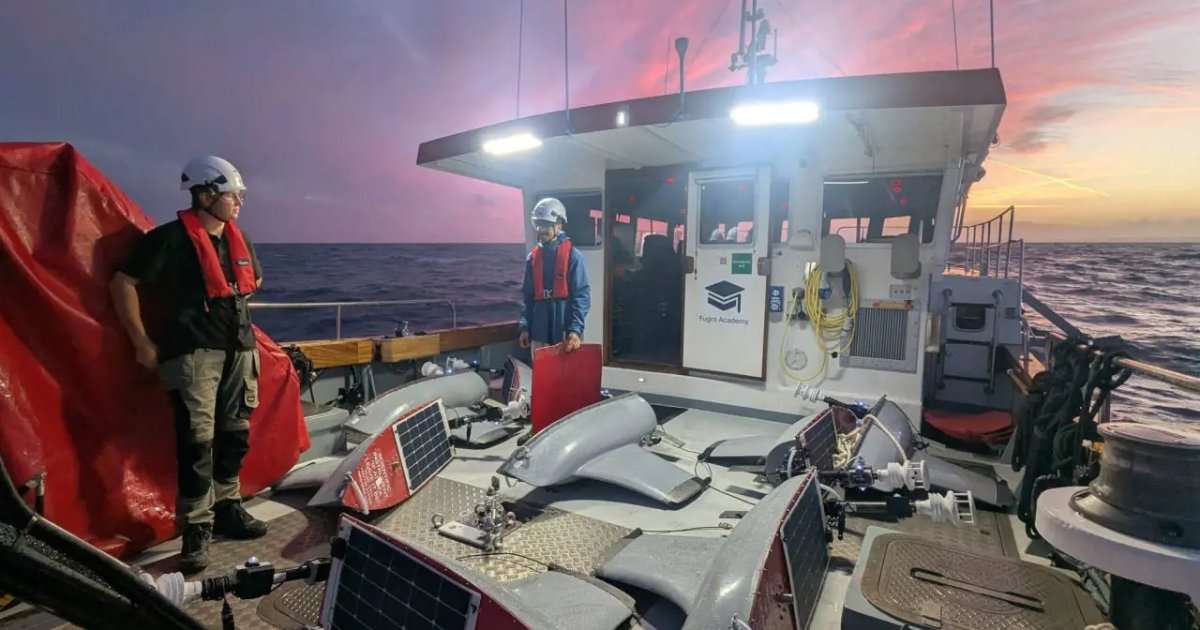
The research team will submerge the landers, along with a device known as an Aquatic Eddy Covariance (AEC) lander, which will measure the ‘flux’ of oxygen in the area to determine any patterns in oxygen production, and whether or not other environmental factors could be at play. Alisa and Kaia will collect water samples, take precise measurements from the nodules, introduce chemical tracers, and discover whether protons linked to water oxidization are present, a key differentiator between electrolysis and other potential oxygen-generating mechanisms.
Professor Geiger added, “While so much is unknown about Dark Oxygen and its sources, we have been able to measure sizable electrical voltages in controlled lab conditions, using some of the nodules recovered so far. But we still don’t know exactly how the electrical potential is established and how oxygen is being produced at the very high pressures found at the abyssal seafloor.”
“This work aims to identify the exact mechanism of how these nodules produce oxygen, whether ocean conditions contribute to the function, or if it’s something else entirely.”
Professor Sweetman added: “This truly is a global research initiative, and one which has global implications. We know there are several areas of the ocean where Dark Oxygen may have been identified. It is very exciting because whatever the research shows could help us answer some of the biggest mysteries about life on earth.”
For more information about Dark Oxygen, visit dark-oxygen.net.