“This marks an important step forward for KONGSBERG and the Norwegian defense and maritime industry, and we look forward to contributing our expertise and technology to develop the standardized vessels of the future in Norway and internationally,” said Eirik Lie, President of Kongsberg Defence & Aerospace. “A standardized fleet based on KONGSBERG and SALT’s expertise, in support of the Armed Forces and NDMA, will simplify maintenance, reduce costs, and ensure more efficient operations for the Navy,” said Lie.
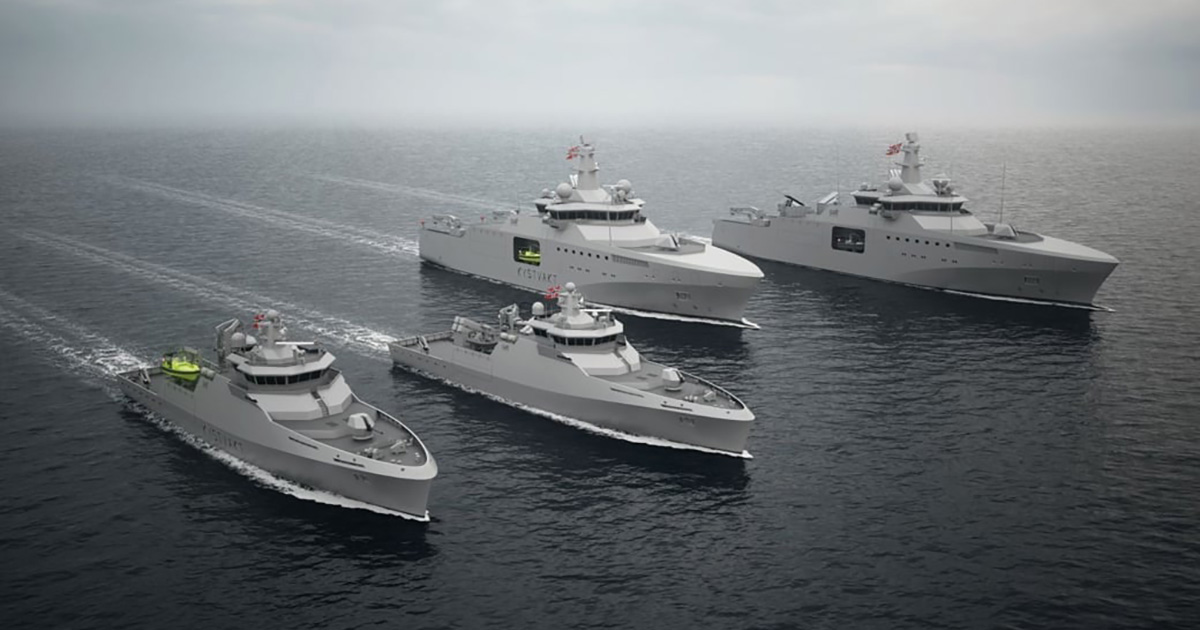
In January, the Norwegian Defence Materiel Agency initiated a prequalification process for the design of up to 28 new standardized vessels for the Norwegian Navy. The current fleet of more than 10 vessel classes will be reduced to a standardized fleet to streamline operations, increase operational flexibility, and extend the service life of the vessels. After two months, KONGSBERG and SALT have been selected as the winning team.
“Through our new office in Bergen, we have strengthened our team, and in collaboration with KONGSBERG we are establishing ourselves as a solid and trustworthy partner for the Norwegian Defence Materiel Agency locally and in the international naval market,” said Torbjørn Bringedal, General Manager of Salt Ship Design Bergen.
The Norwegian assignment facilitates the establishment of an international class of standard vessels, based on KONGSBERG and SALT design expertise.
In March, KONGSBERG, SALT, and Ottawa-based Adaptive Marine Solutions Inc. won a contract for the design of the Canadian Coast Guard’s new vessels, which will be built under Canada’s national shipbuilding strategy.
In the revised long-term plan for the defense sector announced on Friday, March 27, the Government said the deliveries of standardized vessels to the United Kingdom are part of the strategic agreement in connection with the Norwegian frigate procurement. Norwegian authorities have also entered into an agreement with Lithuania on the delivery of standardized vessels.
The Norwegian government said its goal was to contribute to increased allied standardization through closer and more binding cooperation with allies, and at the same time strengthen its national maritime and defense industry.
END