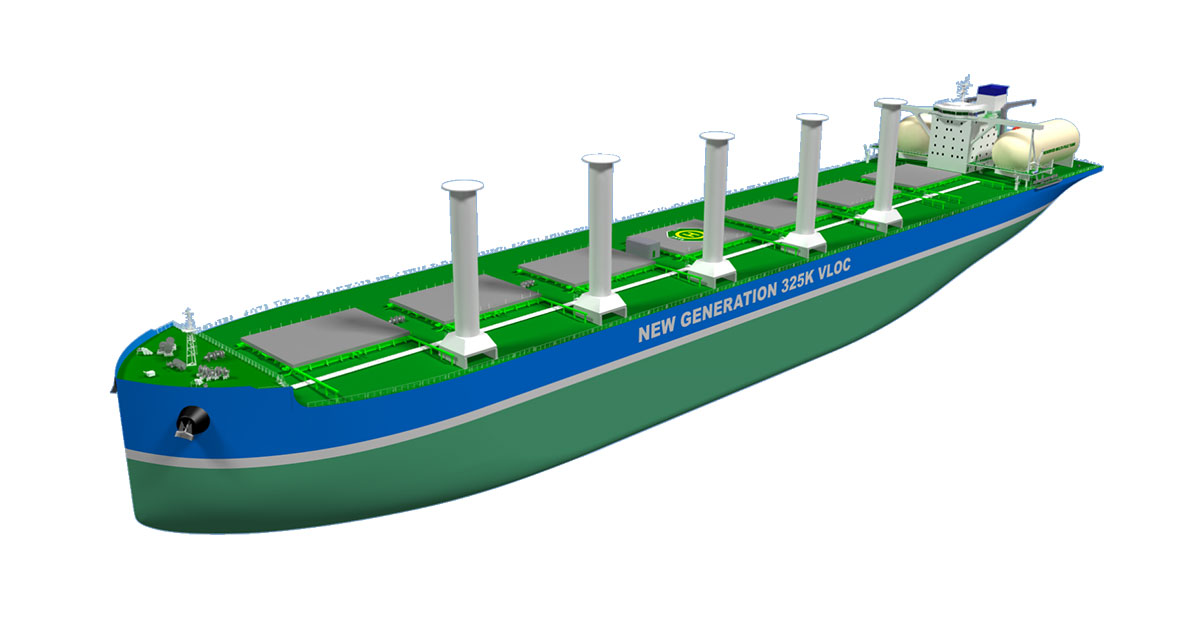
The engines will be the first of the X-DF-M/E platform optimized for primarily ethanol use. The fuel supply and injection pressure will be modified from WinGD’s methanol-fueled engine concept already in service to account for the difference in energy density between the two fuels, which otherwise share very similar properties and combustion characteristics. The contract includes options for further engine deliveries should the vessel series be extended.
WinGD Executive Director Sales Volkmar Galke said: “These first ethanol-fueled X-DF-M/E engines build on more than a decade of intensive investigation into alcohol fuels, including ethanol and methanol. Securing orders for a top-tier charterer and ship operator is the best possible validation of those efforts. This is a clear signal that the shipboard technology and fuel infrastructure around ethanol as a marine fuel are ready, giving confidence to others considering ethanol as an option for maritime decarbonization.”
Ethanol is gaining attention as a ship fuel due to its widespread and cost-competitive availability in several markets. These markets include Brazil, from where the vessels will deliver iron ore to China. According to Vale’s own investigations, the use of ethanol can reduce greenhouse gas emissions by around 90% compared with heavy fuel oil, depending on the fuel type and lifecycle assumptions.
Vale Director of Shipping Rodrigo Bermelho said: “The adoption of ethanol as an alternative fuel is part of Vale’s strategy to combine flexibility and efficiency in the ships that transport our ore and places the company in a unique position for the energy transition in global shipping over the coming decades, whilst driving similar initiatives in the sector. We are pleased to partner with Shandong and WinGD on the world’s first newbuilding order for ethanol-fueled ocean-going vessels.”
With the addition of ethanol-fuel capability for its X-DF-M/E platform, WinGD now offers unparalleled fuel flexibility across Diesel-cycle two-stroke engines. X-DF-M/E, alongside the ammonia-fuelled X-DF-A and high-pressure LNG-fuelled X-DF-HP platforms, are all based on the same robust engine architecture and injection concept—ensuring efficient conversion capability that does not lock owners into a single fuel option.
The engine deliveries are scheduled to take place in early 2029, depending on shipyard requirements.