The effort is part of preparation for RIMPAC 2026, but FLEET-X is designed to put greater focus on the companies, systems, and operational workflows that may help military units reduce downtime when critical equipment fails.
JIFX is the Naval Postgraduate School’s field experimentation program, where military teams, engineers, and private companies test new technologies in realistic conditions to see what works before it is used at scale.
During FLEET-X, teams will run the process from need to delivery. A part requirement is identified, digital files and system information are prepared, software tools help assign the request to the right manufacturing capability, partners produce the component using advanced manufacturing, and the finished part is delivered using unmanned systems across the test range.
The exercise is designed to test the connective tissue between capabilities that are often treated separately: manufacturing, AI-enabled decision support, data capture, tasking, delivery, and operational feedback.
“This is about production flexibility, speed, and effective system management,” said Ethan Brown, FLEETWERX Program Manager. “When parts fail, they can take larger systems out of service. FLEET-X is designed to show how industry partners, software tools, and unmanned systems can help reduce part production lead times and move useful capability closer to the point of need.”
FLEETWERX is coordinating the effort across military, academic, and industry partners, helping ensure the full process works together as one system rather than a series of disconnected demonstrations.
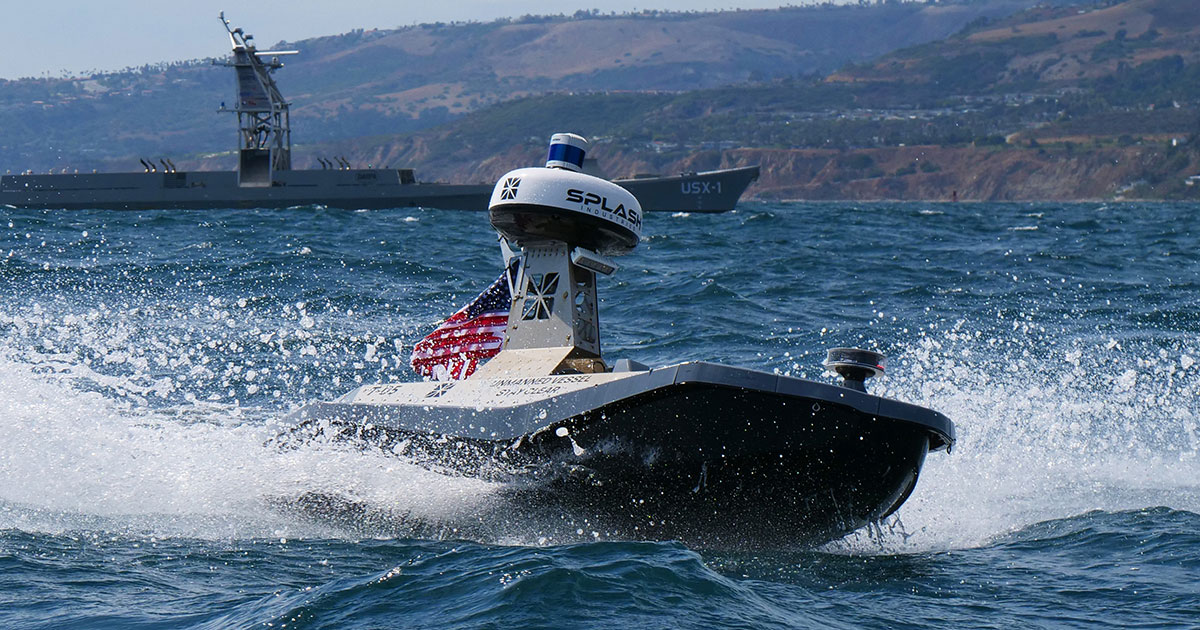
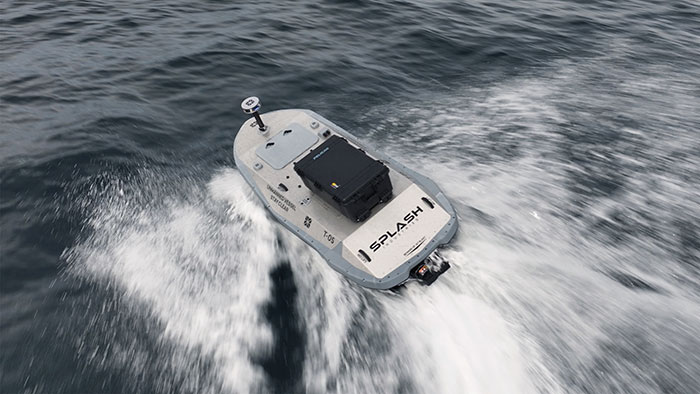
The exercise will also test how unmanned systems can support delivery, especially in situations where traditional logistics may be slow, limited, or unavailable. Teams will plan and execute delivery missions, tracking how quickly parts can move from production to the point of need.

“Making a part is only part of the challenge,” said Chris Curran, CAMRE Program Manager. “FLEET-X gives us a practical way to understand how advanced manufacturing, AI-enabled workflow tools, and autonomous delivery systems perform together in field conditions, and what needs to improve before those capabilities are used at larger exercises and in real operations. Using these tools, we can produce quality parts that solve warfighter requirements rapidly until the traditional supply system can be utilized.”
The effort also reflects a broader operational problem facing deployed units: keeping ships, aircraft, and other systems in fighting trim during long missions when traditional supply lines may be stretched, delayed, or contested. The work has clear relevance for extended deployments, Indo-Pacific logistics challenges, and recent operational lessons from efforts such as Operation Epic Fury, where faster repair and sustainment at the edge can matter as much as initial deployment speed.
One anticipated example is Re:3D’s work to print drone components for an operational unit, a practical use case that connects distributed manufacturing to current mission needs in environments such as CENTCOM. Other partners will help test how requests are captured, assigned, produced, and delivered so the military can better understand what is ready now and what still needs refinement.
The goal is to identify what works, what needs improvement, and what must be ready before larger exercises like RIMPAC. The effort will also help industry partners better understand how their technologies fit into real-world military workflows and timelines.