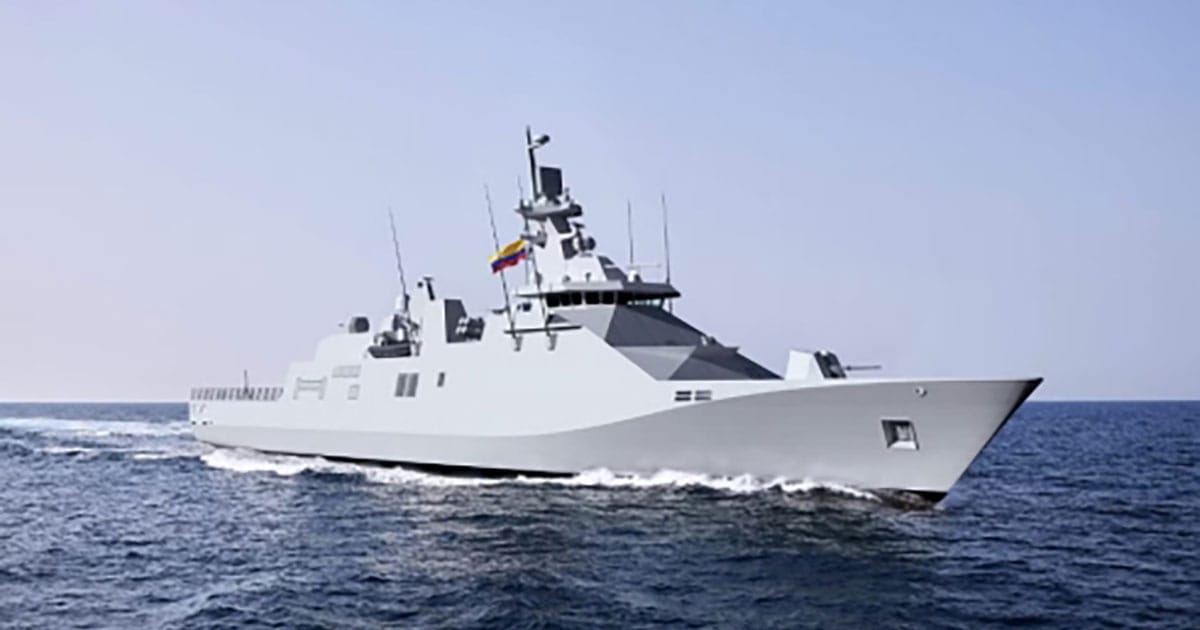
The frigate is part of the Colombian Navy’s Plataforma Estratégica de Superficie (PES) program and will be based on Damen’s SIGMA design, which has proven popular with a growing number of navies. The SIGMA vessel range uses modular platform components, enabling customization for specific, domestic operational needs. Damen Naval will provide design, engineering, technical support, and materials, while COTECMAR will construct the frigate locally.
The selection of the Everllence 20V28/33DSTC engines marks a significant milestone in the ongoing collaboration between COTECMAR and Damen Naval as part of Colombia’s ambitious naval modernization program. The engines will serve as the main propulsion units for one of the country’s most advanced surface combatants to date, combining state-of-the-art maritime engineering with operational reliability and power efficiency
The Everllence 20V28/33DSTC engines are known for their compact design, high power-to-weight ratio, and exceptional durability in demanding naval environments. Featuring sequential turbocharging and advanced digital control systems, these engines offer optimal performance for multi-role frigates tasked with maritime security, patrol, and defense missions. Arno Berghuis, Strategic Purchaser at Damen Naval, said: “With our strong partnership, we are able to deliver high-end proven naval solutions within our frigate design, tailored to our customers’ unique requirements.”
Ben Andres, Vice President, Head of Medium & High Speed at Everllence said: “We are very proud of this order for Everllence as PES is currently one of the major frigate-modernization programs in all of South America. In general, the 20V28/33DSTC has a proven track record among many navies around the world. This order marks another milestone in our long-standing partnership with Damen and the Colombian Navy.”
The frigate project represents a broader strategy by the Colombian government to strengthen national maritime defense capabilities while also promoting domestic industry participation through technology transfer and skilled job creation.
Delivery of the engines is scheduled for late 2026, aligning with the ship’s construction timeline, while sea trials are scheduled for 2029.