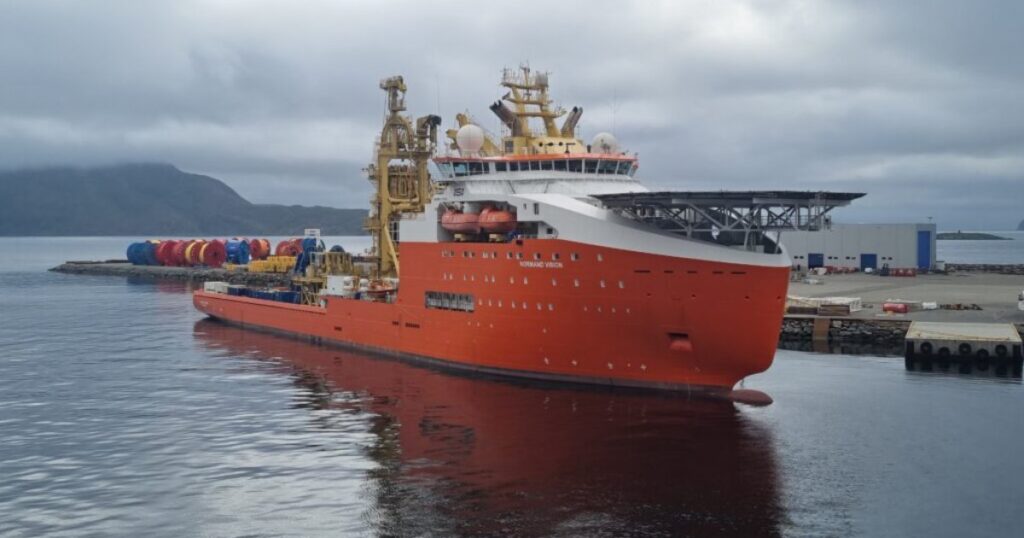
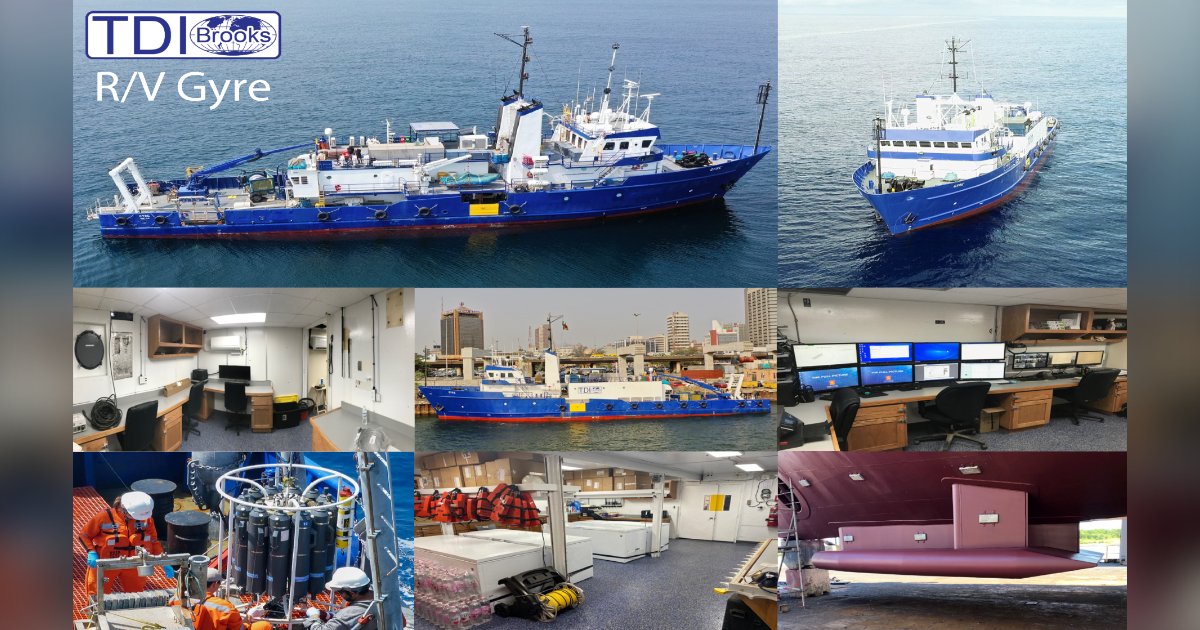
- The MBES is designed to map underwater terrain, aiding in identifying sea-bottom anomalies and supporting the safe selection of future drilling locations. More specifically, the MBES identifies seabed geomorphologies (pockmarks, mud volcanoes, faults, etc.) and the presence of anomalous features (carbonates, outcrops, bacterial mats, etc.); it also performs water column imaging for the detection of anomalies related to seepage of hydrocarbons through the sea bottom.
- Seabed Geochemical Sampling is conducted through piston coring to collect evidence of migrated mature hydrocarbons (detection of fluorescent/natural oil compounds, hydrocarbon chromatography, thermogenic origin, etc.)
- Heat Flow Measurements are being performed to collect information about the relative sediment temperature and the thermal history of the undrilled Harper basin.
This project completion is expected by Q4 2026, allowing for the integration of the data into a refined 3-D data re-interpretation of the numerous leads (basin floor fans) within the Blocks.
All of these program initiatives are focused on identifying drillable prospects and assisting in the selection of optimal drilling locations.
Sergio Laura, BluEnergies’ VP of Exploration, stated: “The West Africa Transform Margin, where the Harper basin is located, and its conjugate South American Margin are regions where basin floor fan plays are being actively and successfully explored, developed, and produced. The recent, hectic activity by major oil companies in securing licenses for deepwater acreage along the entire Africa west margin is confirmation that the early move by BluEnergies in the Harper basin (2023) was a valid one. The Jubilee field in Ghana, the Venus field in Namibia, and the recent discoveries offshore Cote d’Ivoire have proven the significance of basin floor fan plays along the African margin.”
To learn more about TDI-Brooks Seabed Geochemical Seep Hunting Capabilities, visit: https://www.tdi-bi.com/seabed-geochemical-seep-hunting/