GlobalData’s latest Fleet Size database indicates that 61.6% of Australia’s military fixed-wing fleet has an average age of less than 10 years, with a further 17.1% in the 10–20-year band. This indicates that the country operates a relatively modern inventory of aerial platforms. As additional modern aircraft enter service, this profile improves further. The advantage is not the age of the fleet alone: it is the ability to sustain readiness without accelerating fatigue across a small number of heavily tasked airframes.
Harpreet Sidhu, Aerospace and Defense Analyst at GlobalData, commented, “The P-8A Poseidon force gives Australia the operational elasticity to run concurrent missions, with one aircraft airborne, one preparing, one returning, and others in training and deeper maintenance, without hollowing out readiness. That is what turns maritime surveillance into a persistent activity rather than an occasional posture.”
The unique strength of the P-8A in Australia’s context is that it compresses the time between ‘something is out there’ and ‘we know what it is.’ During maritime security missions, detection without classification is often just noise. Coordinating P-8A aircraft can support persistent undersea and surface awareness and enable forces to detect, localize, track, and plan responses along the vast swath of Australia’s maritime borders.
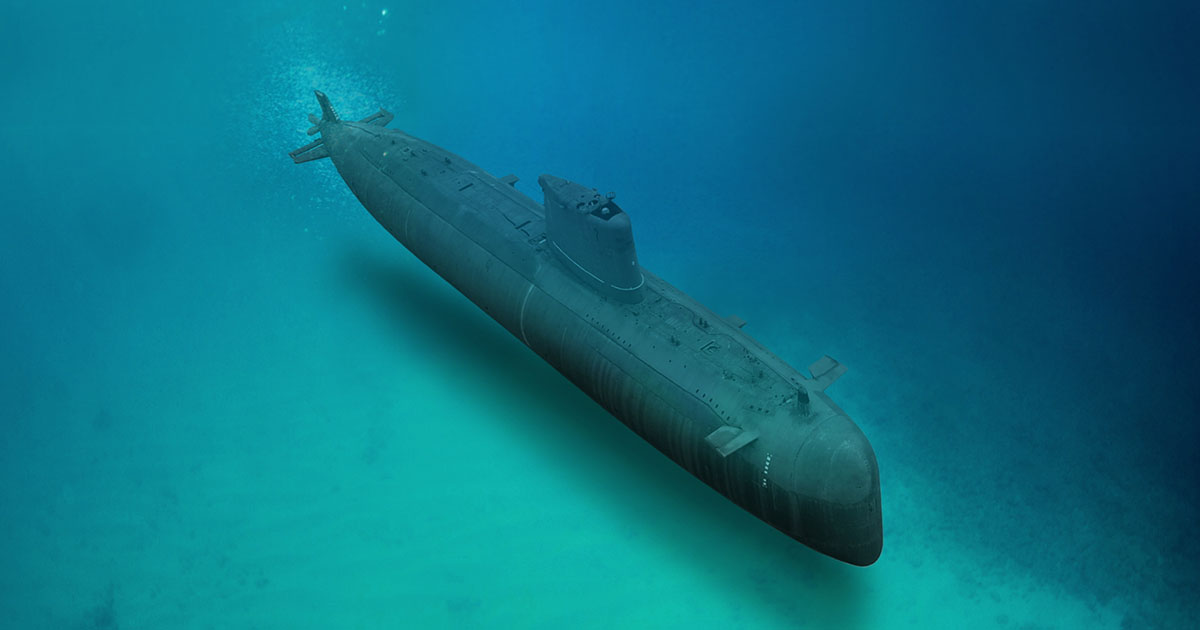
Sidhu concluded: “Amid increasing Chinese submarine activity in the Indo-Pacific, Australia is seeking to field platforms capable of deterring incursions into its territorial waters. The P-8A Poseidon is a highly capable anti-submarine warfare aircraft: it can not only detect and track submarines but also engage them with onboard torpedoes. As a result, the knowledge that Australia operates a full fleet of P-8As is itself a deterrent, one likely to make any PLAN submarine commander think twice before entering Australian waters.”