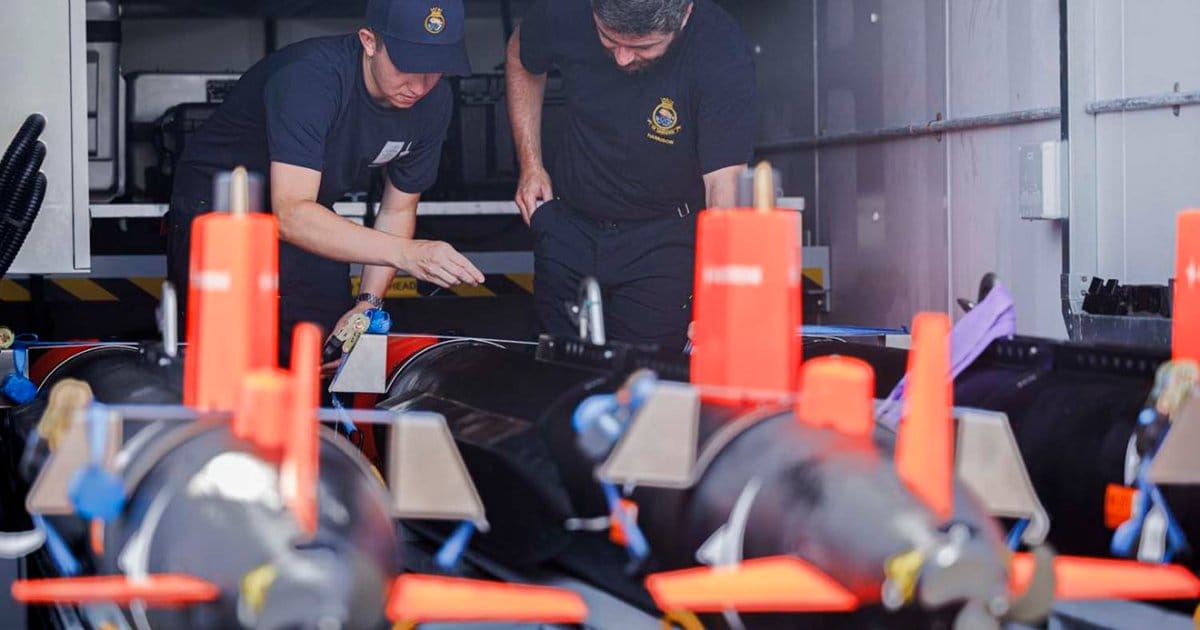
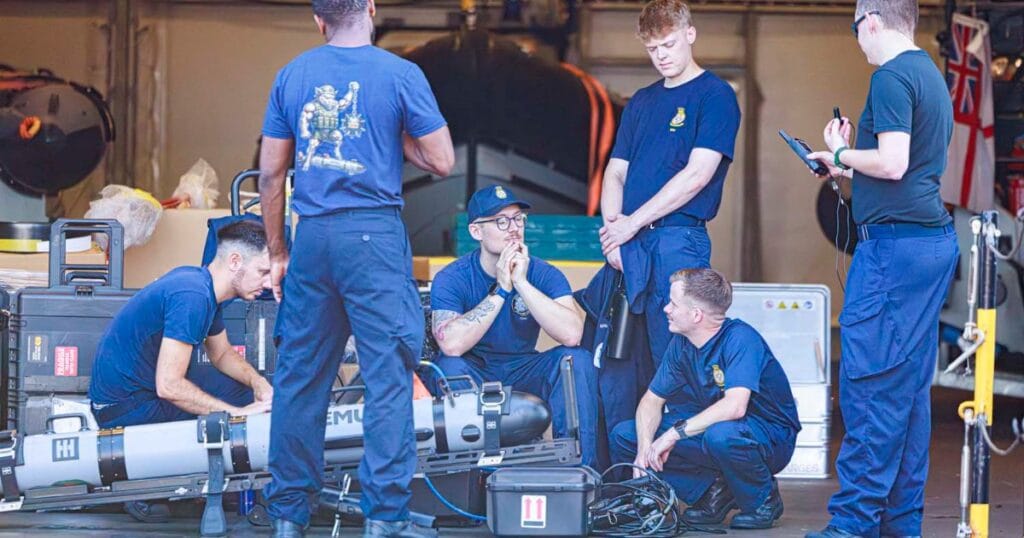
X-ray Squadron from the Mine and Threat Exploitation Group (MTXG) embarked on HMS Stirling Castle to carry out training with the crew.
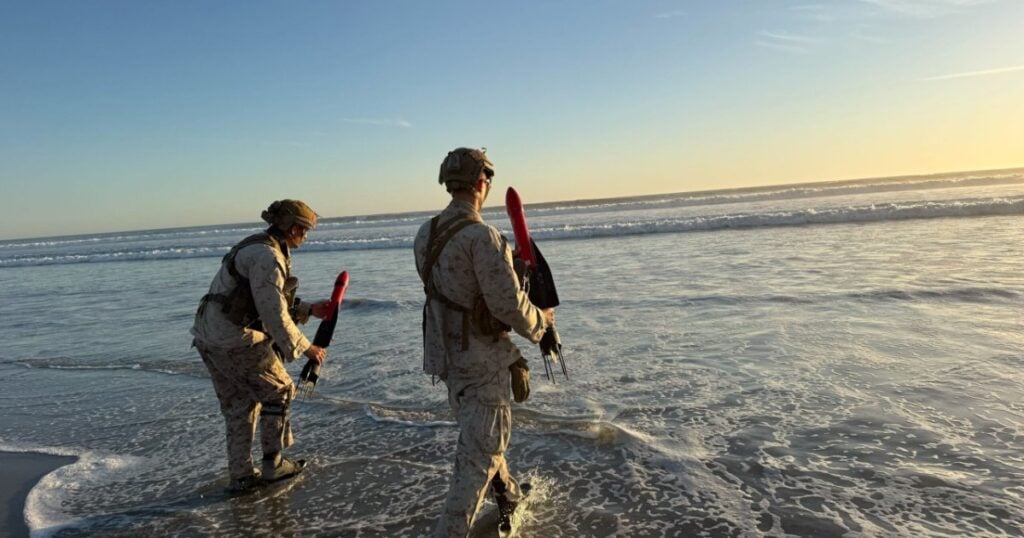
They deployed their Remus 300 underwater uncrewed vessel (UUV) to scan the seabed and identify possible threats in a real-life training scenario. They also conducted drills and exercises with the ship to ensure they could sail long-term on Stirling Castle and be prepared for any emergencies.
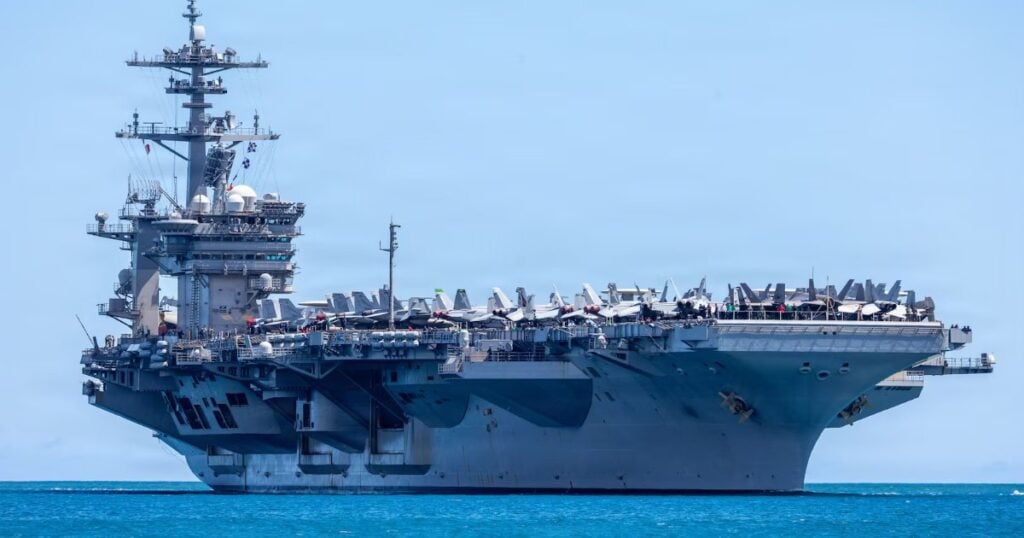
Their time on the ship, which has recently been commissioned into the Royal Navy from the Royal Fleet Auxiliary, helped with their pre-deployment training as they get ready to operate in the Middle East.
Accuracy assessments have been completed for crewless vehicles to ensure they can detect objects and potential mines while simultaneous boat coxswain training took place to ensure all operators are competent in boat handling.
Units from X-ray Squadron joined fellow personnel from Yankee Squadron in joining RFA Lyme Bay as the RFA ship became a minehunting mothership. A small group were deployed to Gibraltar to help load the kit which will be used in a joint operation with RFA personnel, Marine Nationale, Mine Warfare Battle Staff, Diving and Threat Exploitation Group, and MTXG.
This combined task group is pushing the limits of modern minehunting capabilities if called upon to clear one of the busiest shipping lanes in the world.
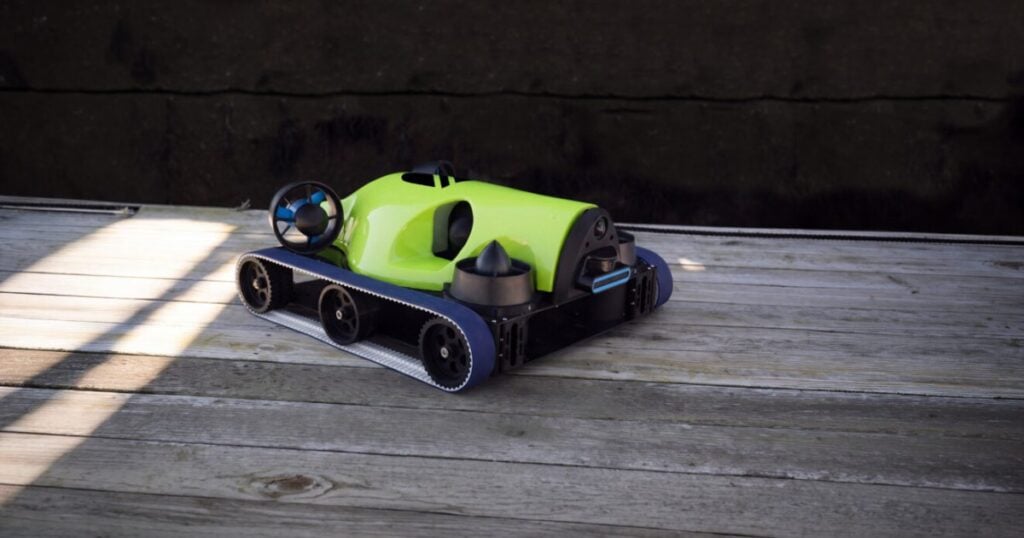
Personnel from MTXG will be operating a range of specialist equipment including two classes of crewless/autonomous boats, capable of launching towed sensors or remotely-operated submersibles autonomous 2D/3D sonar systems; Video Ray Defender-Viper portable mine disposal submersibles, capable of locating, identifying, and destroying mines.
The kit on board RFA Lyme Bay has been thoroughly tested in UK waters in a range of different operational environments and Zulu Squadron has continued to put more technology through its paces.
Personnel from MTXG are on RFA Lyme Bay as the ship became a minehunting mothership. Picture: LPhot Connor Kilbride
Personnel have been working with industry partners Thales for training on MMCM systems which look to replace crewed vessels with uncrewed systems operated remotely from a hub ashore.
Using sub-surface autonomous vehicles, operators can detect, classify, and identify contacts while remaining safely outside the threat area.
Recent training has focused on the Portable Operations Centre (POC) containers—the deployable nerve center of the system. MTXG personnel have been learning how to transition these containers into a fully operational command center, capable of planning, controlling, and executing mine countermeasure missions.
The hands-on package is equipping operators with the skills required to rapidly deploy MMCM in a variety of environments, whether ashore or embarked.
Meanwhile operations from Zulu Unit 2 have received training on the Seacat UUV from MTXG’s Operational Conversion Unit in Faslane. The training will introduce the equipment to some and further enhance the knowledge of the experienced operators within the squadron.
They have the important role of directly supporting the Royal Navy’s CASD activity through detecting and identifying seabed objects in the Clyde areas.
As well as supporting Zulu Squadron, the OCU has also been routinely delivering new and revised training courses including the Seebyte Integrated Training Tool, Video Ray Defence, and Seacat medium UUV. They have added the Maritime Reserves to their list of clients too.
MTXG has also spent time this year working closely with the Hydrographic Exploitation Group to strengthen collaboration for Royal Navy teams using autonomous technology.
Building on shared interests in the navy’s move towards becoming a Hybrid Navy, both groups have aligned their efforts through joint use of equipment such as the Gavia autonomous underwater vehicle for seabed mapping and object investigation.