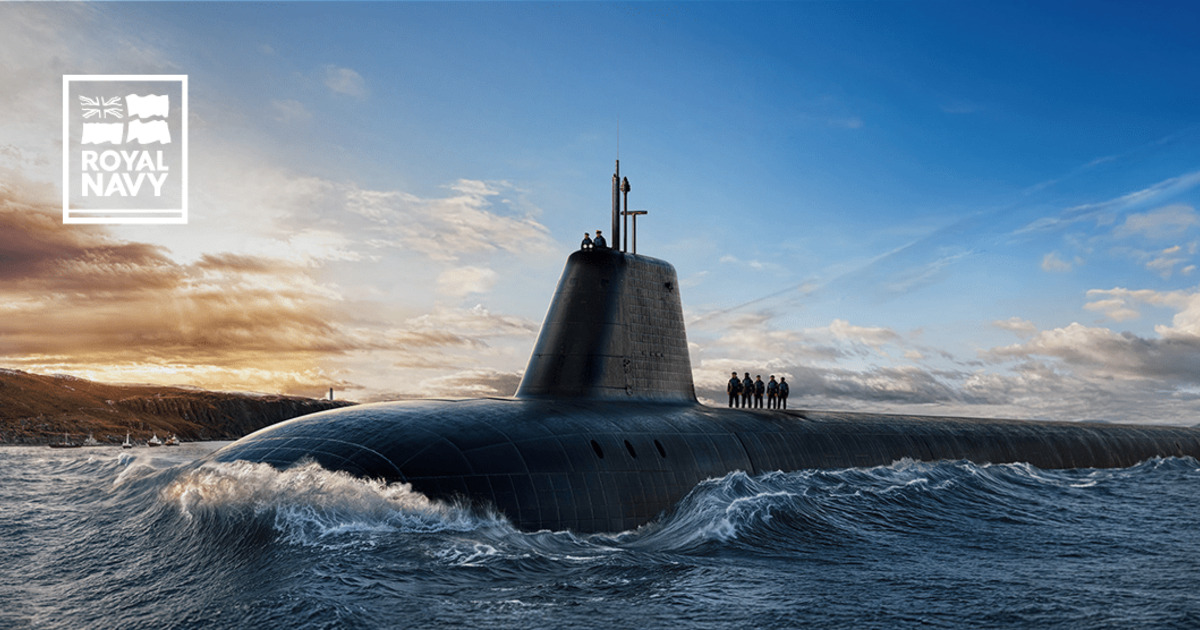
The cash—the fourth phase of production of the biggest submarine construction project in a generation—will carry the program through to key milestones early next decade and provide funding to the completion of HMS Dreadnought‘s sea trials and entry into service; completion of the second boat, HMS Valiant, through to her beginning sea trials; ongoing work to complete boats 3 and 4, HMS Warspite and King George VI.
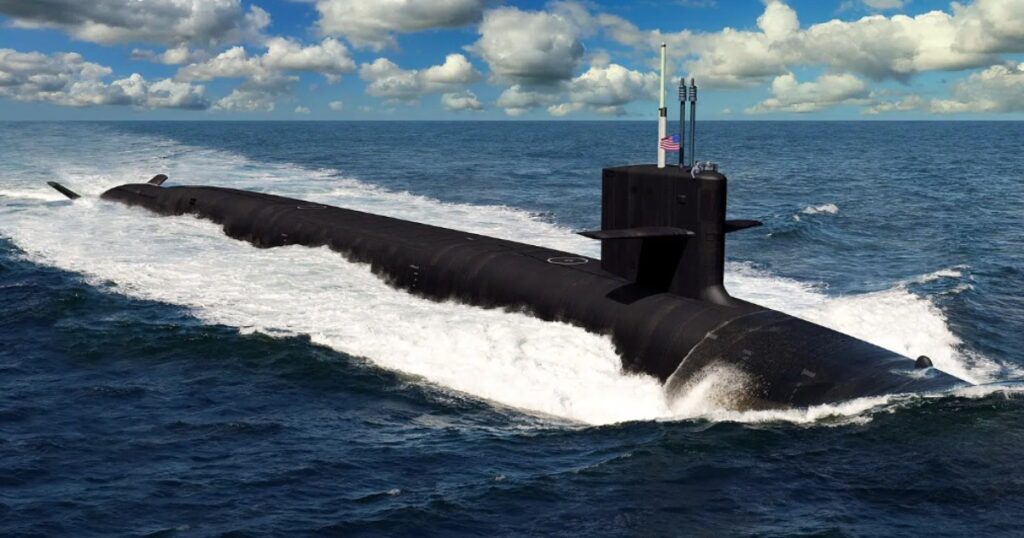
Displacing over 17,000 tons, more than 500 ft long and with a crew of around 130 each—making them slightly larger than the current Vanguard-class—the Dreadnoughts will pick up the baton of Operation Relentless, the nuclear deterrent patrols carried out by the Silent Service 24/7/365 since 1969.
The latest investment in the Dreadnought project was announced by Prime Minister Andy Burnham who visited a BAE Systems facility in Barrow with Defence Secretary Wes Streeting to meet some of those involved in assembling the new boats.
Aside from being a welcome boost for the Royal Navy in replacing the long-serving quartet of Vanguard-class submarines (the oldest is 33, the youngest 27), the program to replace them sustains and creates thousands of highly skilled jobs (1,800 jobs have been created in Barrow alone in the past two years).
“Keeping this country safe is the first responsibility of any government – but security is not only about what we build, it is about who builds it, and who benefits from it,” Mr. Burnham said.
“The submarines produced in Barrow will protect Britain for decades to come, and the 47,000 jobs and apprenticeships will change lives both in this town and in dozens of places like it.”
The UK’s Defence Nuclear Enterprise—which oversees the entire nuclear submarine endeavor—currently supports around 47,000 jobs in Britain, more than a quarter in Barrow on the construction of new boats, but also 8,000 in Devonport where the submarines are refitted, and 5,000 in Faslane, where they are based.
The total figure involved in supporting existing and constructing new boats is expected to hit 65,000 by 2030, with some 22,000 apprenticeships in the program by 2035. The nuclear endeavor also feeds a supply chain of more than 6,000 UK-based companies.