Subsea cables carry the vast majority of international data, while offshore pipelines and power cables support essential energy flows between countries. Together, they form a critical system underpinning both economic stability and energy security.
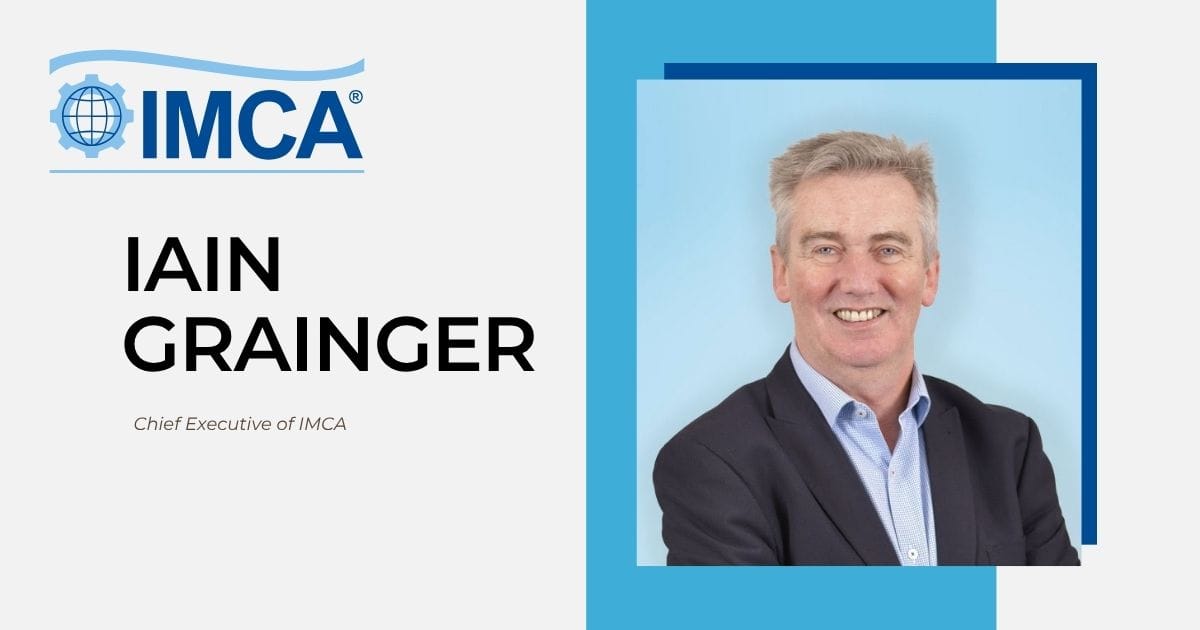
Iain Grainger, Chief Executive of the International Marine Contractors Association (IMCA), said: “What we are seeing reflects a broader trend: subsea infrastructure is becoming more exposed and more strategically important. These are the systems that support communications, energy supply, and financial markets. When they are disrupted, the effects are immediate and can extend well beyond national borders.”
While much of the focus is on monitoring and detection, industry experience highlights that the greater challenge lies in response.
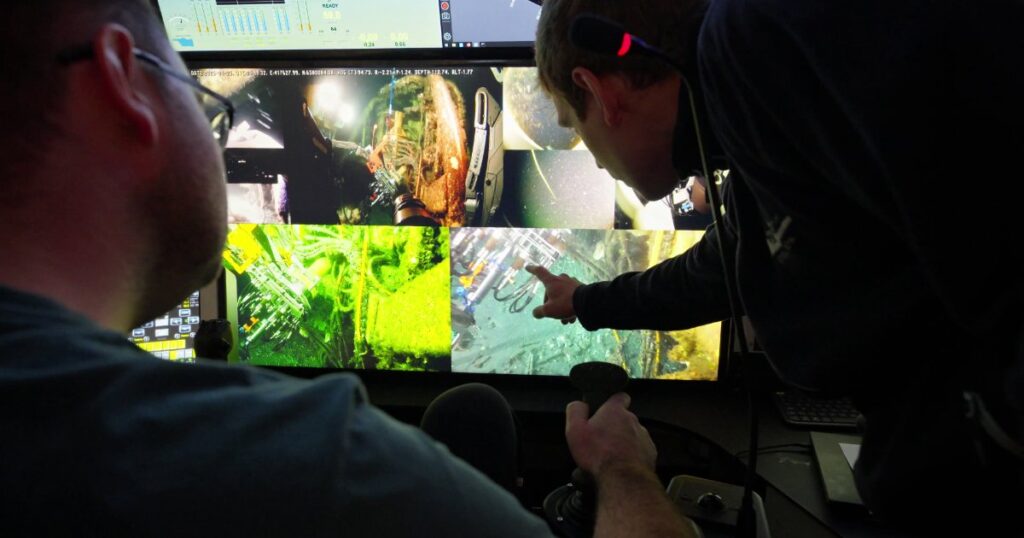
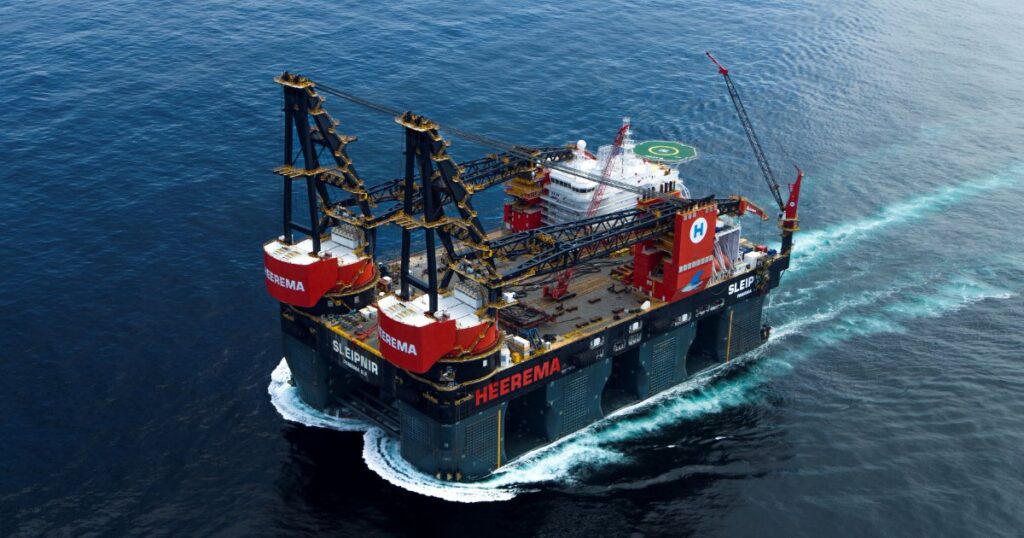
Repairing subsea infrastructure is a complex offshore operation requiring specialist vessels, advanced equipment, and highly trained personnel. Depending on location, water depth, weather conditions, and permitting requirements, repairs can take days or longer. In practice, response time is often determined by how quickly the right vessels, equipment, and crews can be mobilized.
“Monitoring activity is only one part of the picture,” Grainger continued. “The real test is how quickly we can respond when disruption occurs. That depends on having the right vessels available, the right skills in place, and regulatory frameworks that allow rapid mobilization across borders.”
IMCA notes that growing demand for offshore energy infrastructure, including wind and interconnection, is placing additional pressure on the availability of specialized vessels and skilled personnel required for installation and repair.
“This is not just about the immediate incident,” Grainger added. “As energy security rises up the agenda, subsea resilience needs to be treated as a strategic priority. That means ensuring the capability exists to respond quickly, with frameworks in place that minimize delays and enable rapid repair when it is needed.”
Subsea infrastructure operates as a globally interconnected system, where disruption in one region can have cascading impacts on connectivity, energy flows, and economic activity.
“Protecting subsea infrastructure is not solely a technical issue. It is fundamental to economic resilience, energy security, and international coordination. Industry has the capability to respond, but it must be supported by sustained investment, planning, and cooperation,” Grainger said.