The plan emphasizes Massachusetts’ unique position as #1 in US climatetech startups per capita and the second-largest climatetech ecosystem in the country, with a proven track record of innovation and commercialization of breakthrough technologies. To maintain its leadership, the state must address gaps in infrastructure, talent, and investment through coordinated action across public and private sectors.
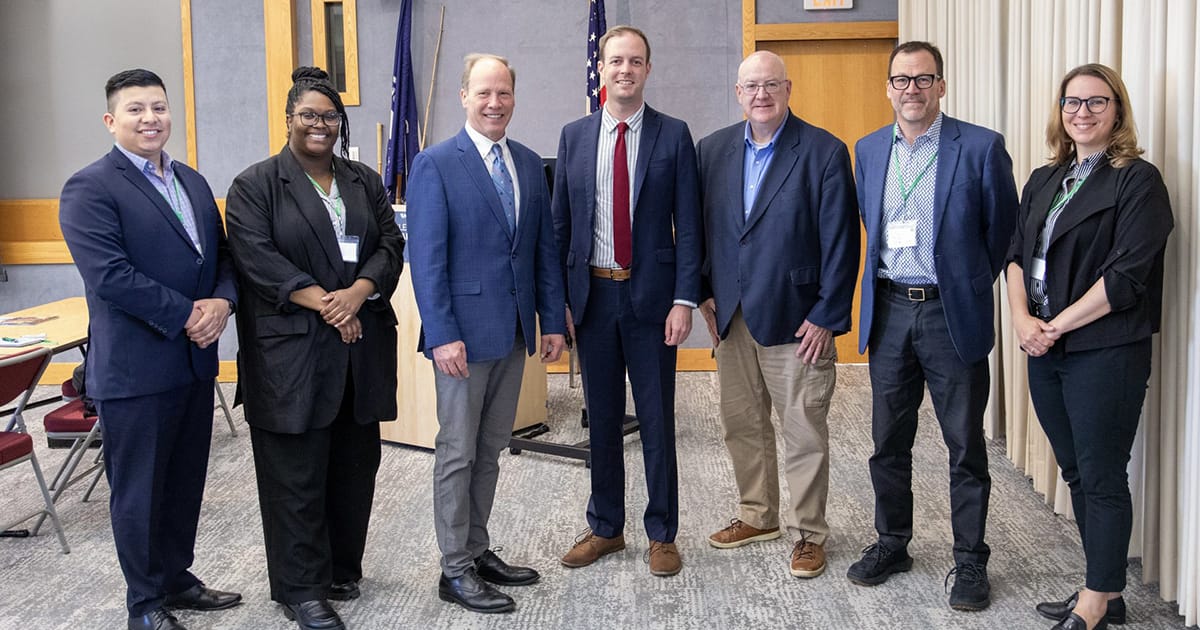
The Woods Hole Oceanographic Institution (WHOI) and Marine Biological Laboratory (MBL) hosted the event, which included workshops and roundtable discussions on funding opportunities, driving tech to market, and growing renewable energy sectors. Peter de Menocal, president and director of WHOI, and Nipam Patel, Director of the Marine Biological Laboratory, provided opening remarks. State Representative Kip Diggs, State Representative Thomas Moakley, and staff from the offices of US Senator Elizabeth Warren and Congressman Bill Keating also attended the event.
“The coastal village of Woods Hole contributes significantly to Massachusetts’ blue economy through its research, education, and economic impacts, supporting thousands of jobs and generating billions of dollars in revenue,” said de Menocal. “We are honored to help support this important initiative. WHOI’s work in the climate technology sector is already strong, and we welcome the additional support that MassCEC brings to help drive continued economic development.”
“The Marine Biological Laboratory is proud to support MassCEC’s vision to position Massachusetts as a global leader in climate tech,” said Patel. “For more than 50 years, research by faculty in our Ecosystems Center has contributed immensely to understanding long-term trends in global climate change, carbon cycling, and coastal resiliency. Our research today helps to identify solutions for mitigating climate change and coastal sea level rise in ways that benefit Cape Cod’s local community and economic development. In addition, our work in basic biology takes advantage of our marine environment to unlock new biological systems and approaches that enhance biological discovery, which drives economic growth across the Commonwealth. Our educational programs equip the next generation of scientists and leaders to thrive in—and help shape—Massachusetts’ growing economy.”
“The climatetech industry is a massive economic opportunity for Cape Cod and the Islands,” said MassCEC CEO Emily Reichert. “This region, along with Southeastern Massachusetts, is known for its groundbreaking research environment and deep maritime history. Because of these strengths, it has unmatched potential to develop innovative technologies that will harness the power of our oceans, protect marine ecosystems, and create good jobs and successful businesses.
“MassCEC is excited to team up with the world-class Woods Hole scientific community to make Massachusetts the global hub for climatetech,” she continued.
To accomplish these goals over the next decade, MassCEC will expand funding opportunities across all stages of growth, including grants and tax incentives for climatetech firms, building markets for emerging technologies, and raising awareness of Massachusetts’ climatetech leadership through strategic communications.
WHOI recently launched its Strategic Hub for Innovations and Partnerships, with a goal of driving innovation, expanding partnerships, and accelerating commercialization. Leslie-Ann McGee is its new Chief Innovation Officer.
“WHOI is a global force in climate and ocean technology, and its strength in research and engineering address critical oceanographic questions with practical applications for human lives and livelihoods,” said McGee. “This partnership with MassCEC comes at a critical time for our planet, and WHOI is proud to be a part of this initiative.”