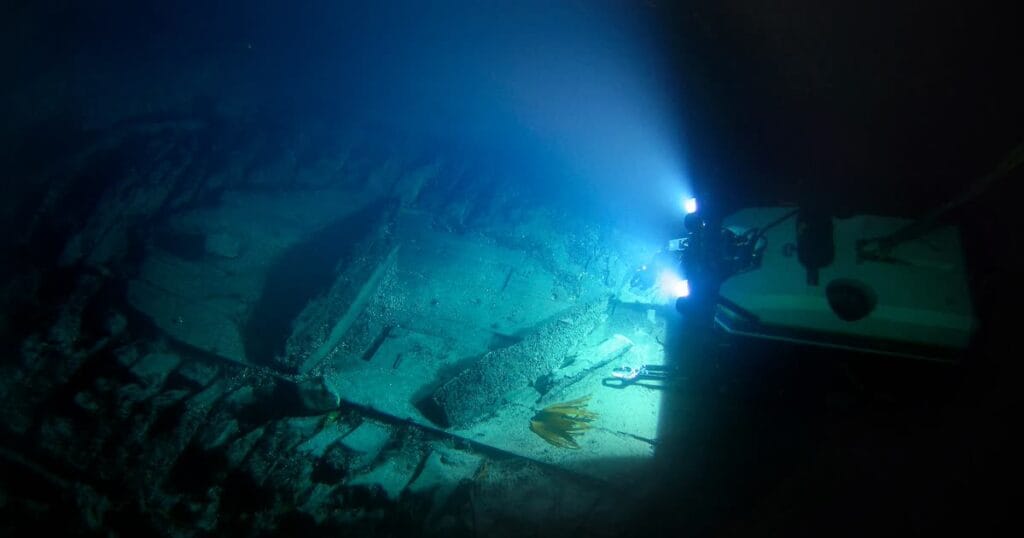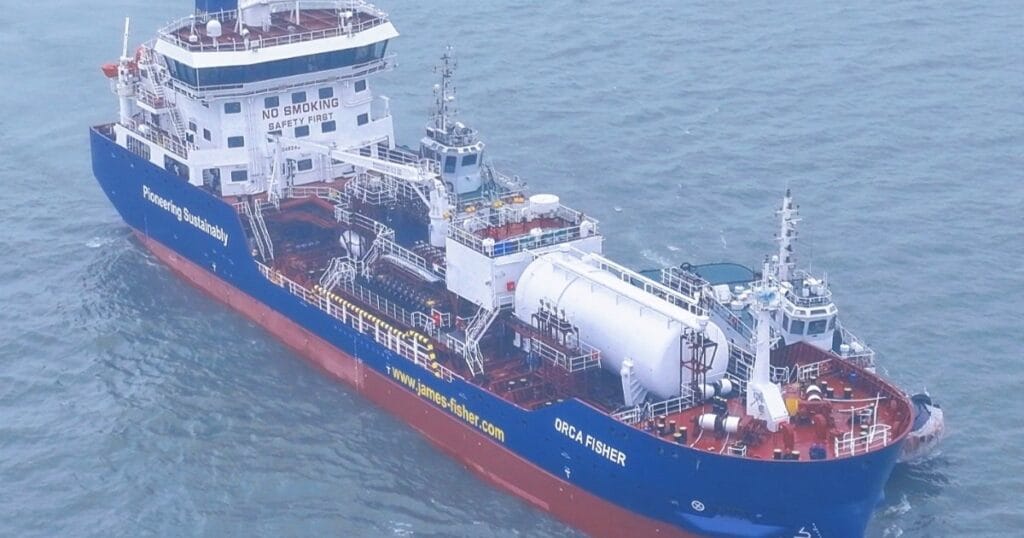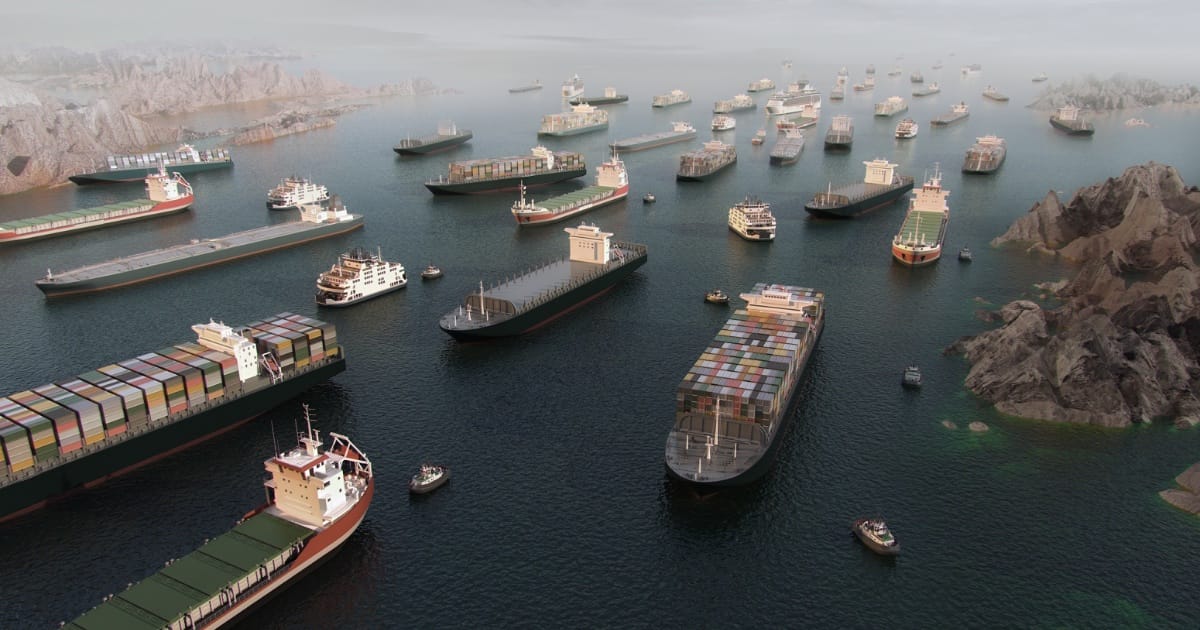
The study, “Closure of the Strait of Hormuz May Trigger a Bioinvasion Super-Spreader Event,” out today in Biological Invasions, highlights how prolonged periods at anchor allow ship hulls to accumulate dense communities of marine organisms, including algae, barnacles, mussels, and other invertebrates, which can be transported around the world when vessels resume normal trade routes. The authors describe the unprecedented lay-up of more than 1,500 ships as creating conditions for a potential global marine bioinvasion “super-spreader” event.
Carolyn Tepolt, a WHOI biologist whose research focuses on the evolution and spread of marine invasive species, contributed expertise on how globally distributed biofouling organisms can rapidly adapt to new environmental conditions.
“Marine invasive species have profound ecological and economic impacts on coastlines across the globe,” explained Tepolt, “and are extremely difficult, if not impossible, to eradicate once they become established. This disruption to global shipping has many repercussions and has also more quietly created ideal conditions to spread warm-water species to new ports.”
The authors note that modern shipping has long been recognized as one of the primary pathways for marine invasive species, but the scale and duration of the recent vessel lay-up is unlike anything previously documented, creating an unprecedented global biosecurity challenge.
The authors call on ship operators, port authorities, regulators, and environmental managers to strengthen ship biofouling management, expand monitoring at high-risk ports, improve forecasting of vessel movements, and coordinate rapid international response efforts.
The international collaborative research highlights WHOI’s role in understanding the complex connections between ocean ecosystems, global commerce, and environmental change.