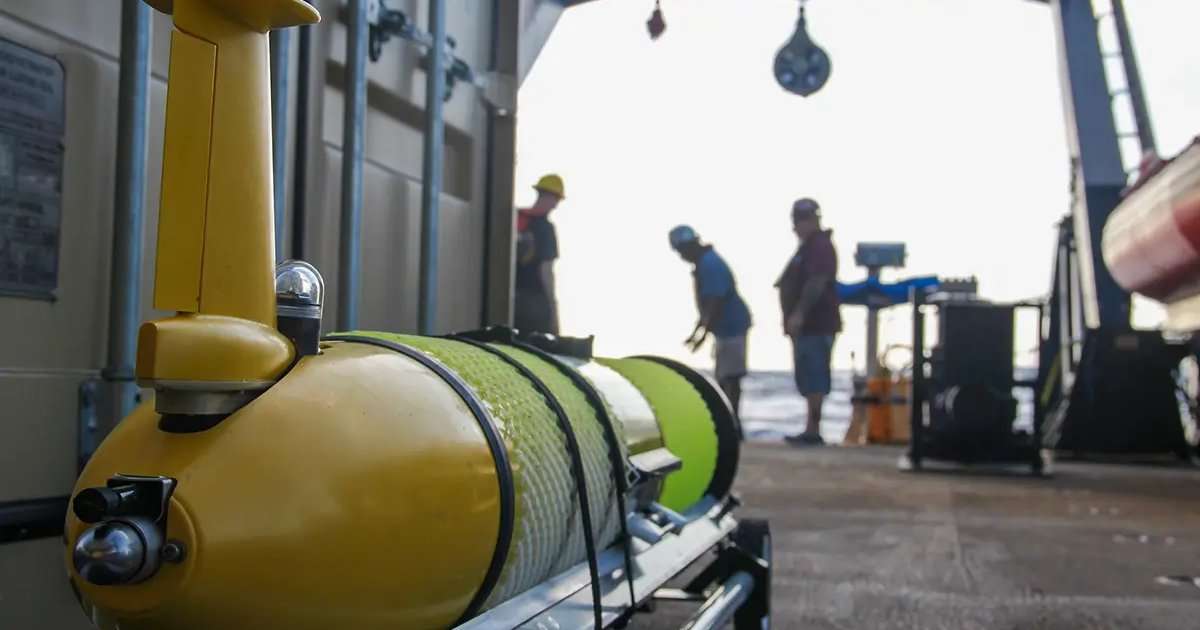
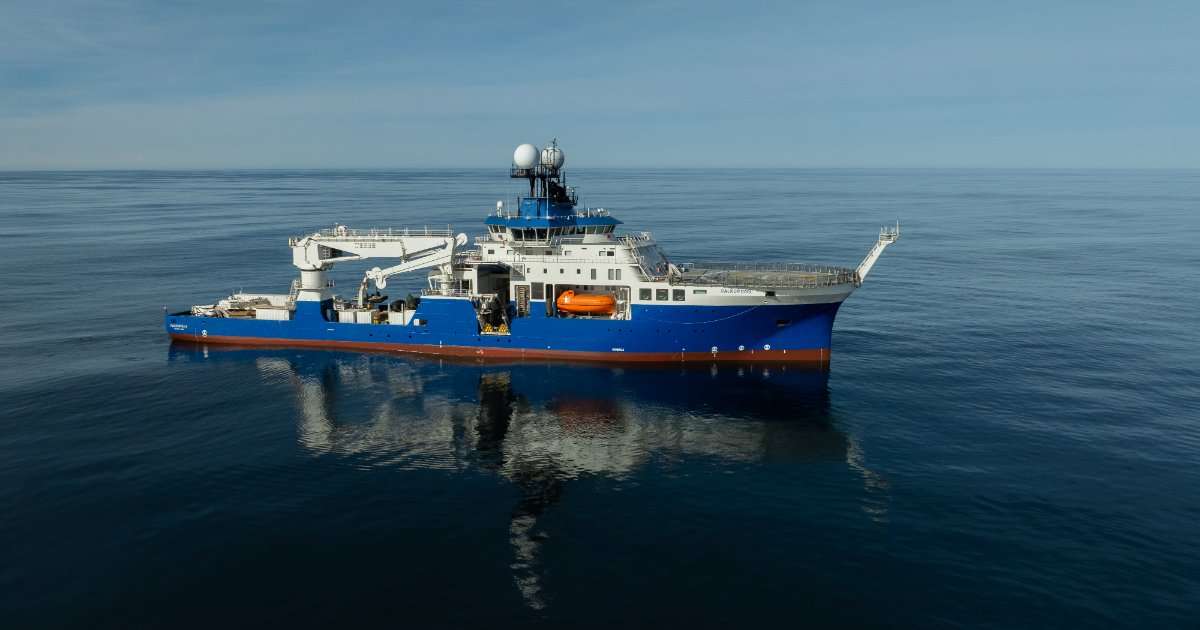
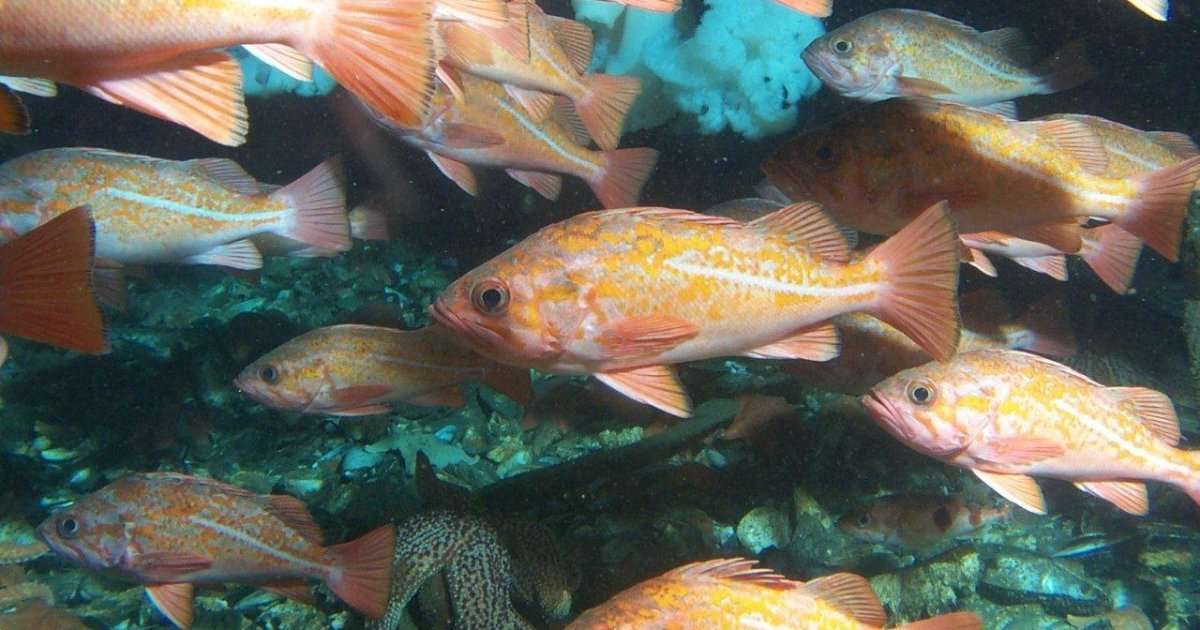
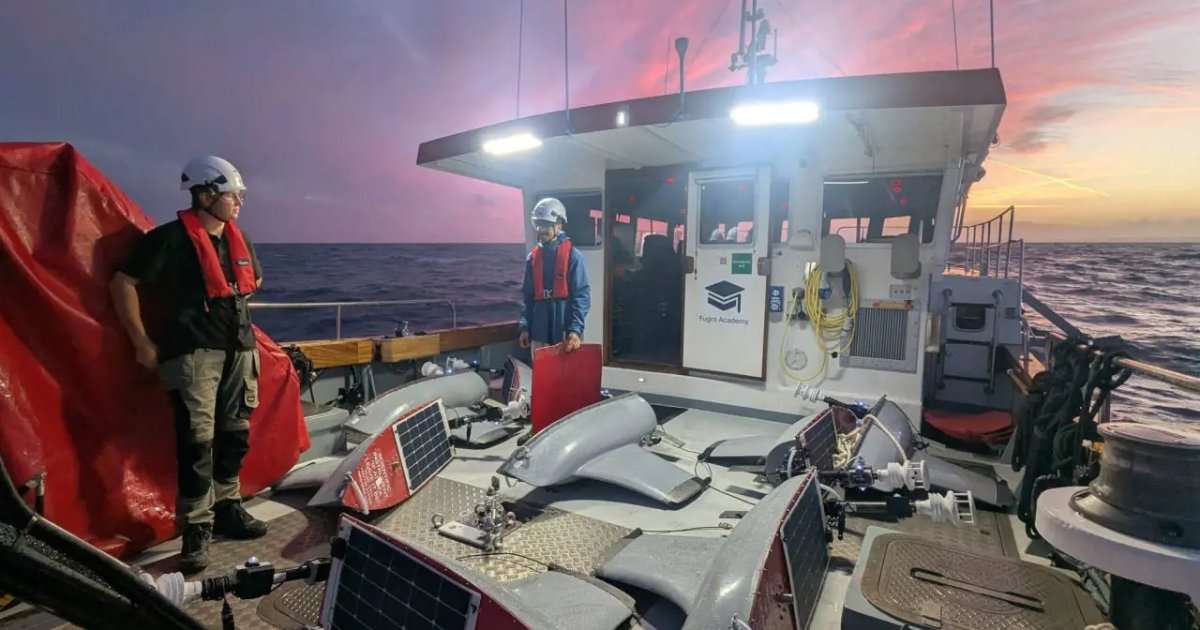
Researchers at the University of Exeter, on behalf of the Convex Seascape Survey, examined seabed carbon in the Fladen Ground—a large muddy seabed east of Scotland, which is one of the North Sea’s most commercially important fishing grounds.
Here, crustaceans, including Norway lobster (which is used to make scampi), are caught by bottom trawling, a damaging form of fishing that involves heavy nets being dragged across sea floor habitats and indiscriminately scooping up species.
The Fladen Ground is located on a continental shelf, where muds are important long-term stores for carbon, which is important for climate regulation.
But these muds vary in how much carbon they store, how quickly they bury it, and how vulnerable that carbon is to being released into the ocean-air system, the researchers say.
The study, which is part of the five-year global research program Convex Seascape Survey, found that the Fladen Ground builds up new carbon very slowly.
Most of the mud and carbon it contains were deposited after the last ice age.
After bottom trawling churns up the sediment, new carbon levels cannot replenish quickly, and ancient stores are likely affected, the researchers say.
Bottom trawling in other muddy areas, which build up fresh carbon faster, could have a more significant impact, as more carbon could be released into the ocean-air system.
Dr. Zoe Roseby, lead author of the study, said the severity of bottom trawling’s climate impact therefore depends on where it occurs.
While scampi is often marketed as a sustainable seafood choice, she said: “Many people don’t realize that Norway Lobsters live in mud, or that catching them involves towing nets directly across the seabed. “That makes the environmental cost of scampi largely invisible to consumers,” she continued.
On different muds, Dr. Roseby said: “Some areas of the seabed are still actively accumulating sediment and carbon today, whereas the Fladen Ground is a low-accumulation environment.
“Most of the carbon stored there was deposited at the end of the last ice age and is not being replenished in our lifetime.
“This means that modern trawl events can disturb sediments and carbon deposited several thousand years ago.”
And the Fladen Ground is not even necessarily the most climate-sensitive place to trawl, Dr. Roseby explained: “As it accumulates carbon so slowly and contains relatively refractory material, disturbing it may mobilize less reactive carbon than in other areas with carbon-rich muds. The broader message is that not all seabeds carry the same climate risk.”
The study argues that effective marine management should consider not only how much carbon is stored in seabed sediments, but also how quickly it is being buried and how vulnerable it is to being released.
Professor Callum Roberts, co-author of the study and lead scientist of the Convex Seascape Survey, said: “For fisheries to be genuinely sustainable, we have to consider where fishing takes place and how different seabed habitats function in the carbon cycle. This isn’t an argument against eating scampi or against fishing itself. But if seafood is to be climate-smart, we need to think not just about what we catch, but how and where we catch it, and use smarter spatial management to avoid disturbing seabeds that are actively accumulating and efficiently burying more vulnerable carbon.”
The research, published in the journal of Marine Geology, comes as the Convex Seascape Survey—a five-year collaboration between Blue Marine Foundation, the University of Exeter, and Convex Group insurance company, aims to build understanding of the ocean and its continental shelves in the Earth’s carbon cycle.
For more information, visit: https://convexseascapesurvey.com/