The expedition, aboard the research vessel Yokosuka, will target biologically rich deep-sea regions within Japan’s Exclusive Economic Zone, including the Nankai Trough and Shichiyo Seamounts, aiming to discover marine species never before seen by science.
“This expedition represents more than a journey into the unknown; it signifies a convergence of knowledge, expertise, and a shared vision dedicated to advancing the discovery of marine biodiversity. With JAMSTEC’s Shinkai 6500 at its core, this mission shows the transformative power of international collaboration in deep-sea research. Together, we aim to deepen our understanding of life in the ocean’s most remote regions and to contribute meaningfully to the preservation of our planet’s biodiversity,” said Dr. Takeshi Kawano, Executive Director of JAMSTEC.
Launched in 2023 by The Nippon Foundation and UK-based charity Nekton, the Ocean Census is the world’s largest program to accelerate marine species discovery. JAMSTEC’s expedition marks Japan’s flagship contribution to this global initiative, which is endorsed by the United Nations Ocean Decade.
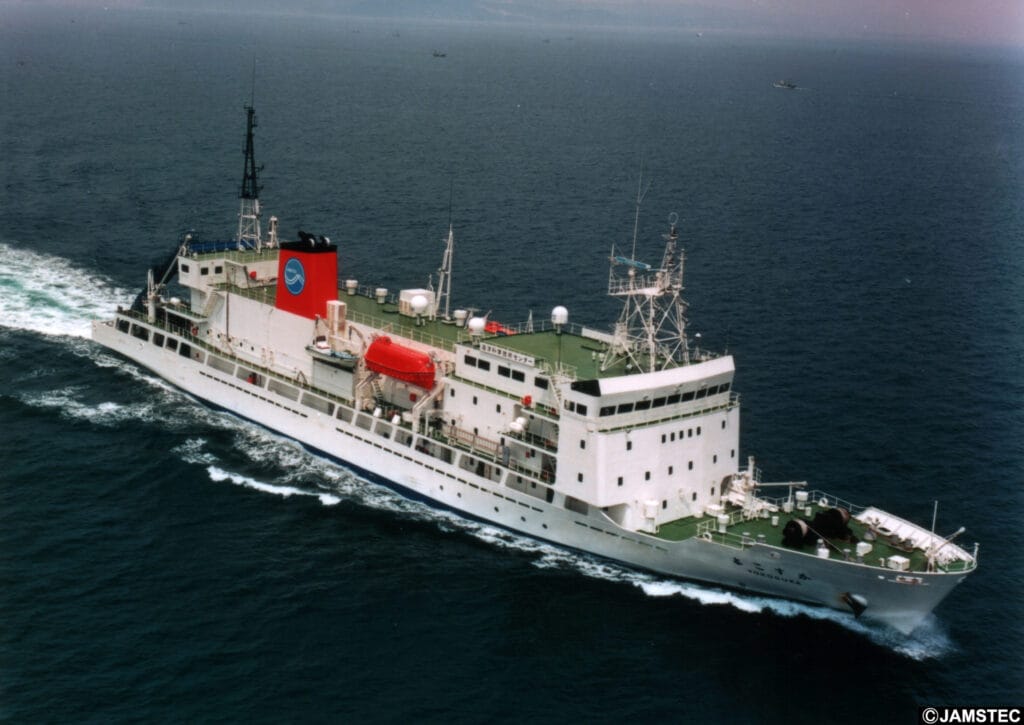
Japanese Technology Meets Global Science
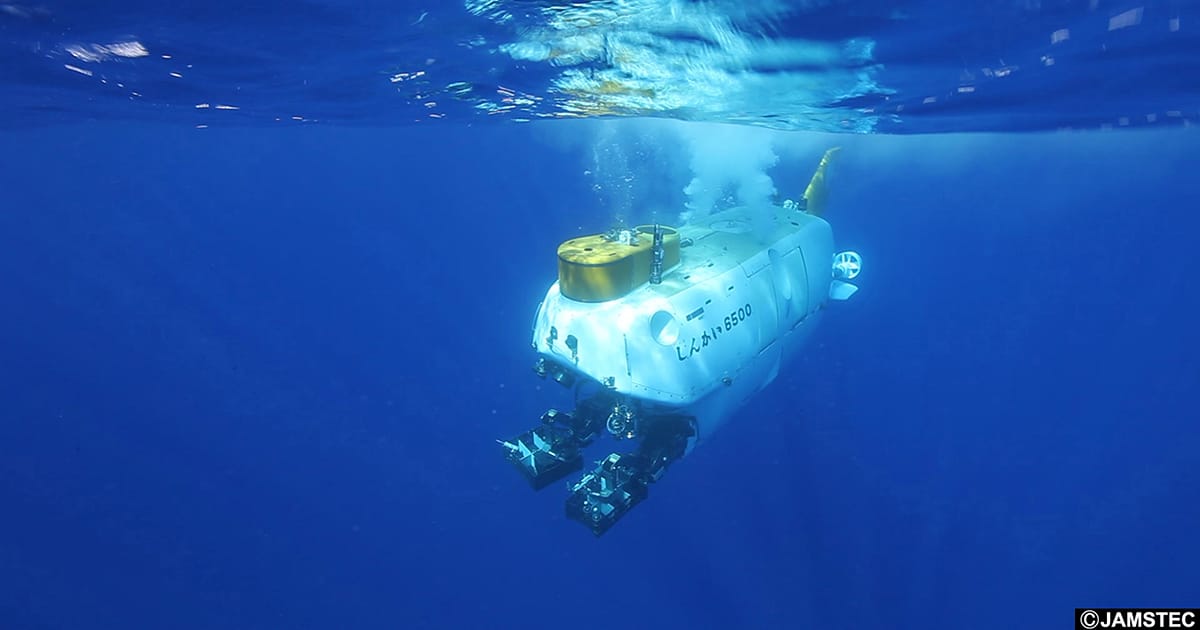
The expedition celebrates Japan’s leadership in ocean technology and science, exemplified by the Shinkai 6500—one of the world’s deepest-diving human-occupied research submersibles capable of diving to 6,500 m deep. Since 1990, it has completed over 1,800 dives and remains a symbol of Japan’s deep-sea expertise.
“We’re proud to deploy the Shinkai 6500 on home ground in service of global science,” said Dr. Akinori Yabuki, Principal Investigator of the expedition at JAMSTEC. “Japan’s waters hold extraordinary biological diversity, and many areas remain virtually unexplored.”
The expedition’s international scientific team includes experts from JAMSTEC, the Ocean Census, Nagoya University, Hokkaido University, and the Australian National University. Together, they will aim to undertake up to 11 dives, collecting and documenting deep-sea species across a range of remarkable ecosystems; from volcanic seamounts to methane seep communities.
“This is about more than discovery. It’s about creating a new knowledge base for ocean stewardship, led by Japan and shared with the world,” said Dr. Michelle Taylor, Co-Lead of the expedition and Head of Science at the Ocean Census. “Thanks to JAMSTEC’s incredible legacy and infrastructure, and with the support of The Nippon Foundation, we expect to find species new to science.”
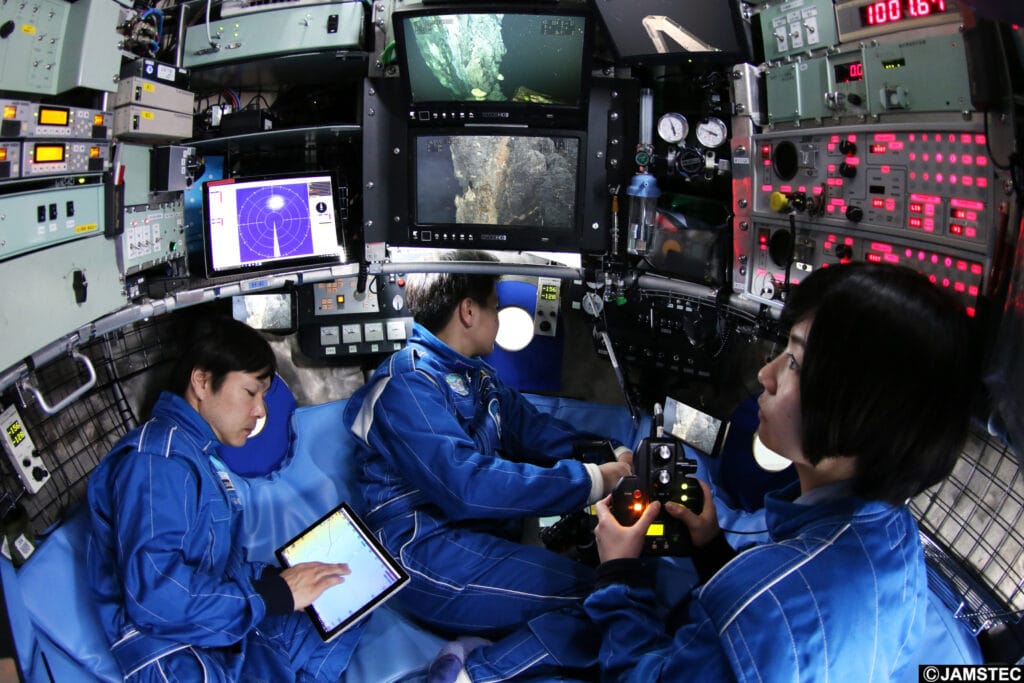
Open Discovery for All
In line with the Ocean Census’ commitment to open science, all discoveries from the cruise will be made freely available through the Ocean Census Biodiversity Data Platform. A post-expedition Species Discovery Workshop will be held at JAMSTEC headquarters in late 2025, where Japanese and international scientists will catalog the findings together. The expedition will feature a public engagement campaign in Japan, including social media updates, educational collaborations, and captivating footage from the submersible itself. The public is invited to follow the expedition’s progress through dedicated social media channels, including @oceancensus on X, Instagram for global updates, and @oceancensus_jp for updates from Japan.
As the R/V Yokosuka departs and Shinkai 6500 dives into uncharted depths, this mission offers a rare glimpse into Earth’s final frontier—and an inspiring example of global collaboration, scientific curiosity, and the power of discovery.