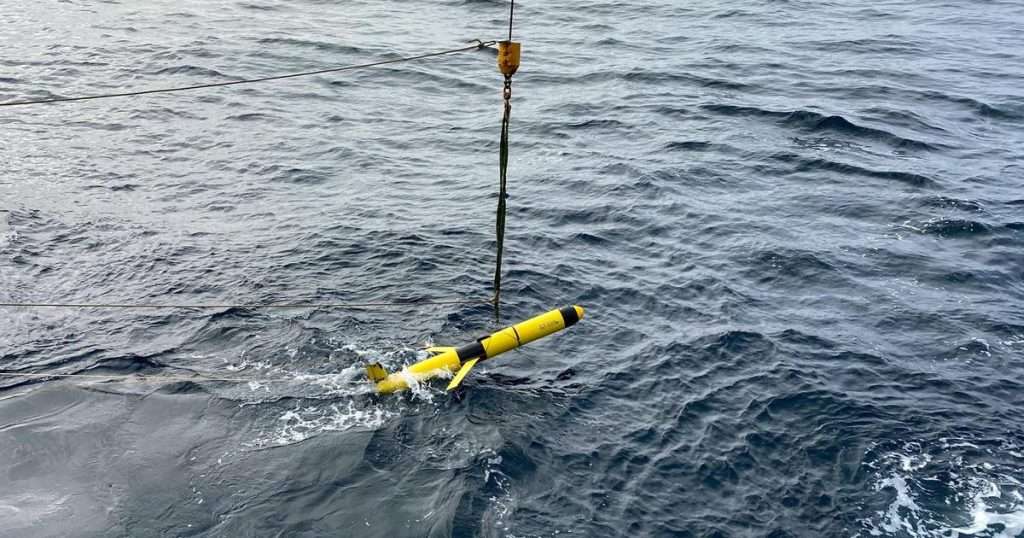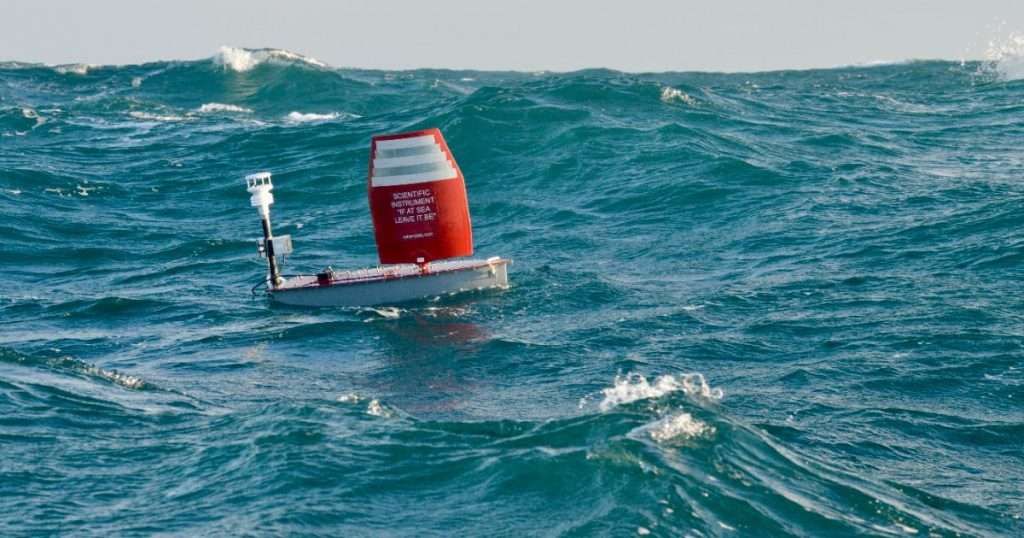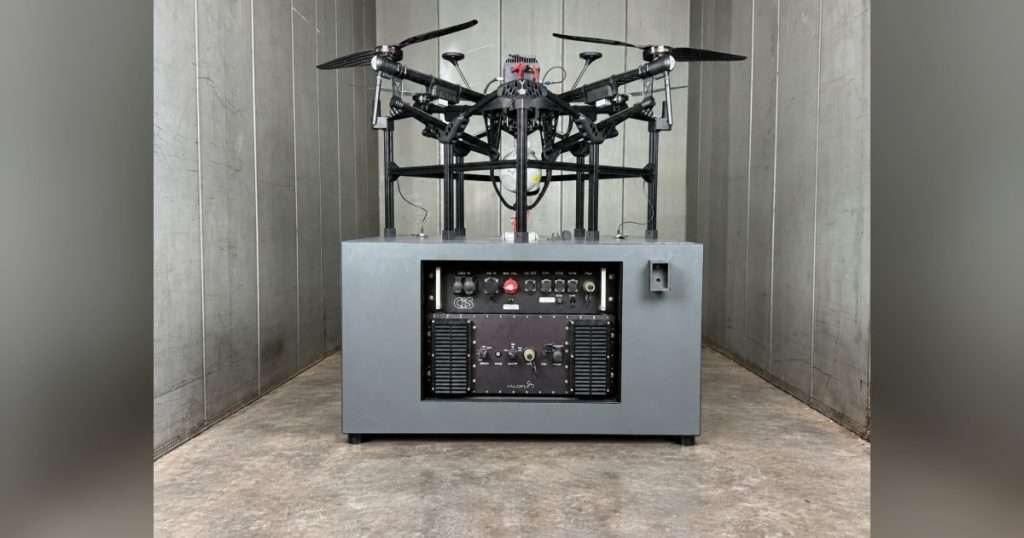
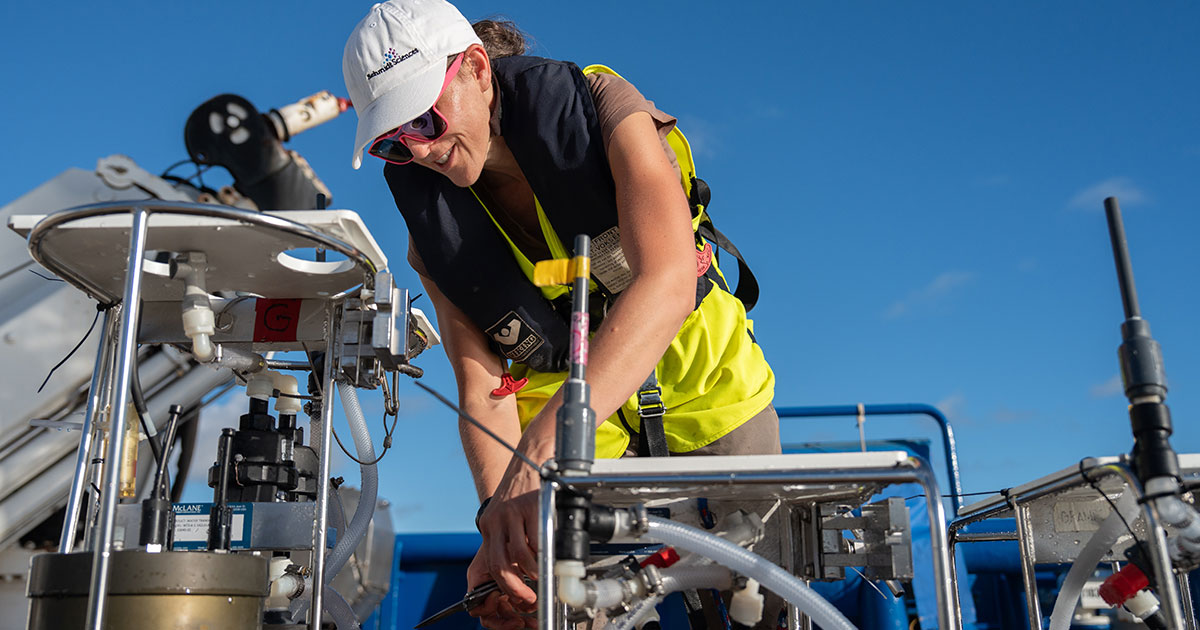

The first expedition, Animals as Living Bioreactors, in January-February was led by Dr. Anitra Ingalls of the University of Washington, US, and collected data in waters far off the east coast of South America, from Argentina to Brazil. The team studied the digestive systems of fish, jellies, and other animals that undertake the world’s largest migration, swimming every night from the depths to feed at the surface, then returning to the deep before daybreak to evade predators. Billions of animals perform this daily migration, and scientists do not yet fully understand the role they play in carbon export to the deep.
“These animals feed at the surface daily, effectively capturing carbon, and then they carry that carbon in their guts down to 1,500 meters, which they eventually excrete,” said Ingalls. “We believe these animals are overlooked as a key part in the delivery of carbon to the deep.”
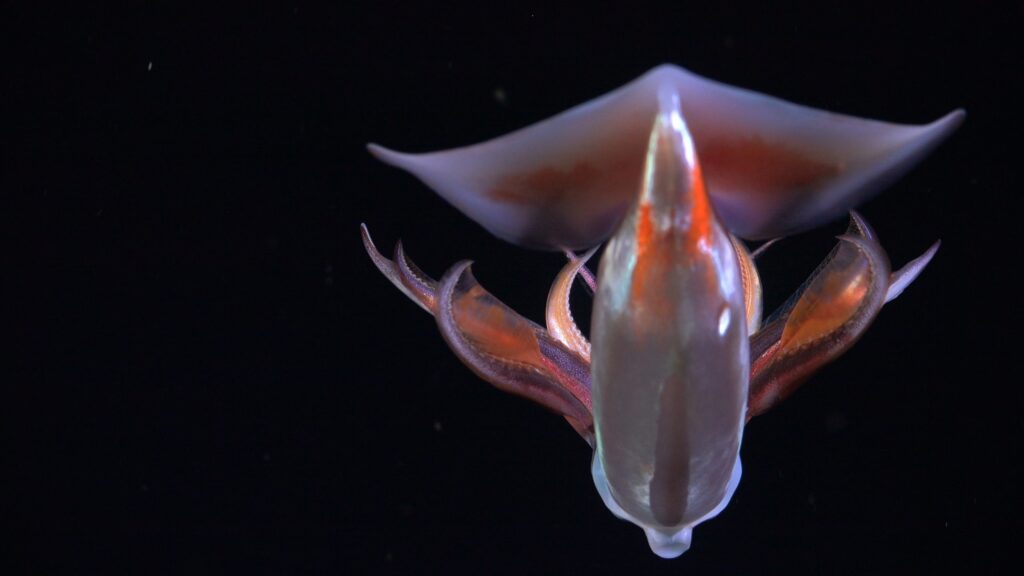
One question the team aims to answer through further analyses is whether these animals’ gut microbiomes are transforming food into essential nutrients like vitamin B12 for animals living in deeper waters.
The team collected an abundance of animal samples for ongoing scientific research. Many will be donated to museums, some are animals that have not been observed in the South Atlantic, and others are likely new species, said Ingalls.
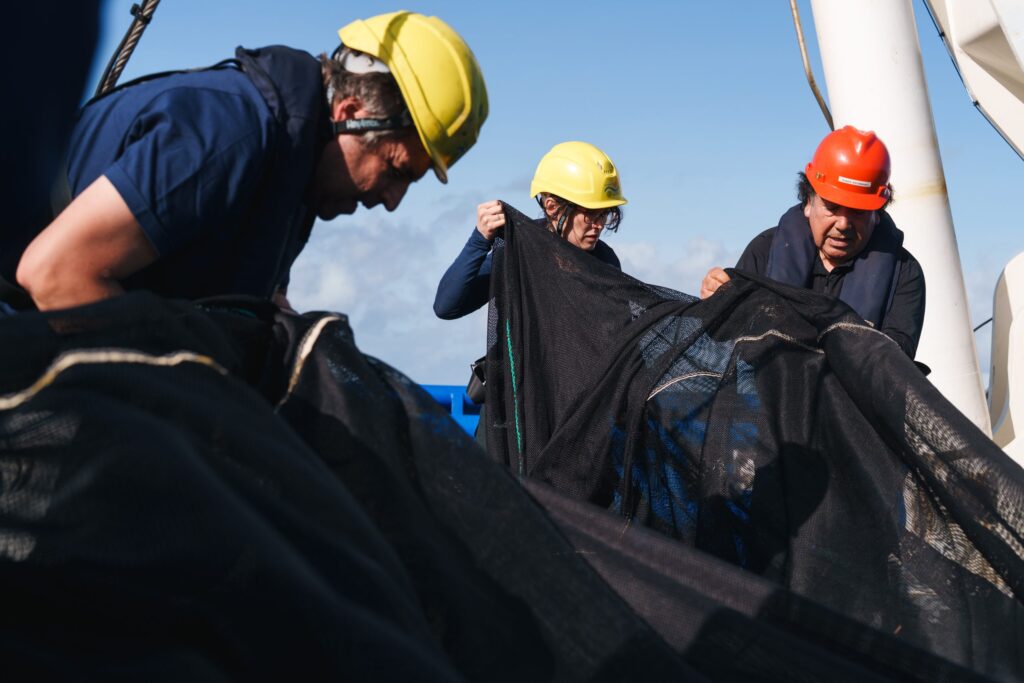
The second expedition in March-April, the Subtropical Underwater Biogeochemistry and Subsurface Export Alliance (SUBSEA), was led by Dr. Matthew Church of the University of Montana, US, and took place over 200 miles off the coast of Brazil. The SUBSEA team investigated how nutrients and carbon are cycled by microscopic algae, called phytoplankton, living in the Southeastern Atlantic Gyre. Ocean gyres are vast, nutrient-poor systems and among the most expansive habitats on Earth. Their surface can only be fully observed by satellites.
But Church’s team isn’t focused on the phytoplankton living at the surface. They are interested in those living at about 100 meters depth—where sunlight starts to dim—and satellites cannot be used to measure their activity.
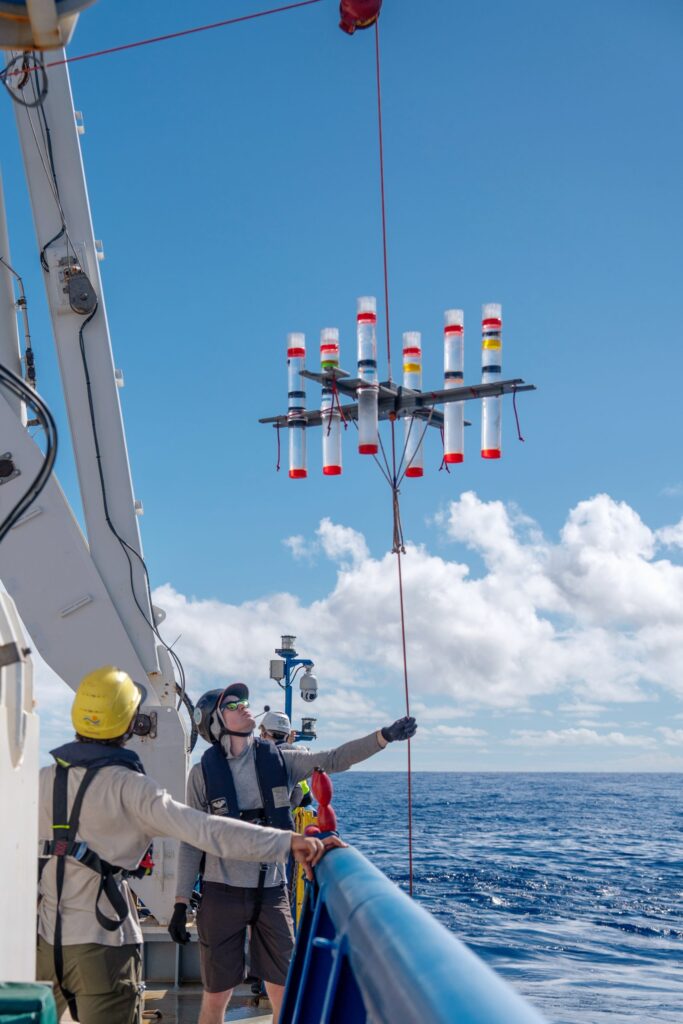
On the expedition, they caught the tail end of a massive phytoplankton bloom that was beginning to die and decay. One hypothesis is that these surface plankton effectively provide “compost” for phytoplankton living further down. Questions remain about the source of the nutrients needed to sustain phytoplankton growth, including iron, phosphorus, and nitrogen.
“The processes that sustain subsurface phytoplankton remain mostly unknown,” said Church. “The outcomes of this cruise will specifically improve understanding the biological and chemical interactions taking place in the dimly lit portion of the upper ocean and the role they play in carbon export to deeper waters.”
Understanding the biological pump is critical because the Ocean absorbs one-third of the carbon dioxide produced by human activity, and scientists do not fully understand how these emissions impact ocean health. Both projects, Animals as Bioreactors and SUBSEA, are long-term projects supported by Schmidt Sciences in the OBVI program.
“Our Ocean plays a critical role in this planet’s climate,” said Schmidt Ocean Institute’s Executive Director, Dr. Jyotika Virmani. “Together with the Schmidt Sciences’ OBVI program, we are excited to support the mission to fill in major research gaps in the global carbon cycle that have been understudied for decades because they are hard to quantify.”