Based in the Wirral, SEP Hydrographic is an ISO-certified hydrographic and geophysical survey company specializing in nearshore and coastal projects across the offshore renewables, ports and harbors, and utilities sectors.
Eliminating Downtime and Risk
Before adopting Pyxis, SEP Hydrographic’s process required a full USBL calibration, necessitating the manual deployment and recovery of an acoustic beacon on the seabed. This process often consumed a full day of vessel time, dependent on weather, and posed safety hazards to the team operating from small nearshore vessels.
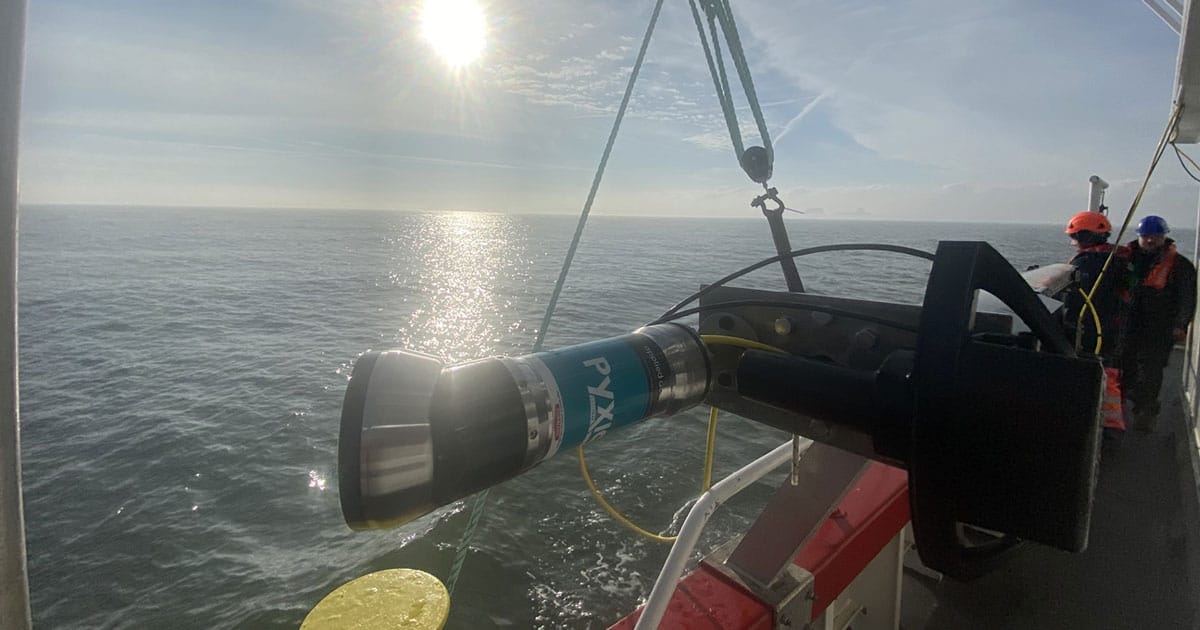
The Pyxis INS + USBL system was chosen for its factory-calibrated design. By combining high-performance USBL technology with an advanced Inertial Navigation System (INS), all necessary acoustic and chassis alignments are completed before the system leaves the factory. This leaves only installation-specific INS alignment required in the field.
A spokesperson for SEP Hydrographic noted that the change has fundamentally improved their workflow: “The Pyxis significantly reduces vessel mobilization delays by removing the requirement for a traditional USBL calibration, which in turn reduces weather risk. The system also increases the overall safety of the mobilization by eliminating the requirement to deploy a beacon on the seabed.”
Quantifiable Accuracy and Efficiency
The implementation of Pyxis has provided substantial and measurable operational improvements:
- Mobilization time: An average saving of one full day per mobilization, providing immediate cost and efficiency benefits.
- Operational safety: Elimination of manual seabed beacon deployments, significantly reducing safety risks in nearshore environments.
- Data accuracy: The system achieved sub-meter accuracy when resolving raw Side Scan Sonar (SSS) positioning. Average SSS positional accuracy improved from ±1.07m using a competing USBL system to ±0.92m post SSS box in positional verification with the Pyxis system.
By choosing a trusted technology partner, SEP Hydrographic increased its operational throughput, reduced risk for its teams, and maintained the exceptional data quality its clients expect.