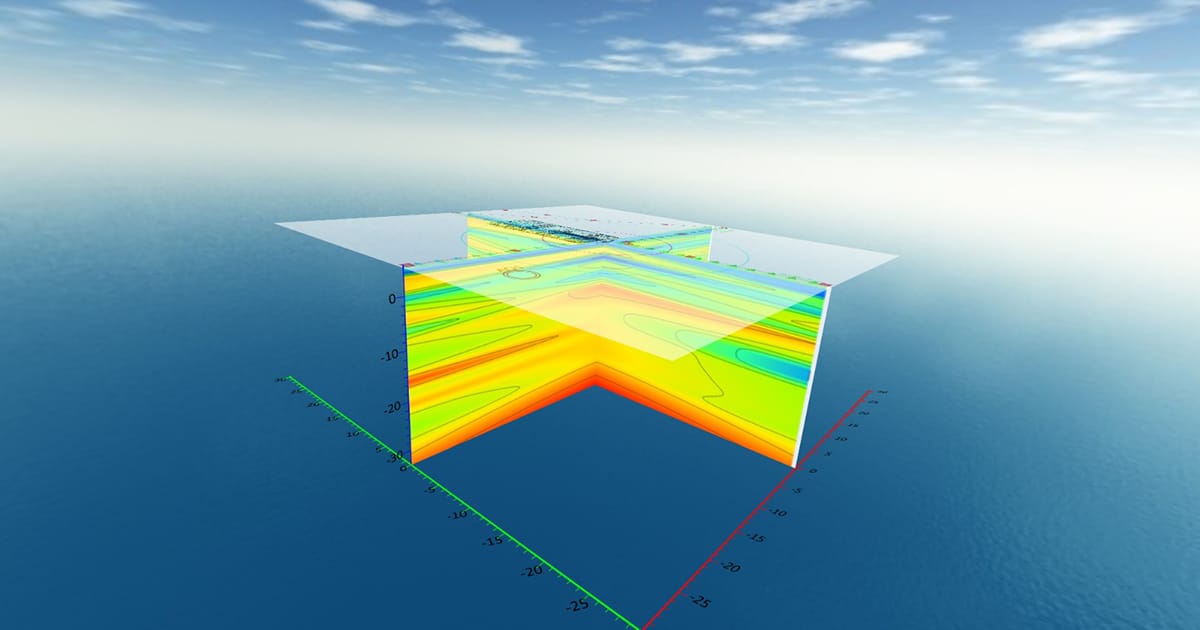
Combining acoustic imaging techniques with conventional geotechnical survey methods, Subsea Micropiles envisions compression of survey and construction activities, reducing the substantial capital costs associated with traditional survey methods, which typically precede the financial close of offshore projects. Supported by advanced machine learning (AI), the integration of survey field data with ground models will greatly improve understanding of geological conditions to optimize and predict the behavior of engineered anchor and foundation solutions across market segments, include offshore wind.
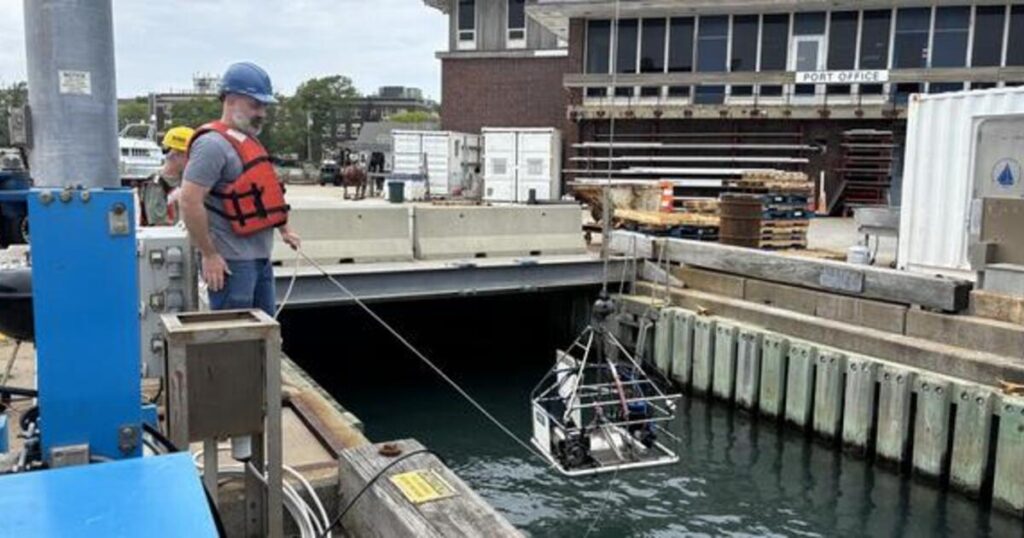
Earlier this year, Subsea Micropiles successfully demonstrated the utilization of Acoustic Zoom technology during an anchor installation in the Scapa Flow, Orkney (Scotland). The results are unprecedented and have revealed the interaction of drilling and grouting activities within a complex soil formation.
Prof. Jacques Yves Guigné, Acoustic Zoom’s inventor and now Chief Scientific Officer at Subsea Micropiles, commented, “This acquisition brings together advanced acoustic imaging and AI to deliver high-resolution, real-time ground models, which was previously unavailable offshore. By converting shear wave velocities into actionable insights, we’re enabling smarter foundation decisions earlier in the project lifecycle. It’s a powerful step forward that aligns directly with our mission to reduce offshore project cost and risk through intelligent, data-driven design.”
Subsea Micropiles Co-Founder and Geotechnical Director, Jon Machin, offered, “Leveraging subsea robotics we are adapting deep pile foundation solutions proven over decades with micropiles as well as survey techniques normally limited to onshore geological test pits. The acquisition of intellectual property from Acoustic Zoom and ongoing collaboration with Prof. Guigné is a fulfillment of our technology vision and welcome expansion of service capabilities in the offshore industry.”