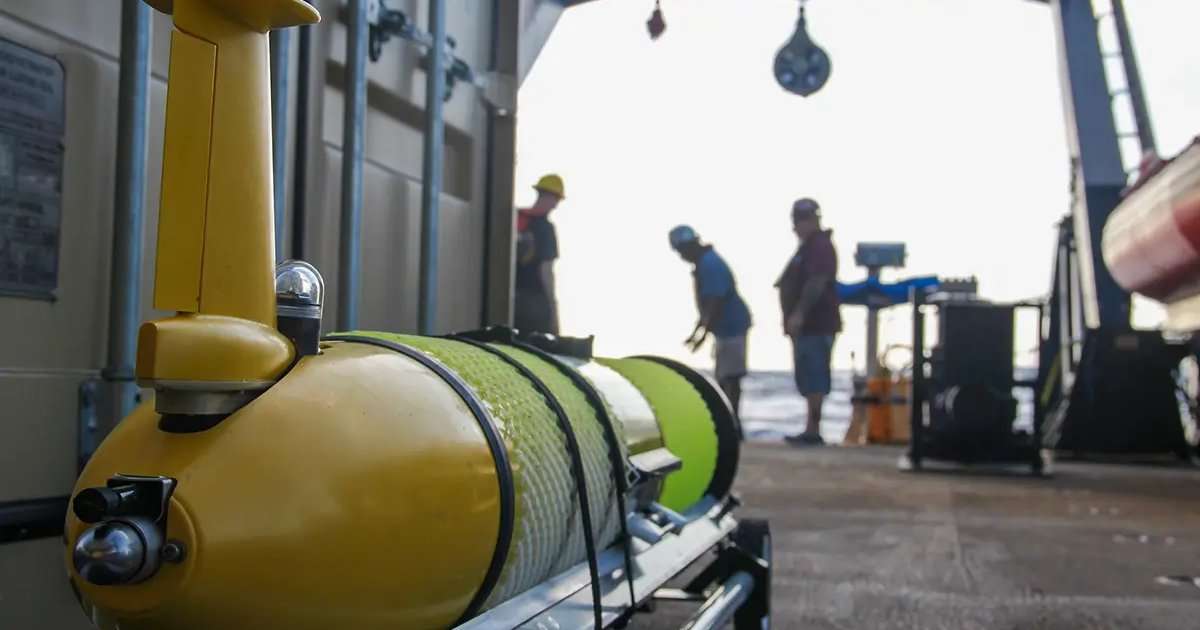
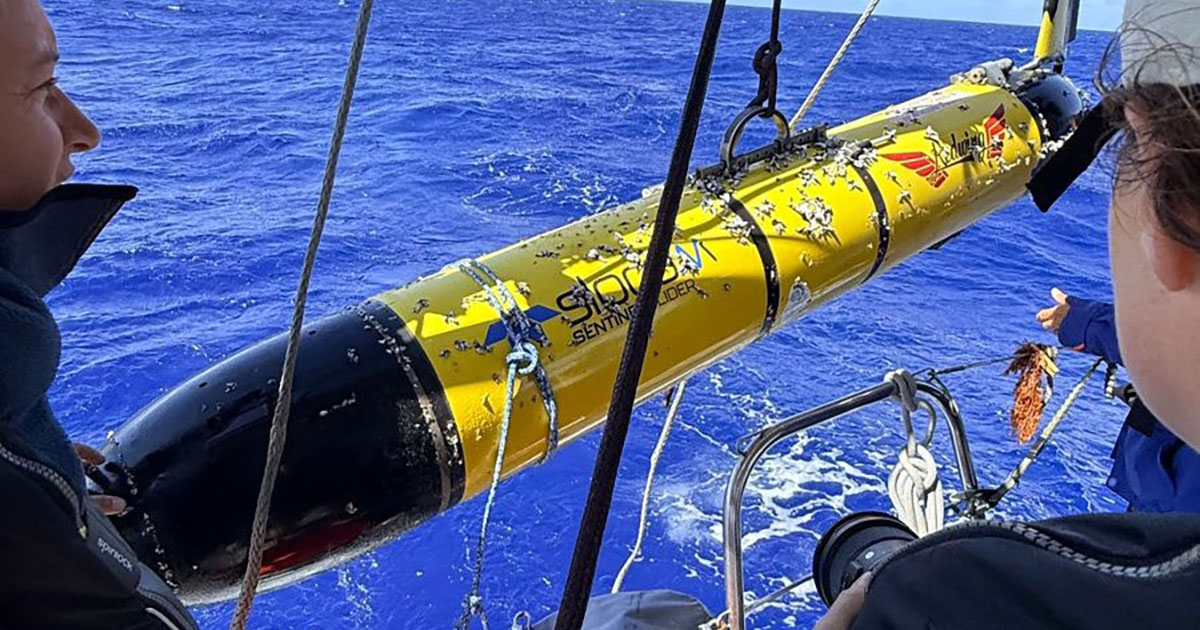
The story began in October 2025, when Redwing, a new-generation autonomous ocean glider, slipped beneath the surface of the Atlantic Ocean. Deployed by the Teledyne Webb Research team, the Sentinel Mission aimed to achieve the first circumnavigation of the globe by an autonomous underwater vehicle.
Redwing is a Slocum Sentinel glider, a long-endurance autonomous platform combining low power consumption, high endurance, and flexible sensor integration. It measures temperature, salinity, and detects marine animals that are tagged with acoustic sources.
The Sentinel Mission project aimed to demonstrate how autonomous technologies can transform global ocean observing. It is led by Teledyne Webb Research in collaboration with Rutgers University Center for Ocean Observing Leadership and the US Integrated Ocean Observing System, and supported by the United Nations Decade of Ocean Science for Sustainable Development.
Like thousands of ocean observing platforms, Redwing contributes to the Global Ocean Observing System (GOOS)—a program co-sponsored by the Intergovernmental Oceanographic Commission (IOC) of UNESCO and the World Meteorological Organization (WMO). GOOS provides leadership for a global system of sustained ocean observations, coordinating a network of nearly 9,000 instruments operated by 64 countries. Together, this system delivers essential data for weather and extreme event forecasting, climate adaptation, coastal and maritime risk responses, biodiversity stewardship, and sustainable ocean economies worldwide.
“Throughout its journey, Redwing collected key oceanographic data in some of the most remote and under-sampled regions of the world, contributing to a better understanding and preservation of the ocean—a central objective of the Sentinel Mission,” said Shea Quinn, Mission Project Lead at Teledyne.
For weeks, the mission progressed smoothly across the Atlantic before, three months in, the situation changed.
“On 16 January, I received an abort alert,” says Cordie Goodrich, operational lead and pilot at Teledyne. “Redwing had surfaced unexpectedly and was unable to dive again.”
Data analysis suggested a sudden movement at depth, consistent with an interaction with a large marine animal that damaged the buoyancy system. While gliders are slow and non-invasive, such rare encounters can affect operations without harming marine life.
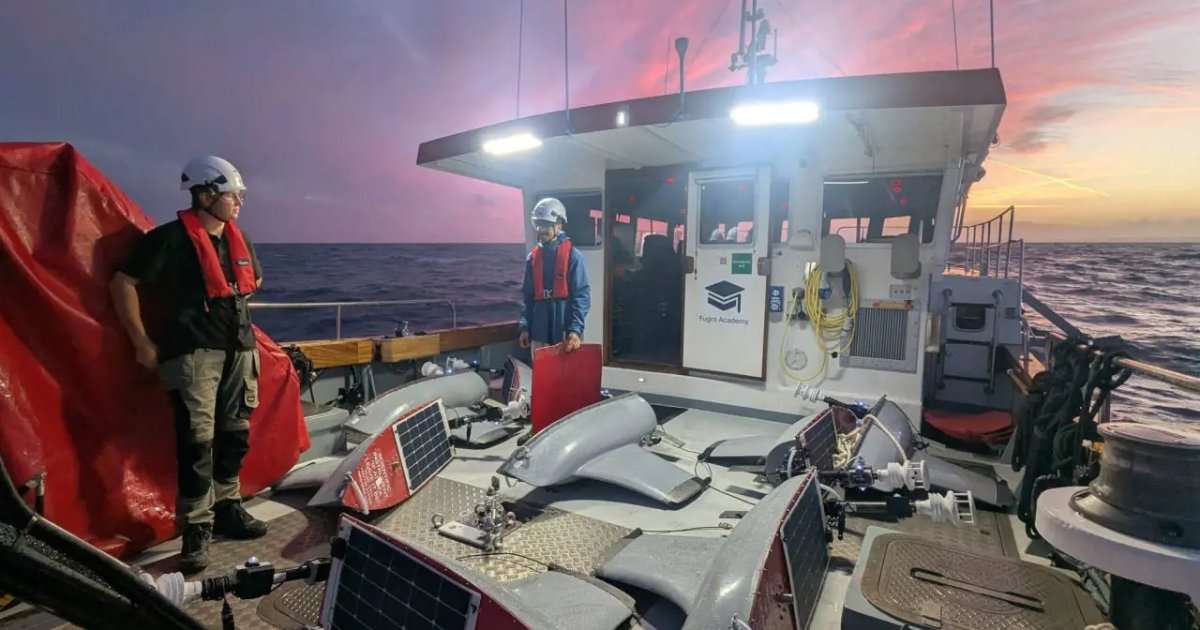
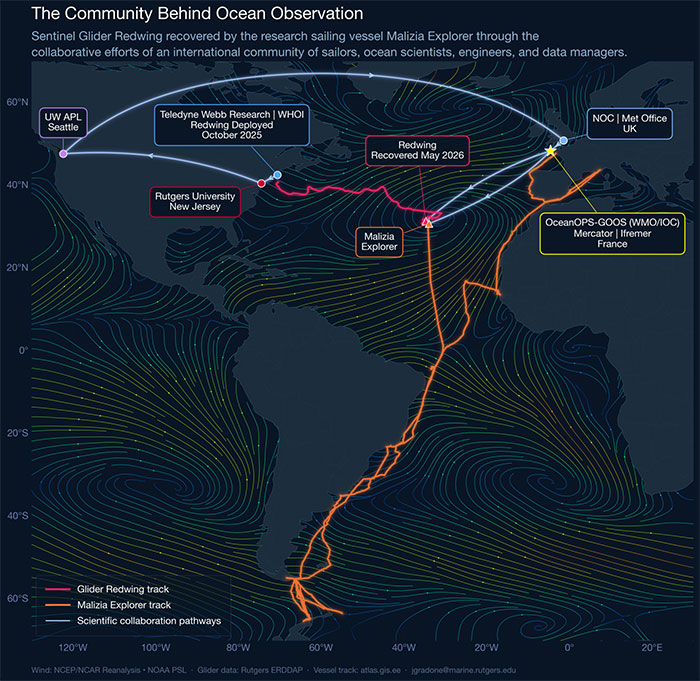
For four months, Redwing drifted across the Atlantic. Rutgers students—who had spent three years preparing for the Sentinel Mission—worked with modelers from Mercator Ocean International to refine drift forecasts as the glider moved between the central Atlantic and the Azores.
Meanwhile, the Sentinel Mission team mobilized the GOOS community in search of a recovery opportunity. The request reached Brian King at the National Oceanography Centre, who relayed it on May 18 to OceanOPS, the operational center supporting GOOS. OceanOPS experts quickly identified a recovery opportunity.
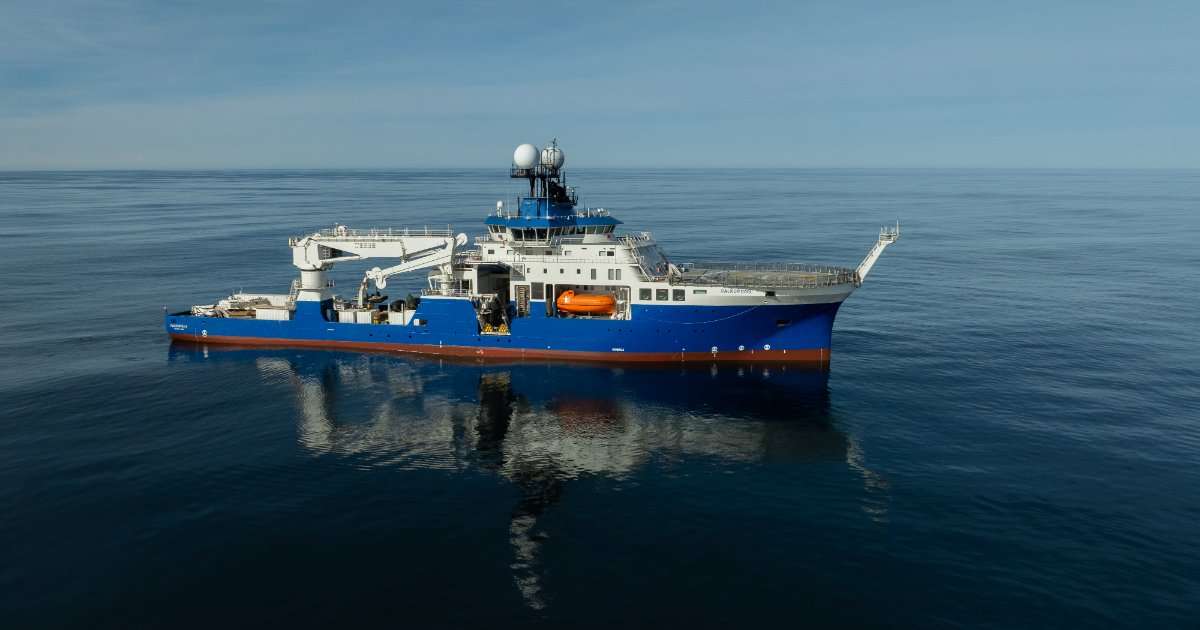
“The breakthrough came from a rather unconventional opportunity,” said Martin Kramp, OceanOPS Technical Coordinator. “The sailing research vessel Malizia Explorer was passing close to the glider while returning from Antarctica to its European home port and on a scientific expedition.”
He contacted Boris Herrmann, skipper of Team Malizia and long-time OceanOPS partner.
“This operation reflects the mission of Malizia Explorer: a low-carbon vessel supporting science in remote regions and responding to unexpected situations,” said Boris Herrmann. “After deploying drifting buoys and Argo floats for years, contributing to a glider recovery is an exciting new step.”
A coordinated recovery quickly formed between the Malizia Explorer crew, OceanOPS, and Teledyne pilots. Using satellite data and drift forecasts, Redwing was successfully recovered on May 19, 2026.
After four months at sea, it was brought onboard with minor damage and a heavy covering of mussels, temporarily becoming a drifting ecosystem.
“The Sentinel Mission story does not end with the recovery,” said Mariarita Caracciolo, OceanGliders Technical Coordinator at OceanOPS. “After arriving in Lorient, Redwing will be transferred to Brest, where a technical team will inspect, repair, and test the vehicle at Ifremer’s world-class oceanographic facilities.”
Once restored, the glider will be redeployed near the interruption point, with OceanOPS coordinating logistics. Two research vessels have already been identified for redeploying Redwing towards the Azores region, before the glider continues its global route to South Africa, Australia, New Zealand, South America, the Caribbean, and back to the Woods Hole Oceanographic Institution in Massachusetts.
Beyond the technical success, the recovery highlights the power of international coordination across ocean science—linking students, scientists, industry, observing networks, modeling teams, and navigators. It also reflects the growing role of autonomous systems in ocean observing, providing long-term, low-impact data essential for understanding climate, circulation, ecosystems, and biodiversity.
“Redwing’s recovery shows that the future of ocean observing is not only about technology, but about the global community behind it,” said Joe Gradone, Assistant Research Professor at Rutgers University. “That coordination to keep the mission alive is itself an innovation.”
As ocean observing evolves, this mission demonstrates both technological resilience and the strength of global coordination and collaboration.
Redwing will soon return to the ocean to continue its extraordinary journey across the world’s seas.