The government of Kenya is therefore exploring practical options to enhance energy efficiency across ferries, fishing vessels, commercial shipping, and port operations.
A clear baseline of current energy use, technological readiness, and institutional capacity is needed to guide this work and to support the development of Kenya’s forthcoming National Action Plan for maritime emissions.
“Our study will contribute to that process by identifying realistic, cost-effective opportunities for improving energy performance across the sector and by highlighting areas where policy, planning, and investment can be strengthened,” said Stefano Scarpa, ABL’s Director for Maritime Decarbonization.
The study has been commissioned by the Danish Maritime Authority as part of the ongoing Strategic Sector Cooperation Program on Maritime Affairs between Kenya and Denmark. The study is carried out together with the Royal Danish Embassy in Kenya, the Kenya Maritime Authority, and the Kenya Ports Authority. The study will be delivered by Proximity Management ApS, ABL’s operations in London, and the Maritime Technology Cooperation Centre for Africa (MTCC Africa, the IMO regional project office).
Proximity Management, ABL, and MTCC Africa will use a combination of desktop studies, stakeholder engagement, quantitative analysis, and scenario modeling to build a clear baseline of energy use and efficiency in Kenya’s maritime sector.
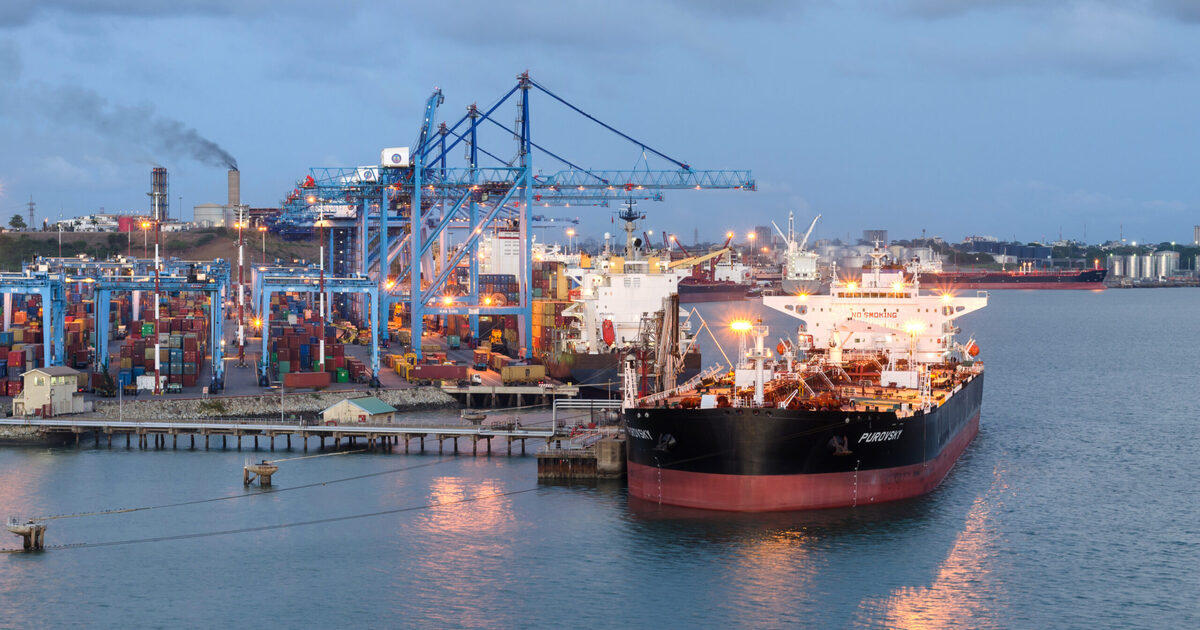
ABL’s emiTr platform will be used to visualize baseline energy and emissions data for the port of Mombasa and, if possible, for other Kenyan ports. The emiTr platform is a digital emissions tracking and analysis tool for the maritime and energy sectors.
The energy and emissions baseline will be used to inform strategic advice to decision-makers, supporting the development of robust and adaptive energy efficiency and decarbonization strategies. This advice accounts for deep sectoral uncertainties—such as regulatory frameworks, energy prices, infrastructure development, and the maturity and cost of energy-efficiency technologies—while prioritizing low-regret actions that can be implemented early.
“With its strategic position along the Indian Ocean and major gateways such as the Port of Mombasa and the new Port of Lamu, Kenya plays a central role in regional trade and maritime transport. At the same time, international expectations on cleaner and more efficient maritime operations are increasing, with the IMO encouraging member states to prepare national approaches for improving energy performance and reducing emissions. We look forward to assisting Kenyan authorities with identifying their roadmap,” added Stefano Scarpa.