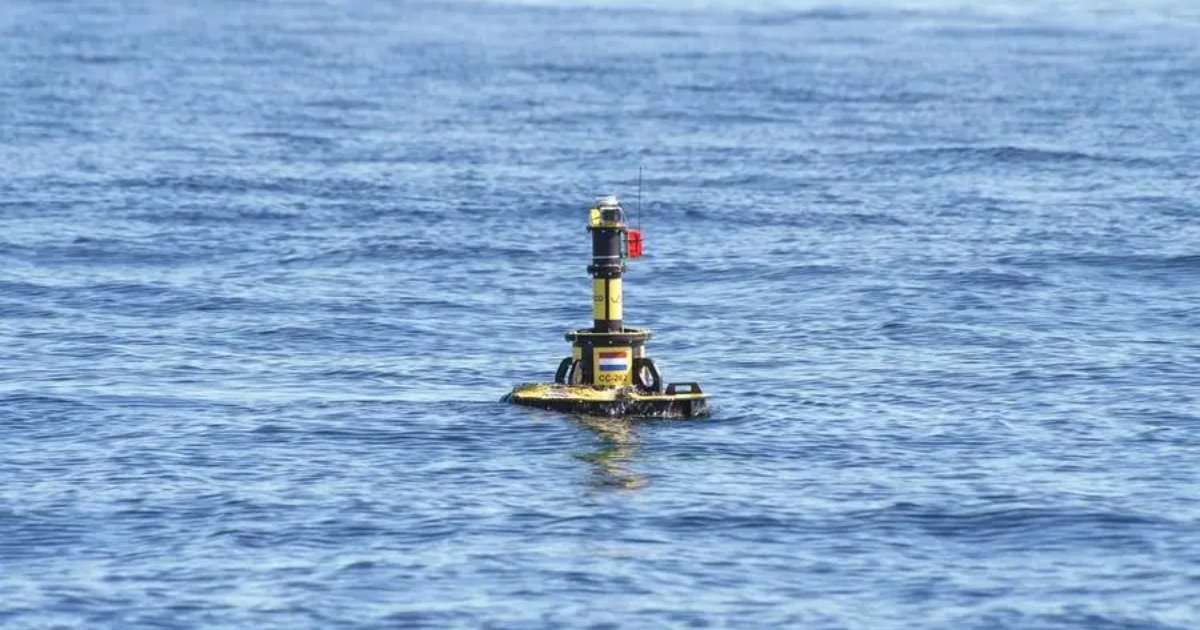
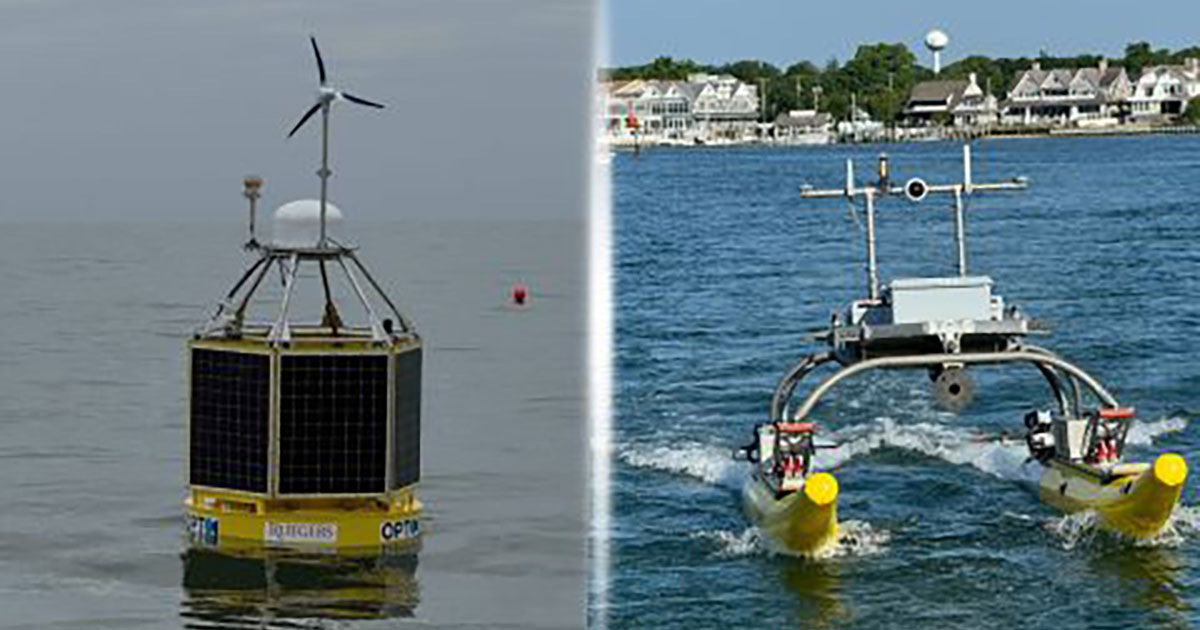
The Rutgers project, supported by the New Jersey Economic Development Authority, is now fully installed and operational. The PowerBuoy replaces a legacy ocean monitoring system that relied on fixed seabed cables, providing continuous offshore power and communications without permanent infrastructure. The system will support ongoing ocean research, environmental monitoring, and integration of surface and subsea sensors.
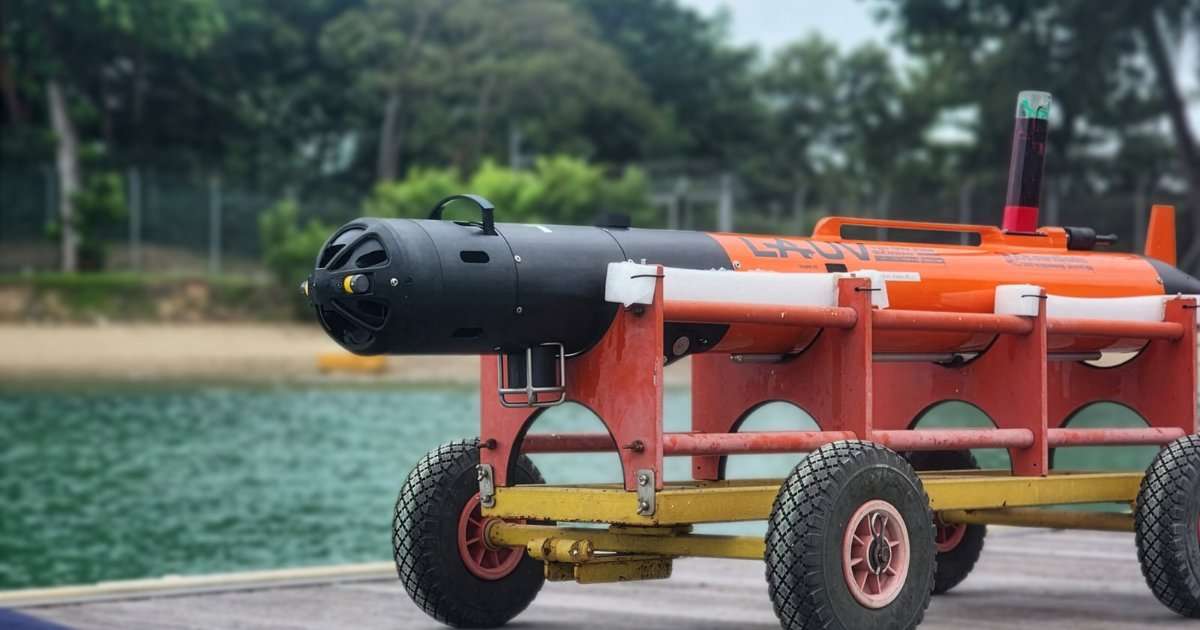
The Stevens Institute of Technology order represents an additional engagement within the academic research market, a market characterized by multi-phase programs, recurring funding cycles, and follow-on deployment opportunities, and reflects continued demand for OPT’s autonomous maritime solutions. The maritime drone will support advanced marine research and development initiatives and is currently in production.
Philipp Stratmann, Chief Executive Officer of OPT, commented, “The Rutgers deployment reflects our continued focus on converting awarded projects into operational systems and revenue. At the same time, the new order from Stevens demonstrates the repeatability of our offerings within the advanced autonomy and sensor community. We are building a growing base of customers that require ongoing deployments, upgrades, and support. With both Rutgers University and Stevens Institute of Technology based in New Jersey, we are proud to continue our active collaboration within the state.”
Unlike traditional subsea cable systems that require complex installation and are difficult to modify, the PowerBuoy can be deployed quickly, relocated as needed, and upgraded over time. This flexibility supports both initial deployments and follow-on work, including system expansion, sensor integration, and long-term service.