Power that keeps going when the sun goes down
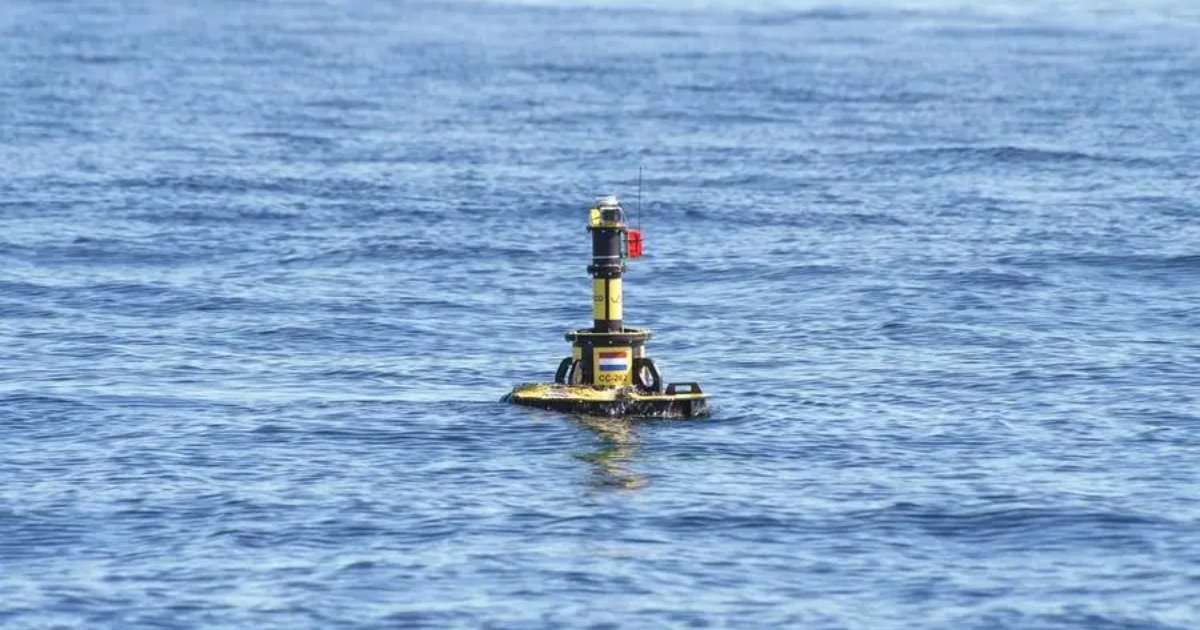
Every sensor, communication node, and uncrewed system at sea shares one limit: sooner or later the battery or fuel tank runs dry. Someone then has to sail out to swap it. Denshi removes that limit by harvesting energy from the waves themselves, day and night.
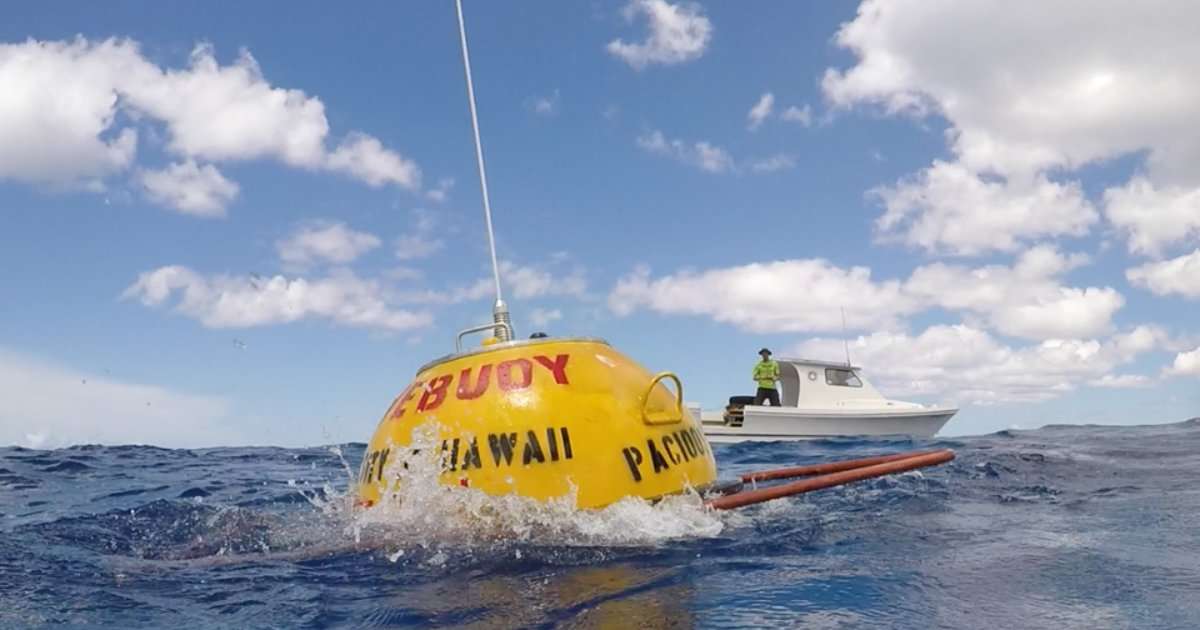
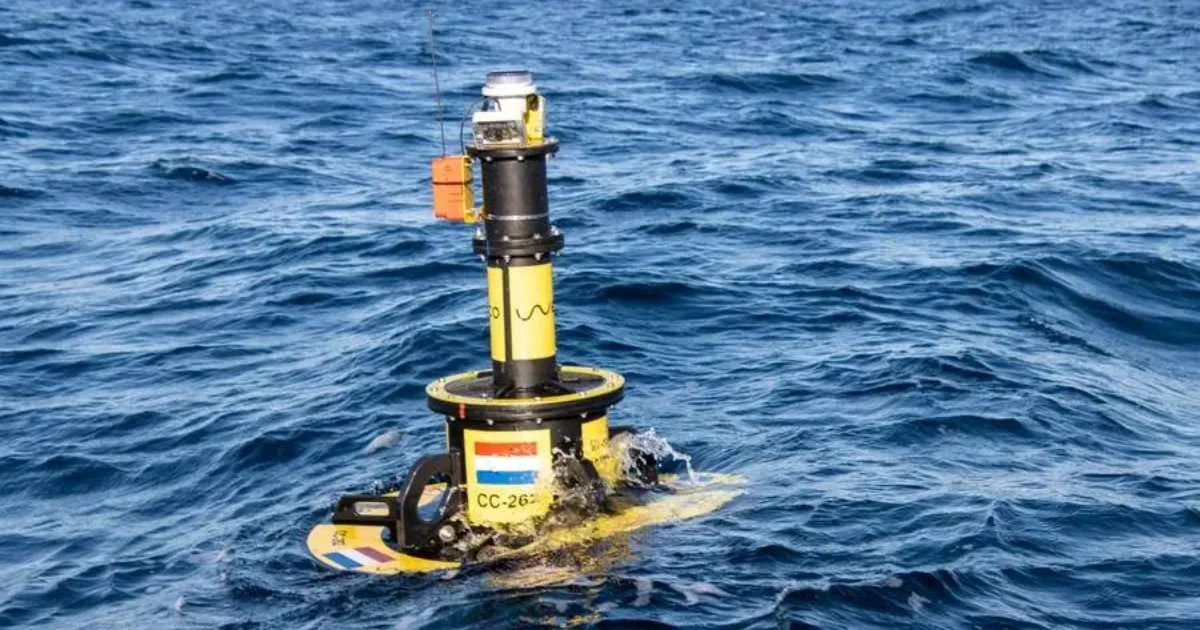
The principle is simple. As Denshi’s floating body moves with the waves, a rack-and-pinion system drives an internal generator, producing a steady baseload even in modest seas from 0.3 m significant wave height. The buoy is about one meter across, made from sturdy marine proven materials, and is designed to ride out storms. It deploys from a small vessel on a single-point mooring, with no special installation vessel needed.
On board, Denshi carries a battery, compute, and LTE/4G/5G communications, with other links available as add-ons. That makes it more than a power source: it is a power and communications platform for whatever payload is integrated.
About REPMUS
REPMUS (Robotic Experimentation and Prototyping with Maritime Unmanned Systems) is the world’s largest exercise for maritime robotics and uncrewed systems. The 16th edition ran from August 31 to September 25, 2026 around Tróia and Sesimbra, Portugal. It brought together more than 1,500 participants from 36 navies, over 60 companies, 13 universities, and five NATO bodies.
The exercise is organized by the Portuguese Navy, NATO’s Centre for Maritime Research and Experimentation, the NATO Joint Capability Group on Maritime Unmanned Systems, and the European Defence Agency. Rather than a tactical drill, REPMUS is a proving ground: prototypes are tested alongside crewed and uncrewed assets from allied nations, at sea, above it, and below it.
Persistent Monitoring, New Capabilities
At REPMUS, Weco showed what continuous offshore power at small scale makes possible. Sensors can stay on station for as long as the mission needs, not limited by the battery size. Deployed in numbers, Denshi nodes can form a mesh network: a persistent, low-logistics sensing and communications layer for protecting critical underwater infrastructure such as subsea cables and pipelines, and for detecting uncrewed underwater vehicles.
Weco’s participation in REPMUS 2026 was made possible with the support of the Dutch Ministry of Defense, which is exploring the future possibilities of submarine detection in the underwater domain.
“REPMUS let us put Denshi to work next to the systems it is built to serve. Every uncrewed asset at sea is ultimately limited by its power. Showing that a small buoy can keep sensors and comms running on wave power alone, in a real naval exercise and conditions, is a big step. As well as working alongside the Royal Dutch Navy, TNO, and other partners has been a great experience,” said Cas van de Voort, co-founder of Weco.
What’s Next
Weco will use the lessons from REPMUS to further develop Denshi for both defense and civil users, from maritime security to ocean scientists who need long-term autonomous monitoring.