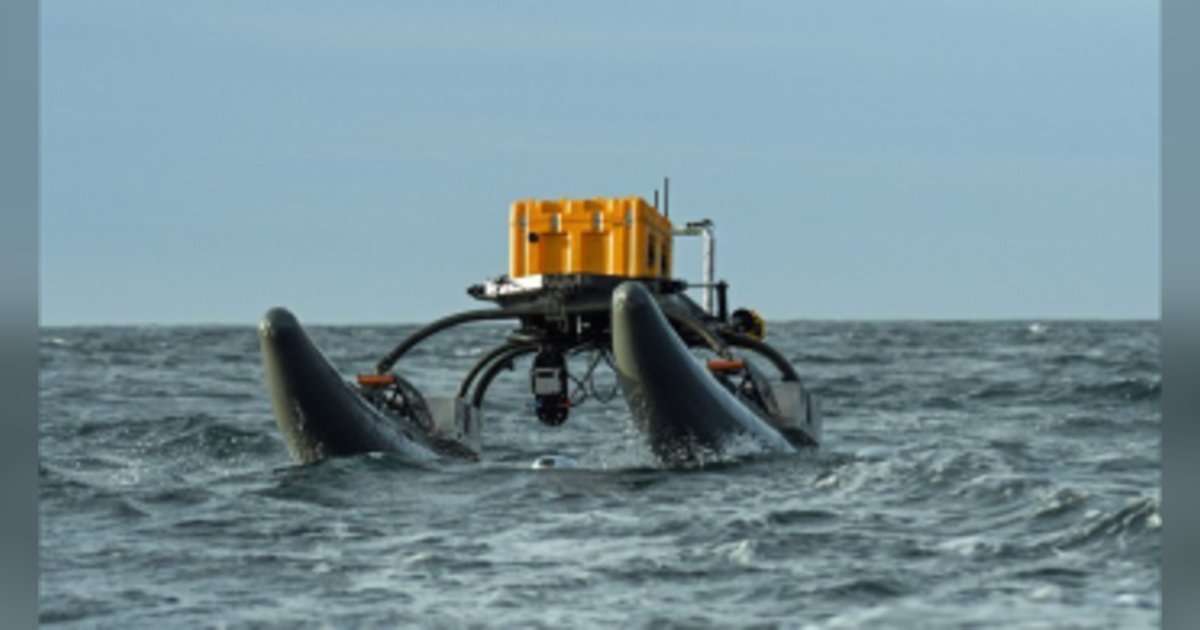
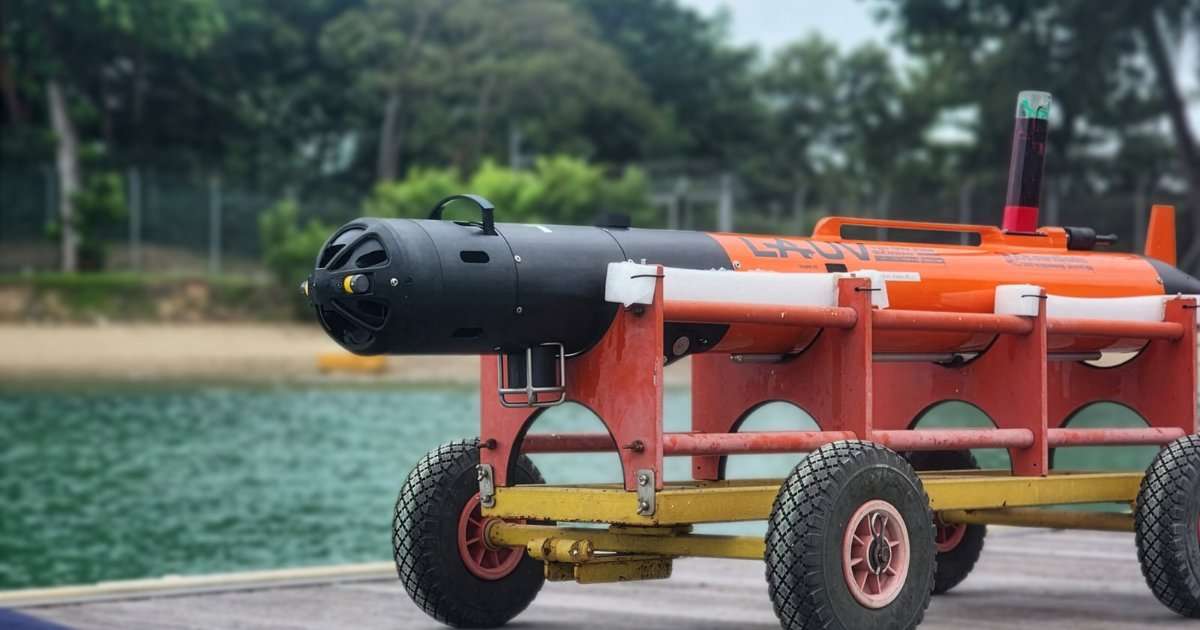
The LAUV runs on the Dune software ecosystem, which had no existing integration with Subnero modems. ARL built a small open-source software bridge that runs directly on the modems, linking Subnero’s UnetStack network stack to Dune’s standard modem interface. On the vehicle side, the integration needed only a few lines of configuration. OceanScan MST handled the mechanical and electrical fit, and the full integration and validation took less than a week.
ARL has since operated the vehicle and its acoustic link for more than a year in Singapore’s waters. These are among the most demanding environments in the world for underwater acoustic communication, with intense snapping-shrimp noise, strong currents, and constant bubble clouds from passing ships. Throughout that period, the link has delivered reliable command and control and acoustic ranging.
“We simply mapped what UnetStack already exposes to what the Dune software already expects, and the console just saw the vehicle,” said Rajat of ARL, NUS. “On our side, it was a straightforward mechanical and electrical fit, simpler than similar integrations we have carried out with other modems,” said Luis Madureira of OceanScan MST.
Availability: OceanScan MST can now fit Subnero modems for any LAUV customer. The integration code, including a two-node simulator and self-test, is open source at https://www.google.com/url?q=http://github.com/org-arl/unet-dune&source=gmail&ust=1791563578639000&sa=E. Subnero’s latest Gen4X modems come in a smaller form factor, making new fits even more compact.
Full case study: https://subnero.com/user-stories/drop-in-integration-lauv/