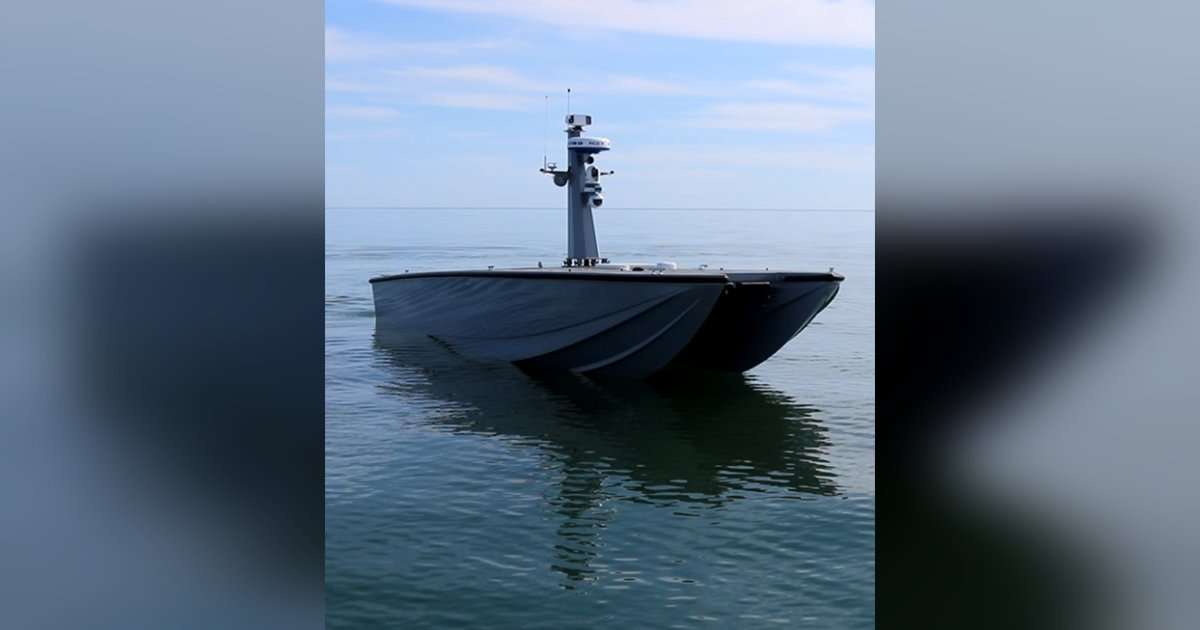
SEA.AI, a pioneer in maritime machine vision since 2018, announced the integration of its technology on MARTAC unmanned surface vessels. MARTAC, a Florida-based manufacturer of high-performance autonomous maritime platforms proven across thousands of hours of operational time on water, has selected SEA.AI’s system as part of its sensor integration architecture, adding autonomous visual intelligence to its fleet across ISR, security, and patrol mission profiles.
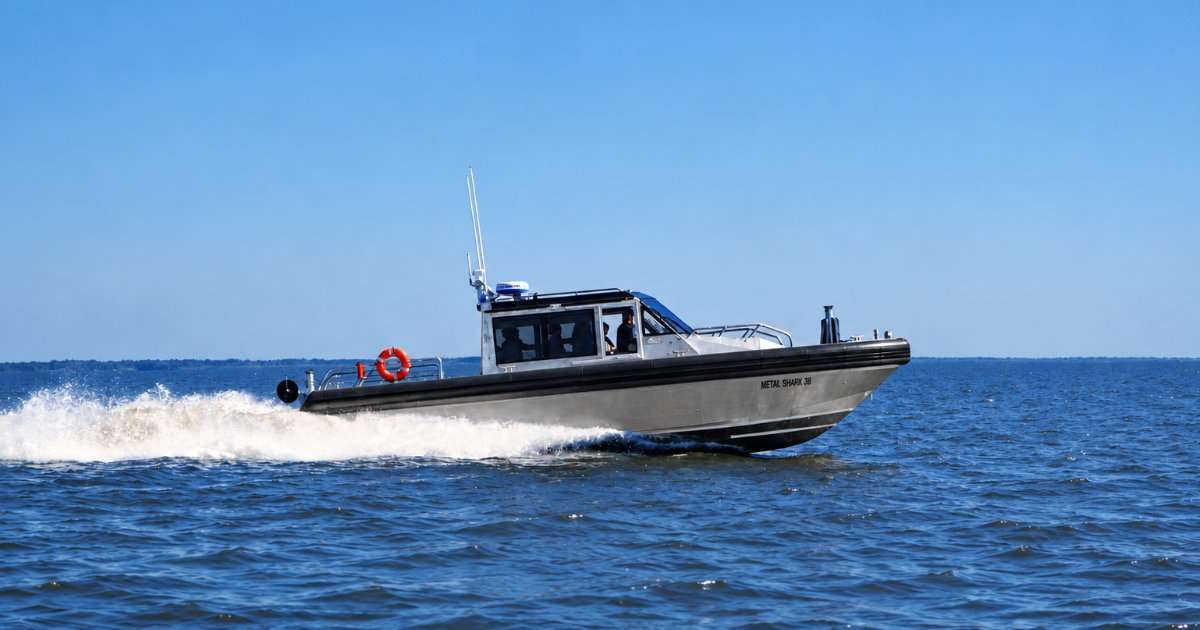
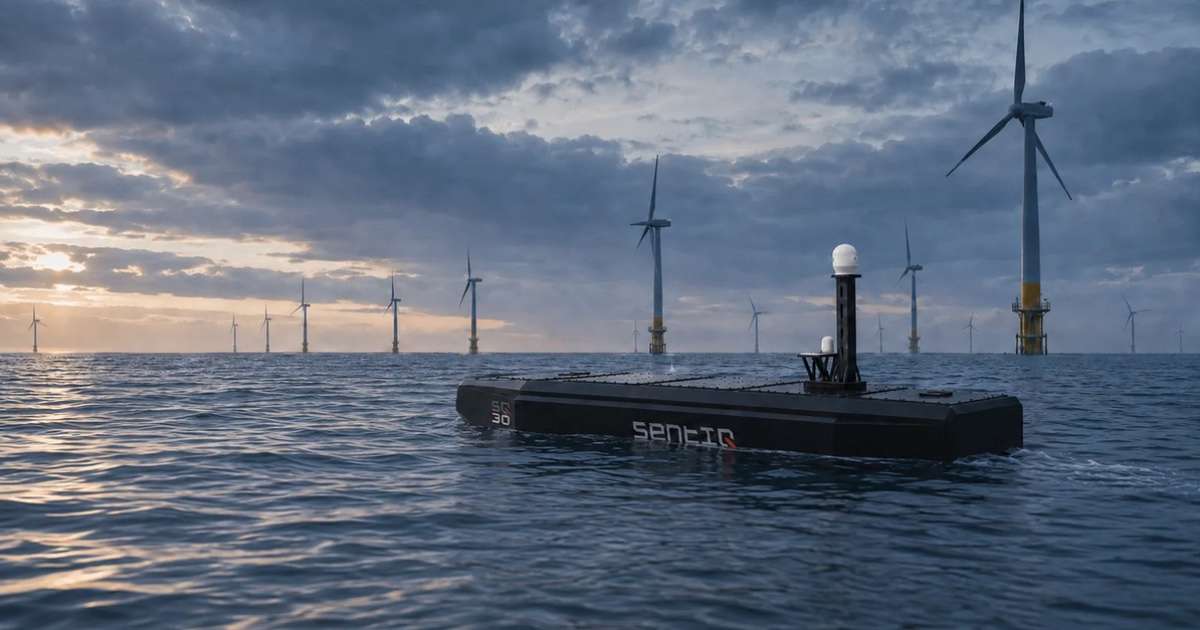
MARTAC’s fleet of scalable, battle-hardened autonomous USV platforms includes the MANTAS™ T12, Devil Ray™ T18, Muskie™ M18, Devil Ray™ T24, and Devil Ray™ T38, providing a suite of mid-range USV solutions that combine unprecedented stability, speed, and coverage to meet real-world mission demands.
What Machine Vision Adds
Maritime domain awareness has a well-documented gap. Radar resolves position and radar cross-section. AIS is voluntary, routinely manipulated, and absent on any platform that chooses not to broadcast. These are known limitations. What has made them operationally consequential in today’s grey zone environment is the proliferation of threats that are specifically designed to exploit them: dark vessels, spoofed identities, and fast-attack assets indistinguishable from surrounding traffic until the moment of action.
Electro-optical and thermal sensors have always been part of the answer. The problem has not been the optics. It has been what happens after the image is captured. A conventional camera system on an autonomous platform produces a video feed. Without a human analyst watching that feed continuously, it produces nothing operationally useful at all.
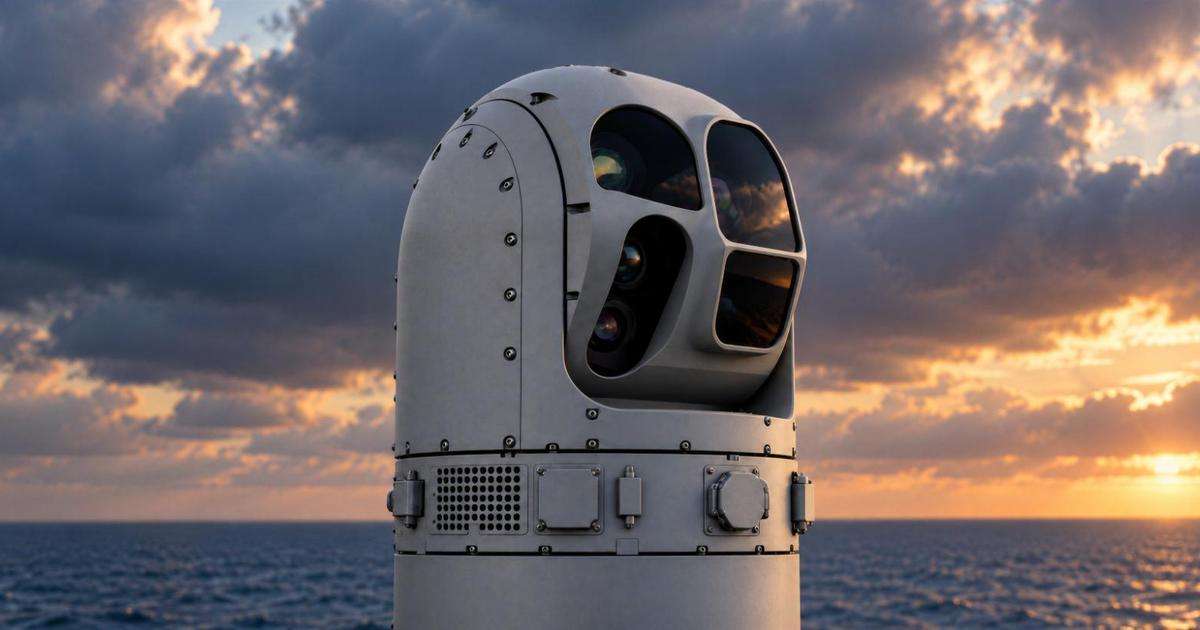
SEA.AI’s system resolves this. It is an electro-optical and thermal platform with AI inference operating at the sensor level, classifying contacts in real time without requiring human review of imagery. Vessel or object type, heading, and proximity are processed and output as actionable information, not raw footage. On an unmanned platform operating beyond visual range of its operators, that distinction is the difference between genuine situational awareness and a data stream nobody has time to interpret.
The operational context makes this concrete. In May 2026, MARTAC’s T38 Devil Ray completed a record eight-day fully autonomous mission off the coast of California, navigating multiple real surface contacts in open-ocean conditions, without crew or escort, at ranges exceeding 400 nautical miles from shore. A platform operating at that distance, in Sea State 5 conditions, cannot rely on a remote operator to review imagery. It needs to detect and understand its environment independently. That is precisely the capability SEA.AI brings.
“We built SEA.AI in 2018 around a conviction that the camera alone was never going to be enough at sea. The intelligence had to be in the system, not in a person watching a screen somewhere. That requirement has only become more urgent as autonomous platforms move from trials into operational deployment,” said Marcus Warrelmann, CEO, SEA.AIEA.AI.
“Operators have sensors, platforms, and more data than their teams can process. What we add to a MARTAC vessel is not another feed to monitor, it is a system that watches, understands, and reports. This partnership with MARTAC puts that capability where it matters: on proven platforms, in real missions,” said Diogo Arreda, Managing Director, SEA.AI Americas.
“Our platforms are built to carry whatever sensors the mission requires, and we evaluate every integration on one basis: does it make the vessel more operationally capable? SEA.AI’s machine vision, that classifies contacts autonomously and in real time, is a direct solution for closing a real gap. That is why it is on our platforms,” said Jim Harvey, Chief Technology Officer, MARTAC.