People watching these market moves are beginning to learn about how complicated the energy market is. It isn’t just oil prices that drive market reactions. Refinery attacks or missiles hitting tankers can do the same. Even attacks on bulk ships hauling grain from the Black Sea region can move oil and stock markets.
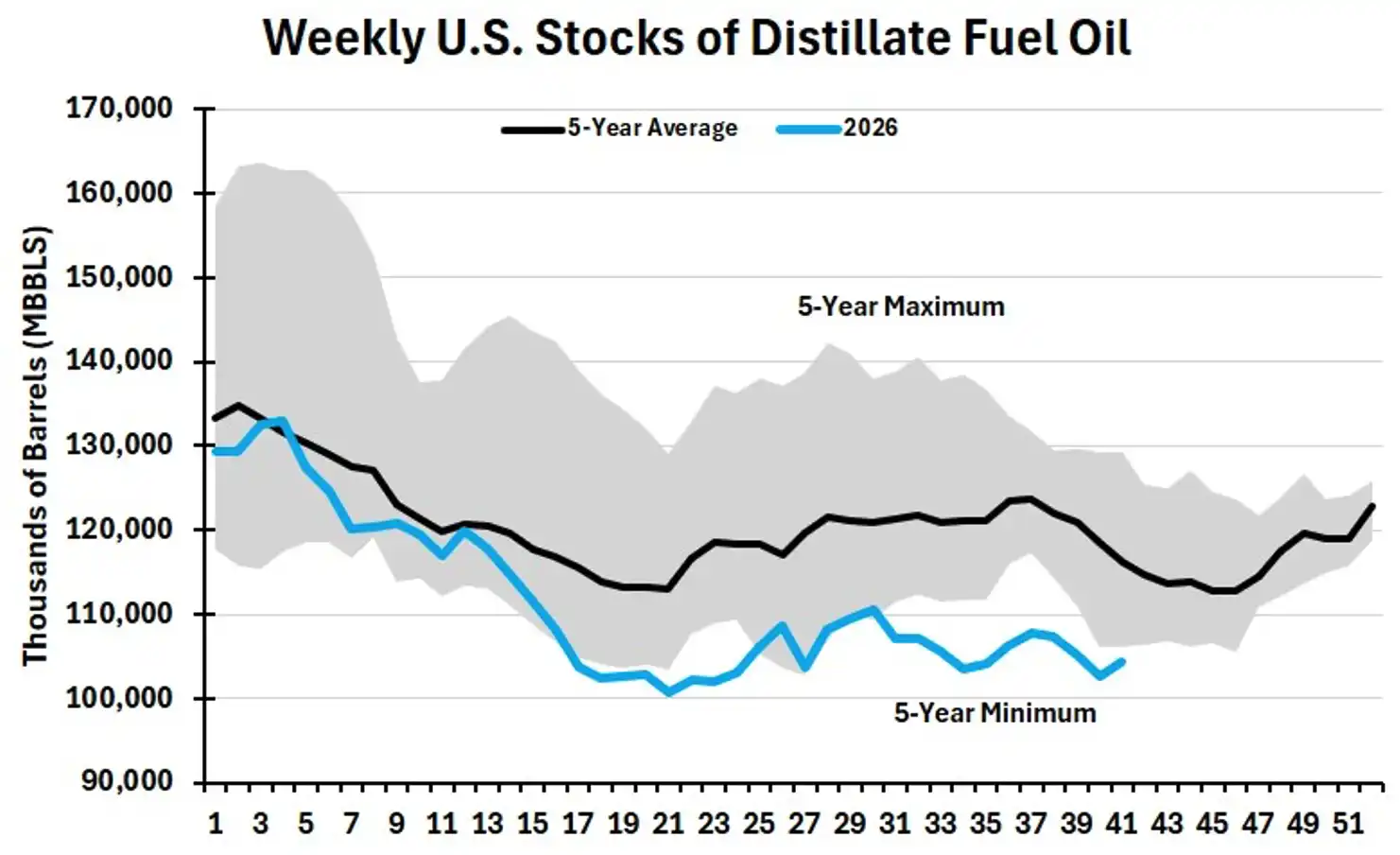
Energy makes the economy work. A lack of refining capacity from accidents, closures, or attacks has driven up diesel pump prices. The world’s economy depends on diesel for manufacturing, transportation, and shipping. If fuel shortages or high prices disrupt any of these sectors, the rest of the economy catches a cold.
US Energy Secretary Chris Wright has suggested restarting mothballed refineries to overcome the diesel shortage. That is unlikely for several reasons, especially because owners see current high pump prices as temporary, and by the time these facilities are restaffed and refueled, they may return to unprofitable status.
The daily volume of petroleum products exiting the Strait of Hormuz has now surpassed what left before the Iran war started. Expanded alternative exit routes and US Navy escorts have enabled this recovery.
The US blockade of Iran’s oil exports has reached a critical stage. No ships have taken crude from Kharg Island to the global market, or at least to Iran’s friendly buyers, for months. All the oil loaded into tankers that left the Persian Gulf during the earlier lull in fighting has now been sold. Iran’s oil income has fallen from a stream to a non-existent trickle. Will the lack of income embolden Iran, or bring it to the peace table?
After November 3rd’s interim elections, President Trump has indicated a willingness to resume bombing Iran. He has moved more military assets to the Middle East to wage a more intense battle. We may be reaching a point of intense warfare or a resolution satisfactory to the US and its allies.
The past eight months have shown companies dependent on petroleum products that they need to widen and diversify their supply lines. Governments relying on oil and gas exports must develop alternative routes. Oil and gas companies have learned that reserves and production outside of oil chokepoints are more valuable. As with every oil crisis throughout history, the energy world always changes. The new energy world forces governments, companies, and the public to adjust. The energy world of 2027 will look markedly different from 2026. We do not know exactly how, but it will not be like the energy world of the recent past.
Natural Gas
Warmer weather has sustained natural gas consumption, but healthy production has ensured sufficient volumes to meet demand, inject into storage, and support LNG exports. Weekly storage levels are tracking the 5-year average but trail last year’s level and the 5-year high. This pattern has held since the end of July and reflects hotter temperatures across the US than in prior years.
The most recent Energy Information Administration data for July show that total gas extracted at the wellhead reached a record 137 billion cubic feet per day (Bcf/d). This represented the first monthly output record in 2026, following five monthly records set in 2025. The increase came from more wells in West Texas and New Mexico, home to the Permian Basin.
Major oil companies such as ExxonMobil and Chevron, along with numerous large independent producers, have targeted drilling in this basin. Most Permian Basin gas is associated, meaning it comes out of the well with crude oil. The early start-up of the Hugh Brinson Pipeline helped boost production. The interstate pipeline increased the basin’s takeaway capacity. In this case, natural gas volumes are heading to Gulf Coast liquefied natural gas export terminals, supporting their growing output.
Other measures of the natural gas market’s health include marketed production; gross well withdrawals minus gas used for repressuring, vented and flared gas, and nonhydrocarbon gases removed. Another measure is dry gas production, consumer-grade natural gas excluding natural gas plant liquids. Both measures also set records in July.
LNG remains the most talked-about US gas market. In the latest weekly data, 35 gas carriers took cargoes from US export terminals. Many cargoes are headed to Asia, but Europe’s low gas storage situation and extremely high gas prices have buyers bidding for US cargoes. LNG volumes shipped rose 4 Bcf week over week, bringing the latest week’s shipments to 135 Bcf. Each gas carrier is carrying an average of 3.86 Bcf of gas. Because the number of gas carriers did not increase week over week, the latest week used more large carriers. This matters because LNG exports can increase without ship traffic growing.
The most interesting LNG news was QatarEnergy contracting cargoes from US terminals in which it does not have an ownership interest. The company announced two long-term agreements with Cheniere Energy for a combined 4 million tons per year of LNG. The volumes will come from Louisiana’s Sabine Pass and Texas’ Corpus Christi terminals. Exports will begin in early 2030 and run through the end of 2054. The gas will be purchased free-on-board at a price indexed to the US domestic Henry Hub Index plus a fixed fee. The volumes bought by the world’s second-largest LNG exporter, and, importantly, priced off US natural gas prices rather than international oil prices, tell us who is driving the global LNG market.
WAR NEWS DRIVES CRUDE OIL PRICES

WEATHER REMAINS KEY TO NATURAL GAS MARKET


This feature appeared in ON&T Magazine’s 2026 November Edition, The Drone Revolution, to read more access the magazine here.