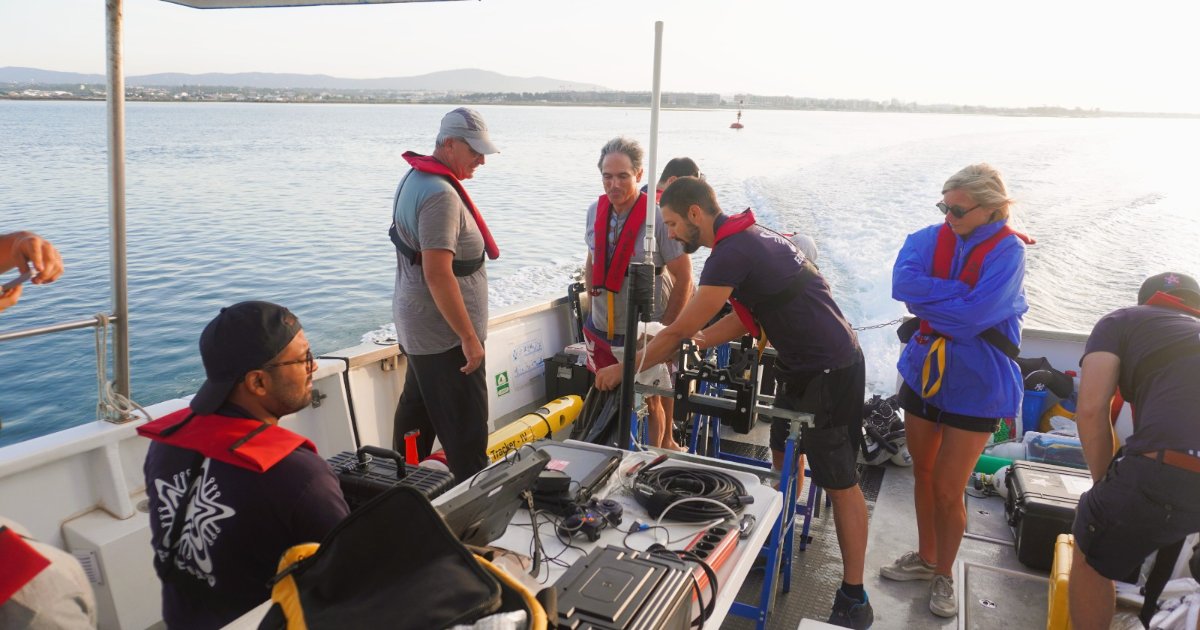
The mission aimed to collect valuable data to assess the wreck’s preservation status and better understand the evolution of the surrounding marine ecosystem.
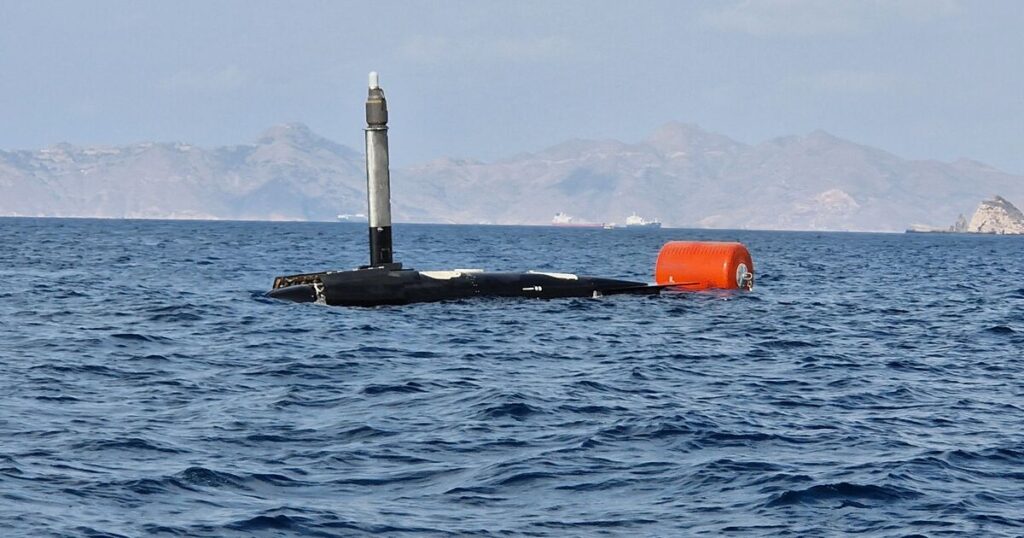
During the operations, EdgeLab tested its hyperspectral camera under real mission conditions for the first time, integrated onboard the U_Tracker IV autonomous underwater vehicle (AUV). By capturing data across multiple wavelengths, from the visible spectrum to the near-infrared, the camera can reveal information on material composition and degradation processes that conventional imaging cannot detect—a capability with strong potential for the non-invasive analysis and conservation of underwater archaeological artifacts. The trial successfully demonstrated payload integration and reliable data acquisition in a real underwater environment, with the vehicle operating with stability and precision throughout, ensuring full maneuverability, effective system management, and hovering capability above the area of interest.
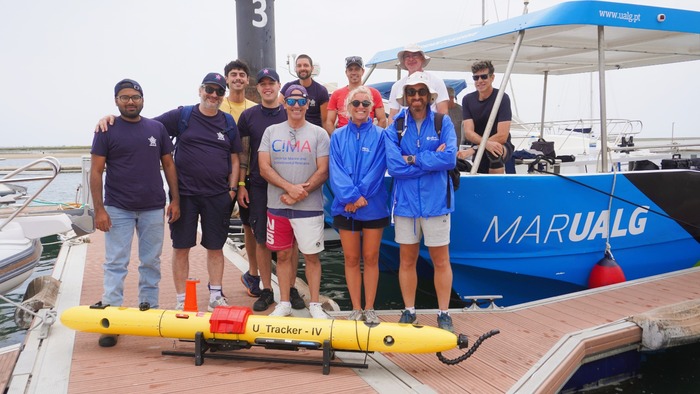
This mission marks another step forward in advanced underwater heritage monitoring, combining marine robotics, innovative sensing technologies, and scientific research.