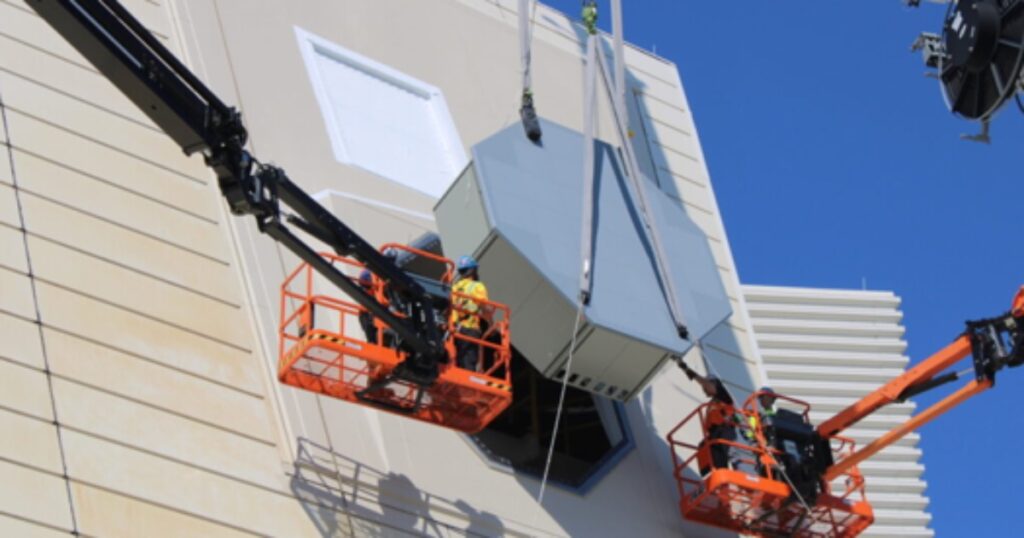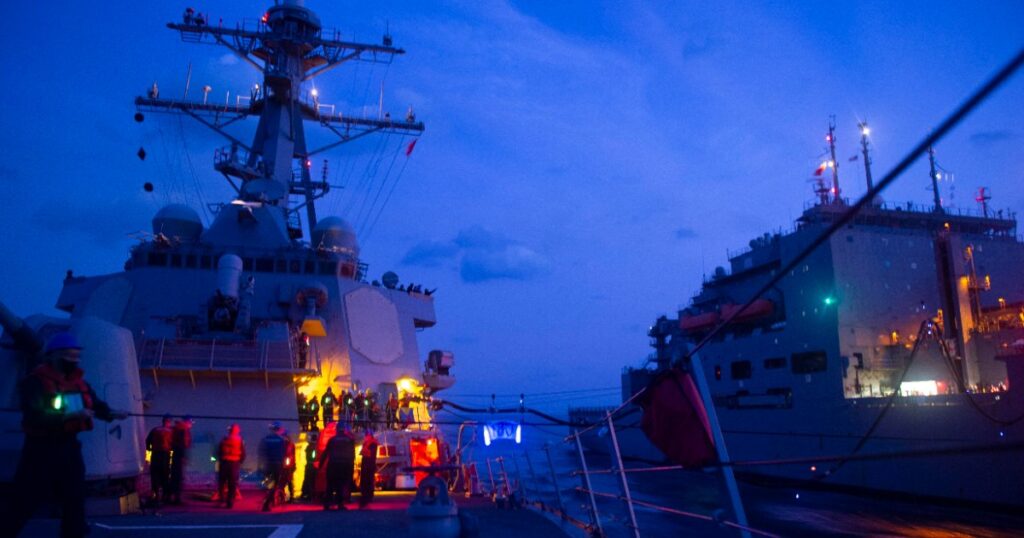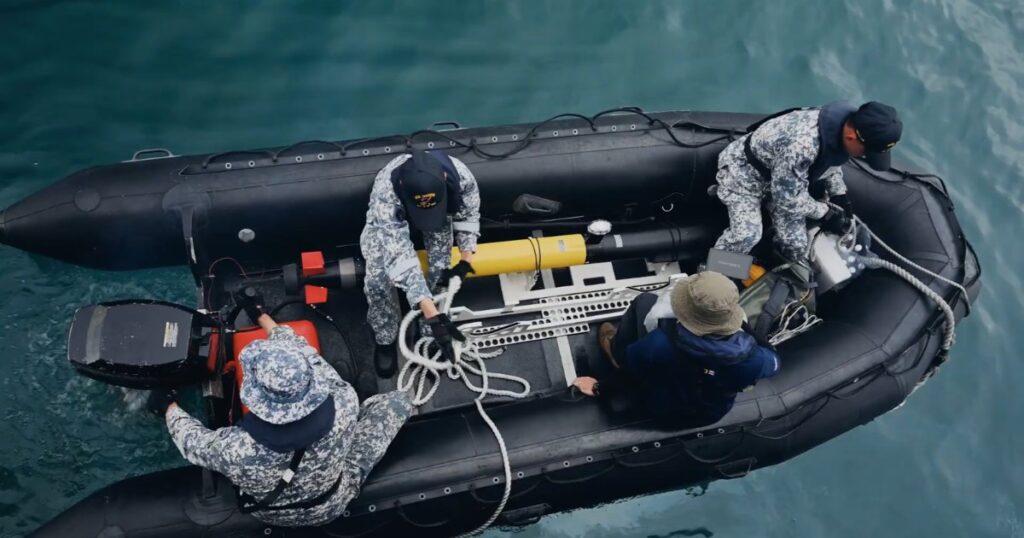
CAMRE’s experiment ties together artificial intelligence, unmanned systems, and advanced manufacturing to sustain the warfighter at the tactical edge. “RIMPAC 2026 is the first time we have tied together all of these new and emerging technologies to deliver sustainment at speed not just to the joint force, but to multinational partners as well,” said Chris Curran, the CAMRE Program Manager. “This distributed manufacturing approach allows NPS students and faculty to combine slack capacity across military and industry with the best AI tools and unmanned systems to truly operationalize advanced manufacturing.”
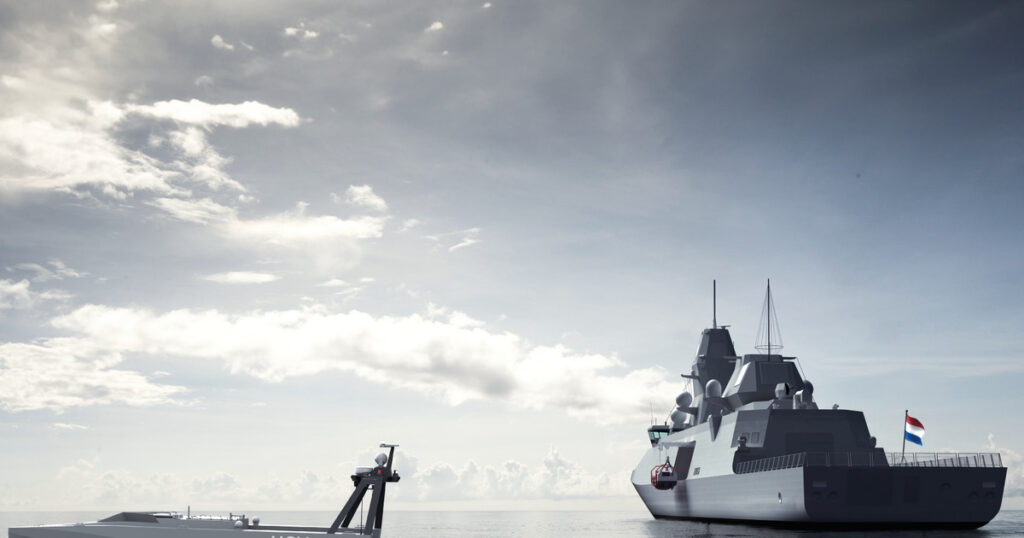
At RIMPAC, Havoc will demonstrate how autonomous systems can work together across air and maritime missions, helping operators coordinate vehicles and make decisions more effectively in complex environments. During the exercise, Havoc’s autonomous surface vessels will autonomously resupply US and allied nation surface vessels in a first-of-its-kind multinational autonomous logistics operation. Havoc’s participation follows its involvement in Balikatan 2026, one of the Indo-Pacific’s largest multinational military exercises, which validated its collaborative autonomy alongside allied forces in demanding operational conditions that cannot be fully replicated through laboratory testing or simulation. The inclusion of Havoc into CAMRE’s RIMPAC efforts was made possible by FLEETWERX, a Partnership Intermediary with the Naval Postgraduate School that brings together the best of industry and government to take technology out of the lab and into the field.
“RIMPAC represents one of the most important operational environments in the world for validating autonomous capabilities alongside allied and partner forces, and we are excited to be supporting this broader mission through the Naval Postgraduate School’s Consortium for Advanced Manufacturing Research and Education (CAMRE) program,” said Paul Lwin, co-founder and CEO of Havoc. “The future of maritime operations depends on the ability to coordinate large numbers of autonomous systems across vast distances and contested environments. Exercises like RIMPAC and programs like CAMRE allow us to demonstrate that collaborative autonomy is not a future concept, but a capability operating today.”
“RIMPAC gives us the opportunity to evaluate emerging technologies alongside the fleet in realistic operating conditions,” said Morgan Bower, Hub Director at FLEETWERX. “The capabilities our industry partners are bringing to the fight could help military forces coordinate more effectively, adapt more quickly, and expand operational flexibility. Exercises like RIMPAC help us understand how these technologies can support real-world missions.”
Havoc’s software-defined hardware approach enables a single operator to supervise and direct large teams of autonomous assets across sea, air, and land domains. The company’s platform-agnostic autonomy stack powers military and commercial-grade systems that can sense, decide, and act together while adapting to changing mission requirements and communications conditions. The company has accumulated more than 25,000 hours of autonomous operations and testing, built and deployed more than 100 autonomous vessels, and delivered autonomous systems supporting missions across the United States, Europe, and the Indo-Pacific.