“The Navy’s mission demands systems that can interpret uncertainty, reason at the edge, and provide operators of UxVs with assurance of their mission in intermittent or denied communications environments,” said Josh Knight, COO and Co-Founder of Integer. “The work we’re doing with USM is about redefining how the fleet leverages data, physics, and AI to create persistent, intelligent capability in the undersea domain. We’re committed to pushing the industry forward and delivering technologies that will shape how autonomous platforms operate for decades to come.”
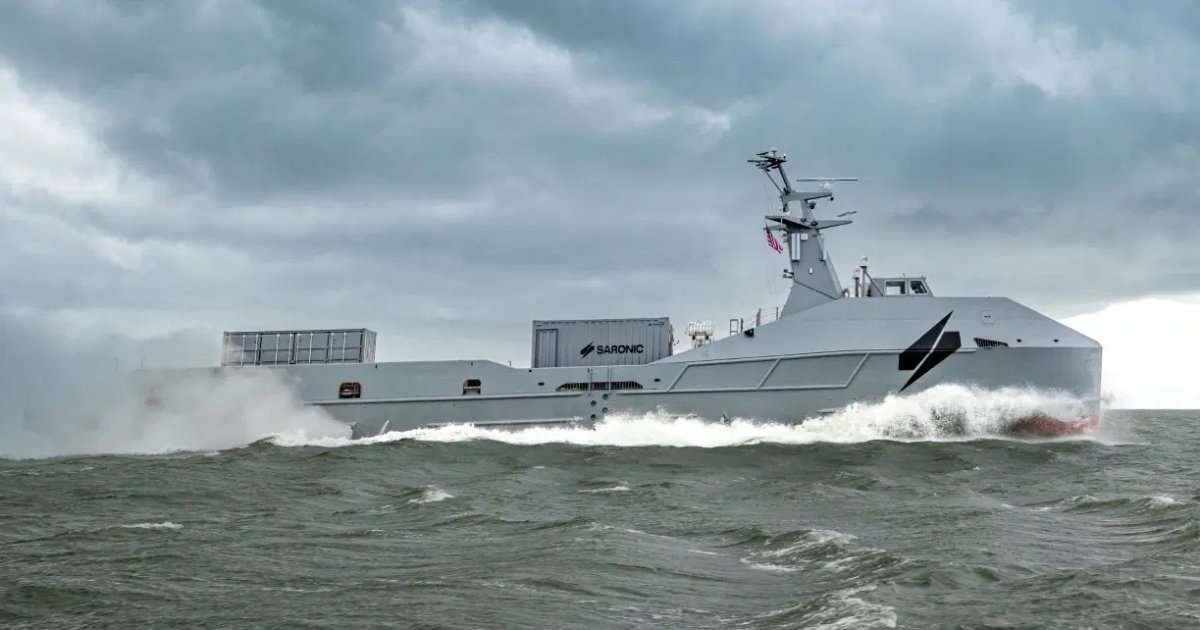
This option exercise is part of the previously announced program and expands the Navy’s ongoing investment in the joint Integer–USM effort, bringing the total cumulative contract value to $24.8 million, and supports the development of novel software to help the US Navy maintain maritime dominance and increase its seabed warfare capabilities. The modification provides continuing research and development of an operational decision support tool for autonomous undersea missions that will allow unmanned vessels to adapt more effectively to changing ocean conditions and operate for longer periods of time with minimal human intervention.
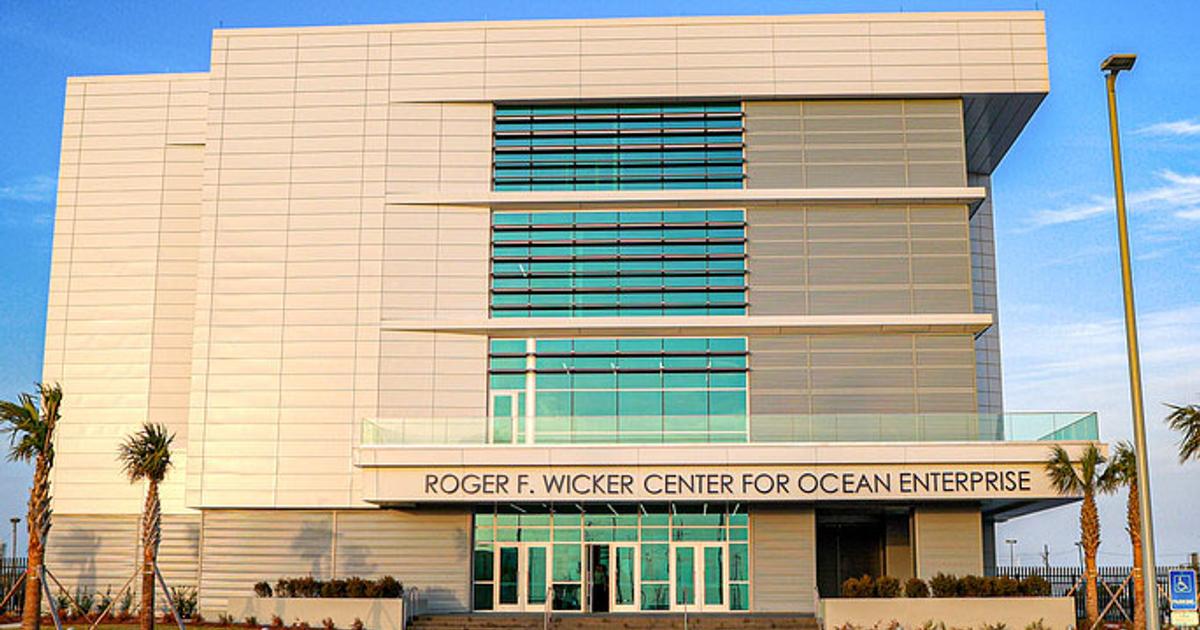
The program combines USM’s strengths in ocean engineering and oceanography with Integer’s expertise in creating predictive software models for unmanned platforms. Integer’s recent expansion in April at USM’s Roger F. Wicker Center for Ocean Enterprise provides direct ocean access and close collaboration between engineers and scientists, enabling rapid prototyping and in situ testing in the US Gulf.
“Advancing to this next phase highlights The University of Southern Mississippi’s leadership in ocean research and blue economy innovation,” said Kelly Lucas, Ph.D., Vice President for Research at USM. “By partnering with Integer Technologies, we are bringing high skill jobs to the Gulf Coast and strengthening a technology ecosystem that attracts new partners and investment. This program is a clear example of how university industry collaboration accelerates scientific advancement while expanding economic opportunity across Mississippi.”