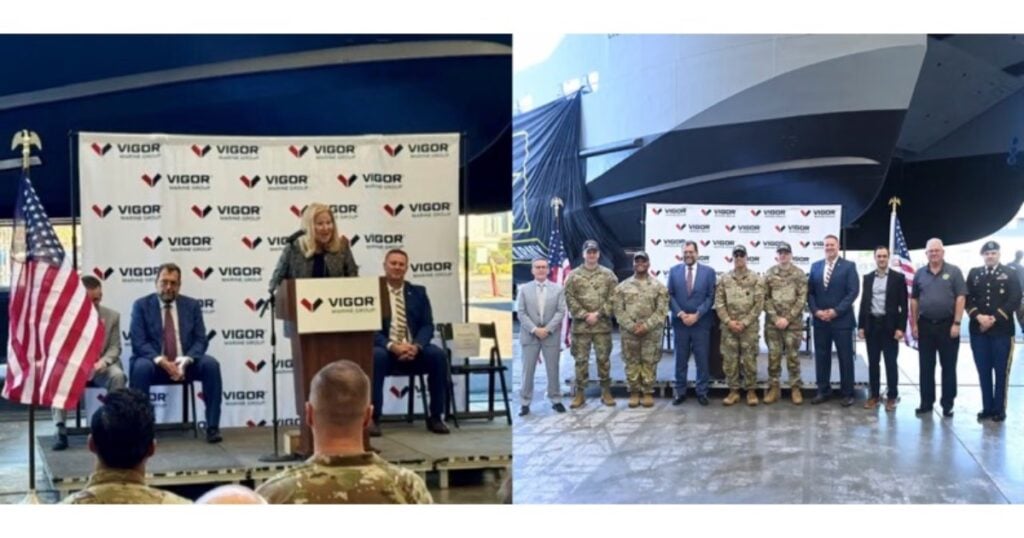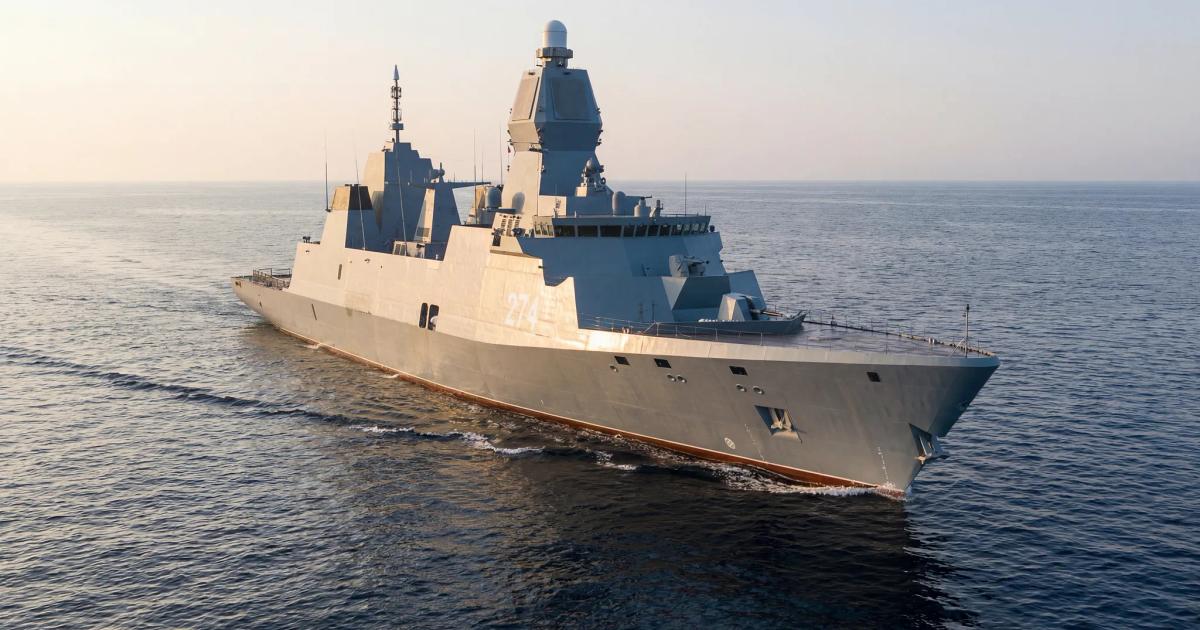
The event highlighted the momentum behind this complex first-of-class build for the Polish Navy. Poland is constructing the frigates domestically through the PGZ–MIECZNIK consortium, with partners including Thales, Babcock, and MBDA.
With rapid developments across all military domains, industrial collaboration is more important than ever.
Strengthening European Defense Alliances
International economic partnerships help ensure geopolitical stability—something Europe learned post-WWII through the European Coal and Steel Community, which later became the European Union. Today, industrial ties remain essential to strengthening alliances and military capability. The recent UK–Poland defense treaty underlines that commitment, as Poland ramps up defense spending to the highest NATO GDP share, expanding its forces and capabilities by drawing on the expertise of its allies.
The MIECZNIK Programme
Launched in 2021, the MIECZNIK program for the Polish Navy lies at the heart of military and industrial collaboration initiated by the country. The program covers the construction of three advanced multi-purpose frigates, built through a partnership between Poland, the United Kingdom, and continental Europe.
Poland chose not to outsource the production of this capability. The frigates are being built in the Gdynia shipyard in Poland, led by the PGZ–MIECZNIK consortium, with international partners including Thales, Babcock, and MBDA contributing proven designs, systems, and know-how. This approach helps Poland compress timelines, manage risk, and develop and upskill the local workforce—building the skills and industrial depth needed to own and sustain the capability long term.
Interoperability as a Strategic Choice
The UK defense industry, supported by sustained government-to-government collaboration, proposed the Arrowhead 140 design—an export-ready, multi-mission frigate developed by Babcock and adapted to Polish requirements. It provides a mature, flexible foundation that can be transferred, tailored, and built locally, enabling structured technical exchange and long-term industrial partnerships.
The Miecznik frigates will strengthen national defense and maritime security in the Baltic Sea and support NATO’s collective defense. NATO-proven architectures and mission systems will enable seamless operational collaboration, delivering shared situational awareness, faster decision-making, and greater mission effectiveness.
“The Miecznik program is a fantastic example of how defense cooperation between allies can deliver real capability. It brings together expertise from the United Kingdom and Poland to help address today’s evolving security challenges,” said Lord Coaker, UK Minister of State for Defence.
A Blueprint for International Defense Strategy
As European nations invest in sovereignty—balancing local priorities with international partnerships—Poland’s MIECZNIK approach offers a compelling model. Building on foundational collaboration between the UK, the Netherlands, France, Romania, and Poland, the program demonstrates how trusted allied cooperation and European industrial collaboration can deliver capability while strengthening domestic resilience.
Thales teams across Europe are supporting the delivery of sensors and systems and providing knowledge and technology transfers to Poland, equipping the ships for a broad range of missions. This includes participation in international fleets, which is enabled by the TACTICOS Combat Management System developed by Thales in the Netherlands.
Thales representatives at the event in Gdynia.
Reinforcing Partnership Beyond the Frigate
This wider UK–Poland defense relationship is also reflected in programs such as CAMM-MR, highlighting the fulfillment of the potential of Sea Ceptor (MIECZNIK) and NAREW—that are supporting Polish sovereignty and industry.
“From the outset, MIECZNIK was about more than delivering a world-leading combat system. It was about helping Poland build the skills and industrial depth to own and sustain this capability for the long term. With the support of the UK and Polish governments, we were able to bring proven technology into Poland while working side-by-side with Polish industry to embed that expertise locally,” said Francesco Da Re, Program Director for MIECZNIK at Thales.